Follow Us:
Follow Us:

In August 2025, the United States placed limits on how Ukraine could use the ATACMS missile, barring strikes deep into Russian territory. The decision drew attention to a system that first entered service more than thirty years ago and still carries political weight far beyond its technical role.
Yet at the same time, Ukraine has been unveiling its own long-range strike solutions. President Zelenskyy recently revealed a domestically designed cruise missile called “Flamingo”, capable of reaching targets up to 3,000 kilometers away, and it may enter mass production by February 2026.
One of the more unsettling episodes involving the ATACMS came in Sevastopol, where fragments from a U.S.-supplied missile struck a public beach. An incident in Sevastopol highlighted the risks involved. After an ATACMS missile was intercepted, fragments scattered over a beach area, killing and injuring civilians who had not been part of the fight. So what makes the ATACMS Missile worth another look today?
ATACMS, short for Army Tactical Missile System, carries the designation MGM-140 in the U.S. inventory. It came about in the last years of the Cold War, when the Army was searching for something that could hit targets deeper in enemy territory without having to risk sending in aircraft every time. Lockheed Martin picked up the work, and the missile slowly entered service during the early 1990s.
The purpose was never to replace artillery or cruise missiles, but to fill the gap in between. Standard guns and rockets could only reach so far, and cruise missiles were expensive and scarce. ATACMS gave commanders another tool. It could be fired at runways, command posts, or groups of artillery sitting well behind the front. The range was limited compared with long-range missiles, but it was a noticeable step beyond what traditional artillery offered.
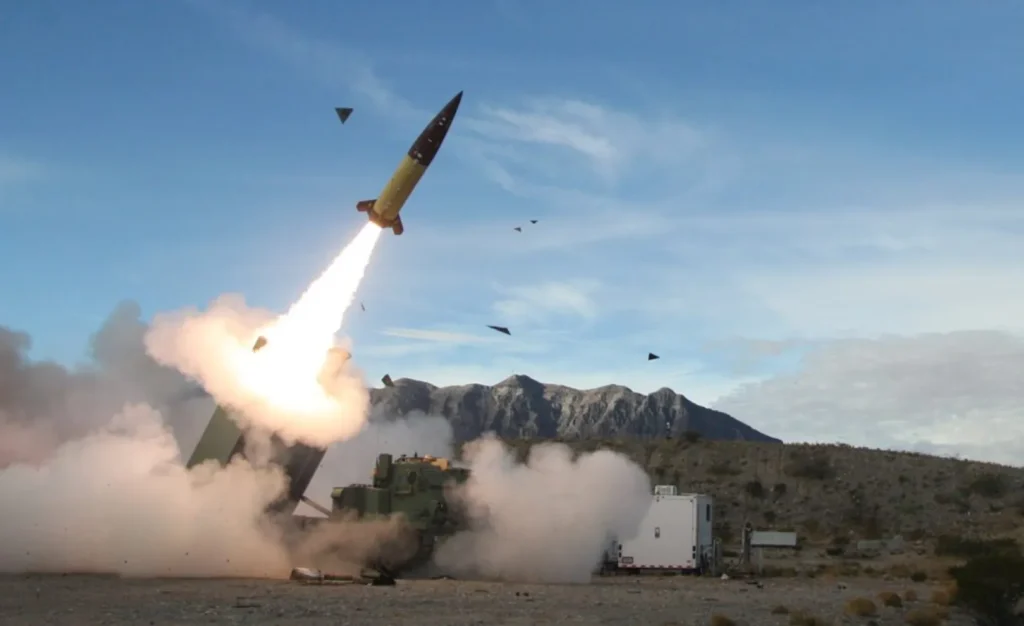
Over the years, ATACMS has come out in a number of versions. Early models were fitted with cluster munitions, breaking open in flight to spread dozens of smaller explosives. Newer models, however, replaced this with a single heavy warhead for striking one target directly. The U.S. has moved away from the cluster type, mainly because of political and treaty pressure, though it seems some partner countries still use the older models.
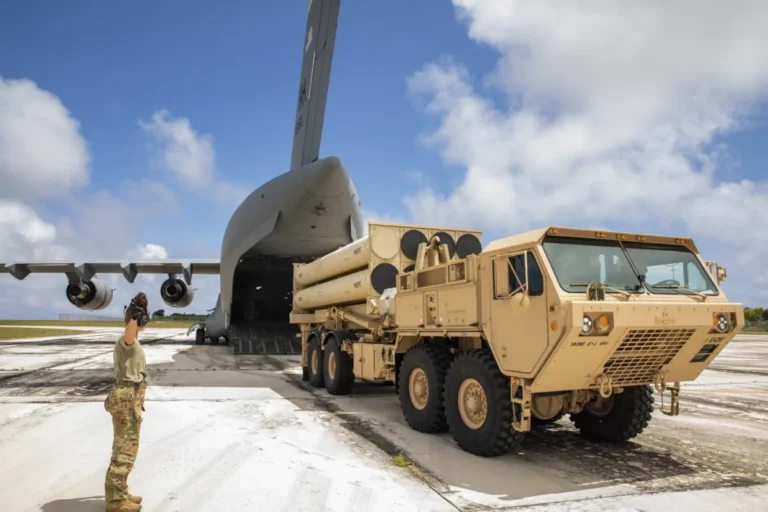
In terms of how it works, ATACMS is a solid-fuel missile that can be launched from systems already in use, such as the tracked M270 or the lighter wheeled HIMARS. The exact reach is not fixed (depending on the model). Early missiles were good for something in the 160-kilometer area. Later types stretched that to almost 300, though different sources sometimes give slightly different figures.
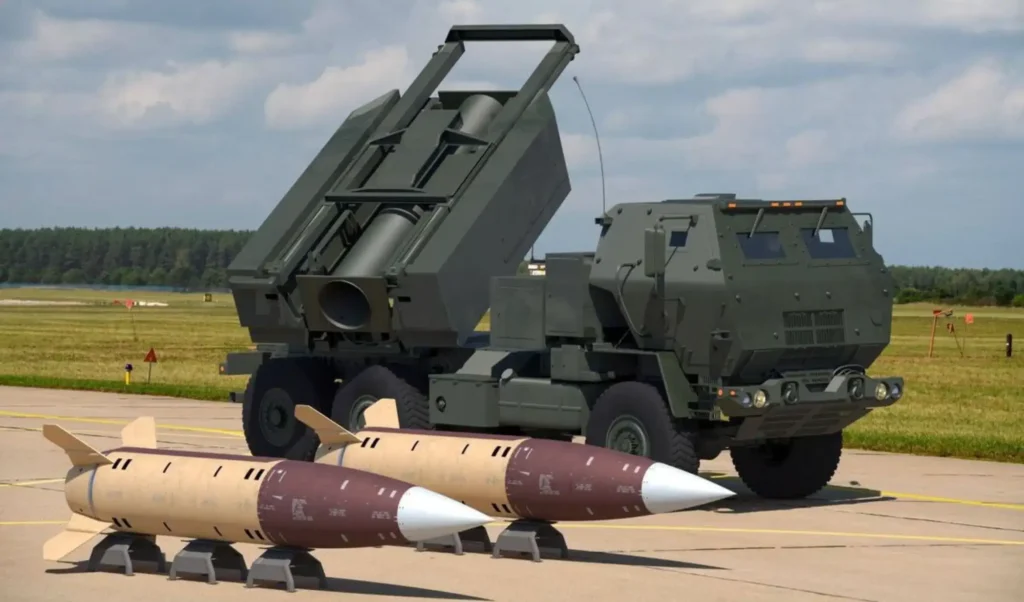
The type of warhead also makes a difference. Some missiles carry a single explosive charge, meant to damage one target directly. Others were designed to break apart and scatter many smaller bomblets, covering a wider area. The guidance system has changed over time as well. The first versions relied mainly on inertial navigation, which could be imprecise, and later models added GPS corrections to improve accuracy.
What really keeps ATACMS in the conversation is not just raw power but the balance it seems to strike between reach and accuracy. Unlike older rockets that were more about area bombardment, the newer versions can be guided closely enough to land on a single point.
Does that guarantee a perfect hit every time? Of course not, navigation can still drift, and weather or jamming might play a role. But the fact that commanders even consider it reliable enough for something like a radar dish or a command truck tucked near civilian areas says a lot about how expectations have shifted.
Take a simple example: what if an enemy radar unit set up shop just outside a small town? Sending in aircraft might invite losses to air defenses, and a large bomb could cause unintended damage. But a GPS-aided ATACMS, at least on paper, offers another path. It could be directed at the radar without flattening everything around it. The difference isn’t perfect, navigation can still drift, but compared with older weapons that simply landed “somewhere in the area,” this precision is a big step forward.
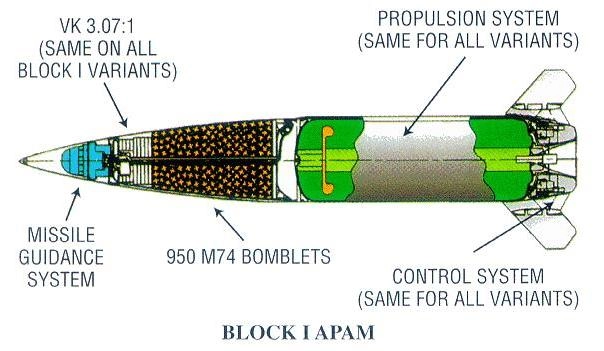
Range is another factor. Most standard artillery pieces stop short of hitting anything beyond a few dozen kilometers, and even rockets from systems like HIMARS are limited. With ATACMS, commanders suddenly have a way of striking targets two or three times farther.
To give an example, a commander might be able to hit an airfield 200 kilometers away without sending aircraft into enemy air defenses. That changes the way ground units can plan, since they are no longer restricted to what their closest guns can touch.
It’s also worth asking what really makes ATACMS practical for armies that already run rocket artillery. Part of the answer may lie in how it fits into launchers that soldiers already know: the heavier M270 or the lighter HIMARS truck. Nothing new has to be invented just to fire it, which lowers the barrier to actually using it. But does that mean every army would prefer the heavy tracked system over the faster wheeled one? Not necessarily.
The tracked launcher has space for more rockets, which is handy if a unit expects to fire a lot in one go. The downside, at least from what’s often said, is that it’s not the easiest thing to move around quickly, especially over long roads. The wheeled truck feels almost the opposite. It doesn’t haul as much, but it can get in and out of an area with less fuss.
This flexibility can be very crucial in a scenario like a crew finishing a fire mission with ordinary rockets, then receiving an urgent order: a high-value target has just been spotted far behind the front. They don’t need to switch vehicles. Or in other words, the same launcher can roll an ATACMS out of its pod and send it downrange. That flexibility doesn’t make the missile cheap or limitless, but it does explain why commanders still see it as useful in situations where time and mobility matter.
When people talk about ATACMS in today’s wars, it often sounds like the missile has completely changed the way battles are fought. That might be overstating it. Yes, having the ability to strike 200 or 300 kilometers away without sending in planes does give commanders options they didn’t have before. But does that really transform strategy, or does it simply extend what artillery was already meant to do? One could argue it’s more of a shift in degree than a revolution.
Take Ukraine, for instance. Last year, reports suggest that ATACMS strikes on Russian airfields in Berdyansk and Luhansk damaged helicopters and supply sites. On paper, that looks impressive (Russian aircraft that thought they were safe behind the lines weren’t).
However, when we look at the bigger picture that within weeks, Moscow rebuilt its assets quickly or dispersed more widely. In this sense, the long-term impact of ATACMS might not be as dramatic as the headlines make it sound.

The same could be said about earlier conflicts. In the 1991 Gulf War, ATACMS was fired against Iraqi surface-to-air missile sites and logistics hubs. It gave coalition forces a way to clear the path for aircraft without exposing pilots to early risk. But even then, critics noted that its cost and limited numbers meant it was more of a specialty tool than a battlefield workhorse.
In Iraq in 2003, and later in operations in Afghanistan, the missile was again used against command posts and air defense systems; high-value targets, yes, but usually in small numbers. The U.S. clearly didn’t see it as something to fire by the dozen the way it would with artillery shells. So, the missile hurts, no doubt, but does it stop the opponent from adapting? History would suggest not.
Compared with ordinary artillery, ATACMS clearly reaches farther and, in its newer forms, lands with better accuracy. Traditional artillery is still about volume—thousands of shells pounding a front, creating constant pressure. ATACMS is the opposite: you can’t fire them in bulk the way you can with cheaper shells or rockets.
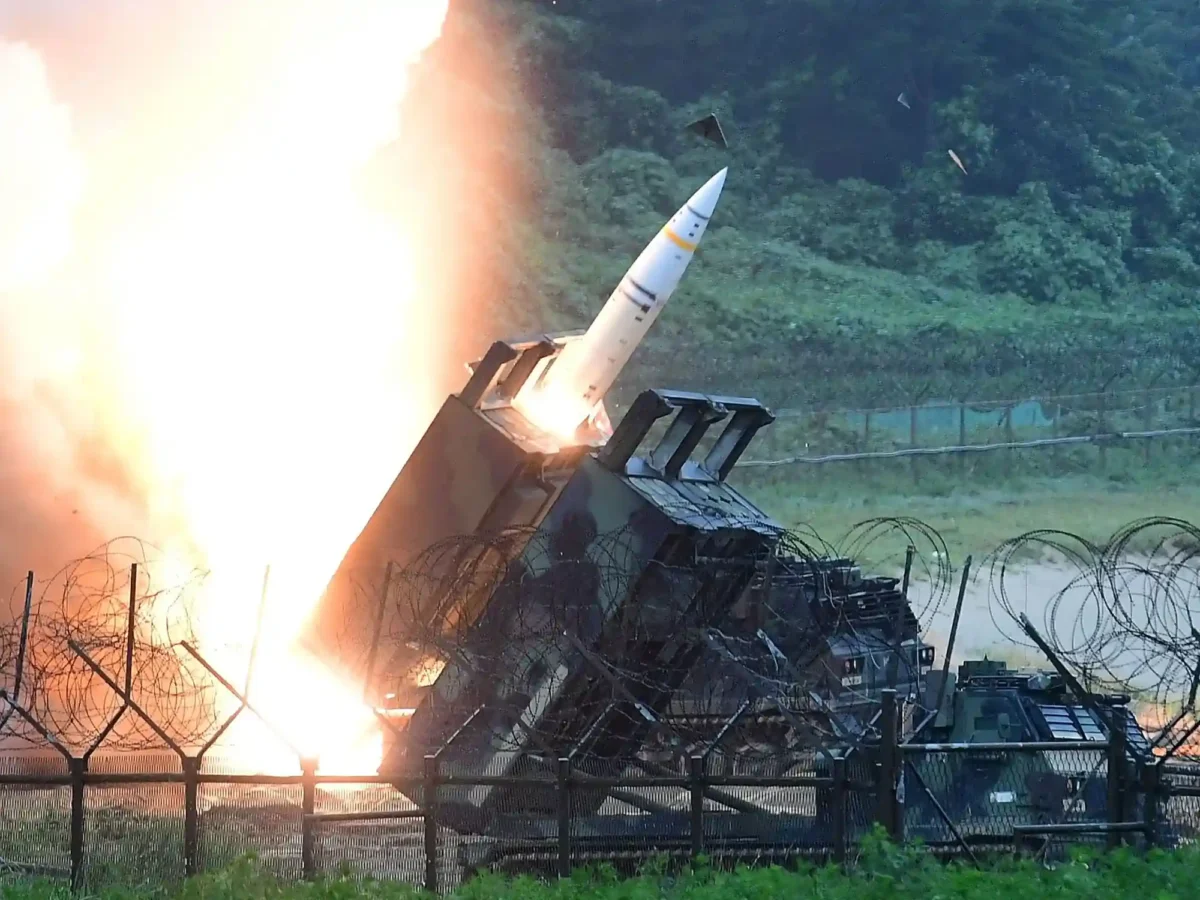
Each missile is expensive and limited in supply. So while it might be ideal for hitting something very specific, say a radar site or an ammo dump, it’s not the sort of weapon that reshapes a whole front line on its own. Some commanders like that middle ground. It gives them a precision strike without calling in the Air Force. Others argue it’s a niche tool that can never replace the blunt force of guns and rockets.
Some critics even say that ATACMS blurs the line between “tactical” and “strategic.” If you can knock out infrastructure far behind enemy lines, is that still just battlefield support, or is it edging into a different category altogether? And if it is, then how much control do politicians want to give commanders in deciding when and where to use it?
That political caution, like in Ukraine, where Washington has limited how far Kyiv can fire its ATACMS, shows that the missile isn’t treated as just another artillery piece. If it were, there’d be no debate about its range or target list. Instead, it sits in that gray area where each launch has not only tactical meaning but also political weight.
So, has ATACMS changed battlefield strategies? Yes, in the sense that enemies now know they can be hit far deeper than before. But no, in the sense that wars still revolve around mass firepower, logistics, and attrition. ATACMS adds reach and precision, but it doesn’t erase the need for those older, blunter tools.
When people describe the “technology” of ATACMS, it often sounds cutting-edge. In truth, most of what makes the missile work is decades old, patched and improved over time. The guidance system is a good example.
The earliest versions used inertial navigation alone, which basically meant the missile could drift off if the flight lasted long enough. Later upgrades added GPS, which gave it much sharper accuracy. But even that invites questions: in a world where GPS jamming is common, how much can the system really be trusted today? If an opponent can scramble the signal, does the missile suddenly start behaving like an older, less reliable weapon?
The warhead choices also show both strengths and weaknesses. Early on, cluster munitions looked attractive—one missile could scatter dozens of bomblets across a whole area, damaging airfields, convoys, or artillery batteries. But those bomblets often failed to explode, leaving behind hazards for civilians.
Over time, political pressure and treaty debates pushed the U.S. away from that option, so the newer versions use single, high-explosive warheads instead. That makes them more precise but arguably less flexible: a missile that can only destroy one thing at a time doesn’t always match the price tag. Some critics point out that you could fire cheaper rockets or even use drones for similar effects without tying up such an expensive system.

Integration with modern defense technology is another area that looks good on paper but is not so clear in practice. Yes, ATACMS can plug into networks with launchers like HIMARS or MLRS, which makes it easy for armies to add the missile without buying new platforms.
But once fired, it is still just a ballistic missile with a fairly predictable arc. Against an opponent with modern air defenses, is it really that much harder to shoot down than older rockets? Ukraine’s experience shows that interception is possible, and once a missile is broken up in mid-air, the fragments can be as dangerous to civilians as to the intended target.
So the “innovations” behind ATACMS are not as straightforward as they sound. GPS gave it better aim, but also created dependence on a signal that might not always be reliable. Warhead flexibility seemed useful, but political limits narrowed the options. And while the system fits neatly into existing launch platforms, that doesn’t erase the fact that each shot is costly and not always decisive.
In the end, ATACMS may look like a technological leap, but it also shows the limits of trying to stretch Cold War designs into a very different battlefield.