Follow Us:

Follow Us:

More than two years into the full-scale invasion of Ukraine, Russia’s Hybrid Warfare continues to evolve—and, arguably, intensify. While the world’s attention has often focused on missile strikes and troop movements, a quieter but equally dangerous front has been expanding in parallel: the non-kinetic battlefield.
This is where Russia’s hybrid war strategy thrives—a blend of conventional military force, cyber attacks, electronic warfare, disinformation campaigns, and psychological operations. And according to recent battlefield updates, Moscow appears to be doubling down on these methods in 2025, especially as Ukraine’s Western-backed counteroffensives stall and the conflict slips into a war of attrition.
Take, for example, the surge in Russian electronic warfare systems being deployed in eastern Ukraine. Ukrainian commanders have reported increasing disruptions to GPS signals, drone communications, and battlefield networks—tactics designed not just to blind or delay Ukrainian forces, but also to erode morale. Meanwhile, cyber warfare in Ukraine continues to target critical infrastructure and civilian services, often timed to coincide with physical strikes.
Perhaps even more insidious is the continued use of Russian disinformation tactics. Analysts have pointed to coordinated efforts to spread false narratives online—from fabricated battlefield “victories” to attempts at sowing division among Ukraine’s allies. These information operations may not win territory, but they aim to weaken resolve—both domestically and internationally.

So, what is hybrid war, exactly? And how has Russian military doctrine shaped its execution in Ukraine? While the answers are complex, one thing seems clear: Russia’s hybrid approach is not a side-show to the conventional war, but rather a core part of its strategy.
To understand Russia’s Hybrid Warfare, it helps first to unpack what hybrid war actually means—because it’s not always obvious when it’s happening. Unlike traditional warfare, which relies on tanks, troops, and territory, hybrid war blurs the line between war and peace. It mixes military and non-military tools — often in subtle, deniable ways—to destabilize an adversary without triggering a full-scale response.
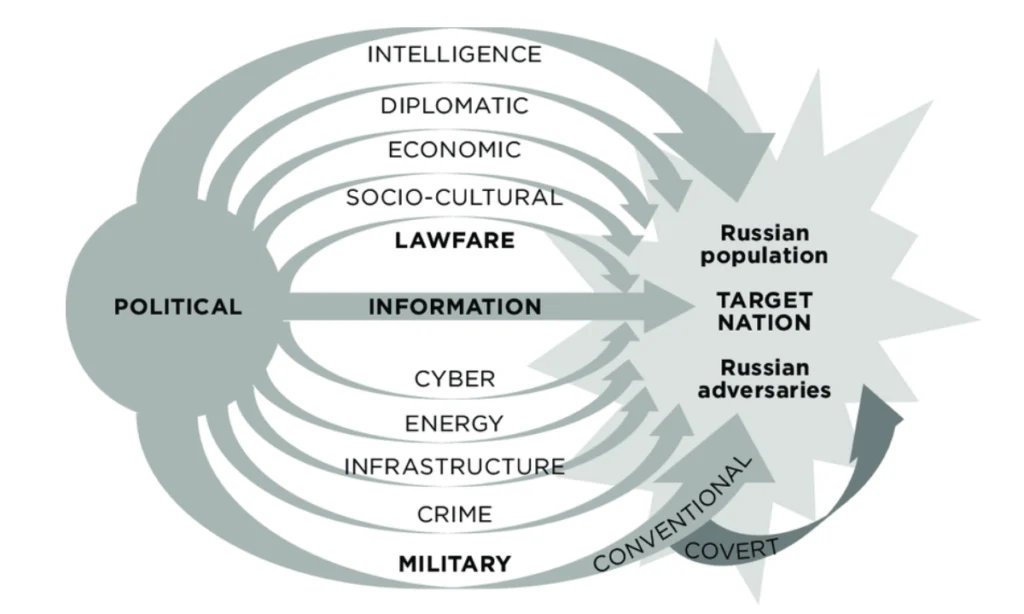
Many observers argue that the evolution of Russia’s hybrid strategy began well before the 2022 invasion of Ukraine. In fact, some would trace it back to the 2008 war in Georgia, or even earlier, in post-Soviet conflicts where disinformation, cyber intrusions, and covert operatives were used to shape the battlefield before the first shot was fired.
But it was in Ukraine—starting with Crimea in 2014—that this approach became more refined. Russian forces used unmarked troops, propaganda campaigns, and digital warfare to create confusion and delay international reaction. This tactic has since become a core part of Russian military doctrine, often described as the “Gerasimov Doctrine”—a blurred, unofficial blend of kinetic and non-kinetic tactics aimed at overwhelming the enemy on every front.
What makes Russia’s hybrid war strategy especially difficult to counter is its unpredictability — it’s often a slow burn rather than a clear-cut invasion. And because it operates in the gray zone between peace and war, it can be easy to dismiss… until it’s too late.
So, what are the key elements of hybrid conflict as practiced by Russia? While the exact mix can vary depending on the target and the context, several components tend to appear repeatedly—particularly in the Russia-Ukraine conflict. These tools often work in coordination, creating a layered strategy designed to weaken the enemy from within before—or even without—a direct military confrontation.
One of the most consistent features of Russia’s hybrid war strategy is its aggressive use of cyber warfare, especially against Ukraine’s digital infrastructure. Since 2014—and escalating after 2022—Ukrainian government websites, banks, and even energy grids have been frequent targets.
Some experts point to the 2022 “WhisperGate” malware attack as a typical example: it disabled key systems while masquerading as ransomware. These operations often aim to paralyze basic services, create panic, and make daily life feel unstable—all without a single soldier crossing the border.
Russia is also known for its sophisticated electronic warfare capabilities. Ukrainian military units have frequently reported GPS jamming, signal interception, and drone interference—especially near the front lines in Donetsk and Luhansk.
This is a way to limit Ukrainian command-and-control, disrupt targeting accuracy, and slow down troop coordination. Some reports suggest Russia deploys mobile EW systems like Krasukha and Leer-3, which may be used to track smartphone signals or cut off communications entirely.
Equally damaging—but far less visible—are Russian disinformation tactics. These campaigns aim to control the narrative, both domestically and internationally. Tools like RT (Russia Today), Telegram channels, and widespread bot networks help spread misleading or false information.
For instance, fake stories about Ukrainian military failures or Western fatigue have been used to erode support for Kyiv. In some cases, these narratives are seeded just before key military offensives, suggesting a coordinated effort between propaganda and battlefield moves.
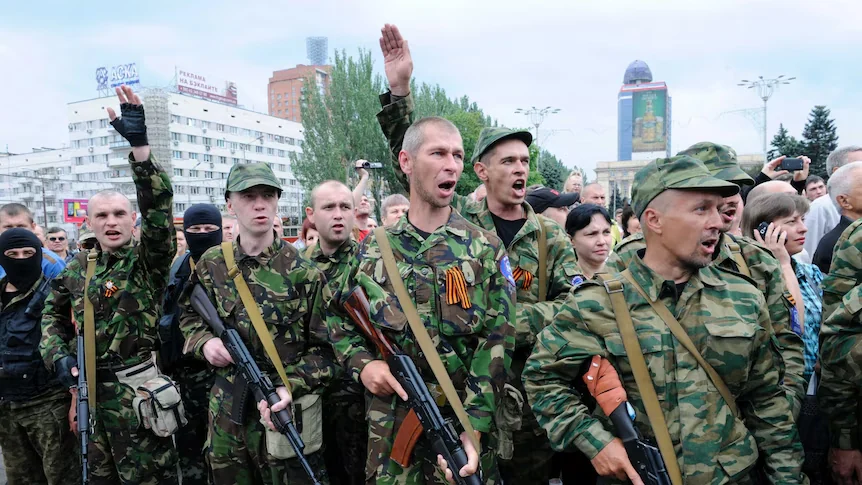
Another defining aspect of Russia’s hybrid warfare is its use of proxy actors. Groups like the Wagner Group, local militias, and “volunteer battalions” offer Moscow a way to shape conflicts without formally committing regular troops. This tactic was seen in Crimea, Eastern Ukraine, and even parts of Africa. These forces often operate in legal gray zones, giving the Kremlin plausible deniability while still achieving its objectives.
Perhaps less visible—but no less strategic—is Russia’s use of energy exports, trade leverage, and legal threats as part of its hybrid toolkit. Cutting gas supplies to Europe, manipulating grain exports, or threatening to nationalize Western assets are all examples of how Moscow applies economic coercion in tandem with military aggression. These measures often force adversaries to choose between economic hardship and political pushback.
To truly grasp the impact of Russia’s Hybrid Warfare, it helps to look at how it plays out on the ground—and in the information space. Recent reports from analysts, including Geopolitical Monitor, suggest that between 2024 and 2025, Moscow has continued to refine its hybrid playbook in Ukraine, often combining cyberattacks, disinformation, and electronic warfare into synchronized campaigns.
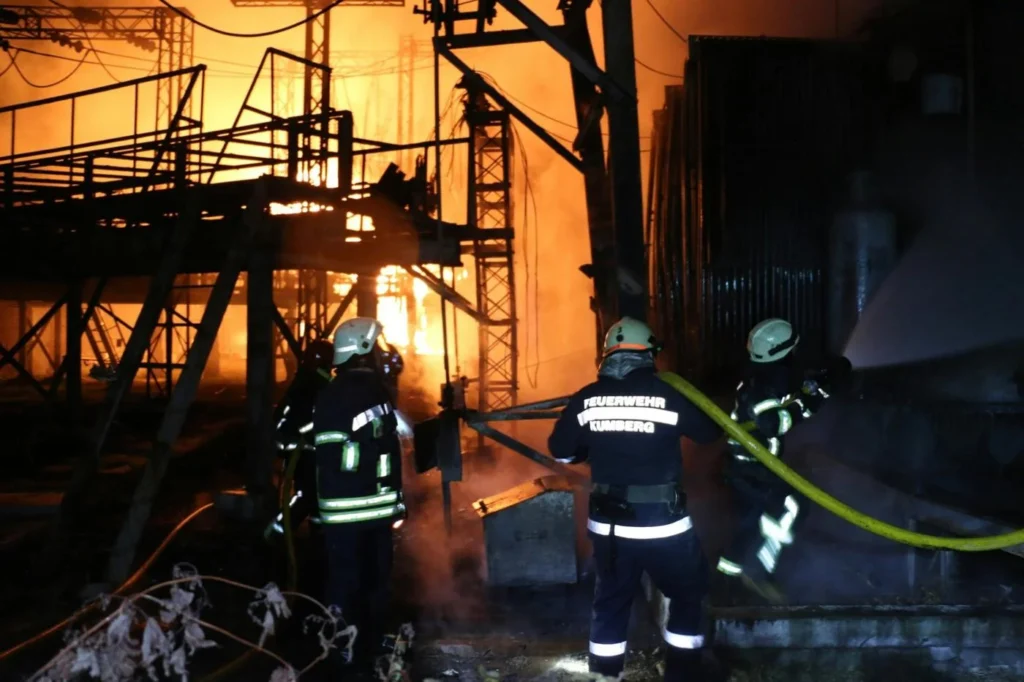
One high-profile example involves cyber warfare in Ukraine’s energy sector. In early 2024, Ukraine’s state energy company faced a series of digital assaults believed to be linked to Russian threat actors. These attacks reportedly targeted control systems and backup generators, causing brief but significant power outages across several regions.
While Ukrainian cybersecurity teams quickly restored operations, the psychological impact—especially during winter—may have been a key objective. Some analysts argue that these attacks were intended not just to disrupt services but to shake public trust in Ukraine’s ability to keep the lights on during wartime.
Meanwhile, the use of electronic warfare near NATO’s eastern borders appears to have intensified. Several reports point to instances of GPS spoofing in Poland, Lithuania, and even parts of the Baltic Sea — all of which occurred during or near major NATO training events.
While it’s difficult to prove direct intent, the timing and location have led many to suspect deliberate interference. Ukrainian commanders, too, have spoken publicly about the increased jamming of both military and commercial drone systems, particularly in contested zones like Avdiivka and Bakhmut.
But perhaps one of the most disturbing developments in recent hybrid tactics is the use of deepfake technology. In late 2024, a fake video surfaced online showing what appeared to be Ukrainian President Volodymyr Zelenskyy ordering troops to surrender.
Though it was quickly debunked, it briefly circulated widely on Telegram and TikTok before being taken down — potentially reaching thousands, if not millions, in that window. It was a stark reminder of how Russian disinformation tactics are evolving, leveraging new tools to wage psychological operations at scale.
When looking at Russia’s hybrid war strategy, it’s important to ask not just how these tactics are used — but why. What does Moscow actually hope to achieve through cyberattacks, disinformation, and electronic warfare? While the objectives may vary by context, analysts generally agree on a few recurring strategic goals that seem to underpin Russia’s hybrid campaigns, particularly in Ukraine and across the broader Russia-Ukraine conflict.
One of the clearest objectives is destabilization. By targeting Ukraine’s power grid, disrupting communications, or spreading false narratives, Russia aims to create confusion and uncertainty within Ukrainian society. This isn’t just about winning battles — it’s about undermining confidence in institutions, weakening national morale, and making daily life feel chaotic and unmanageable. The more unstable things appear, the harder it becomes for Ukraine to focus on long-term strategy or reform.
Closely tied to this is psychological warfare. Tools like deepfake videos, Telegram propaganda, and fake social media campaigns are meant to trigger emotional responses — fear, doubt, even hopelessness. When a fake surrender video of President Zelenskyy goes viral, or when a cyberattack knocks out a hospital’s power for hours, it sends a message: you’re not safe, and your government can’t protect you. These aren’t random acts — they’re calculated moves in a broader campaign to erode resilience from within.
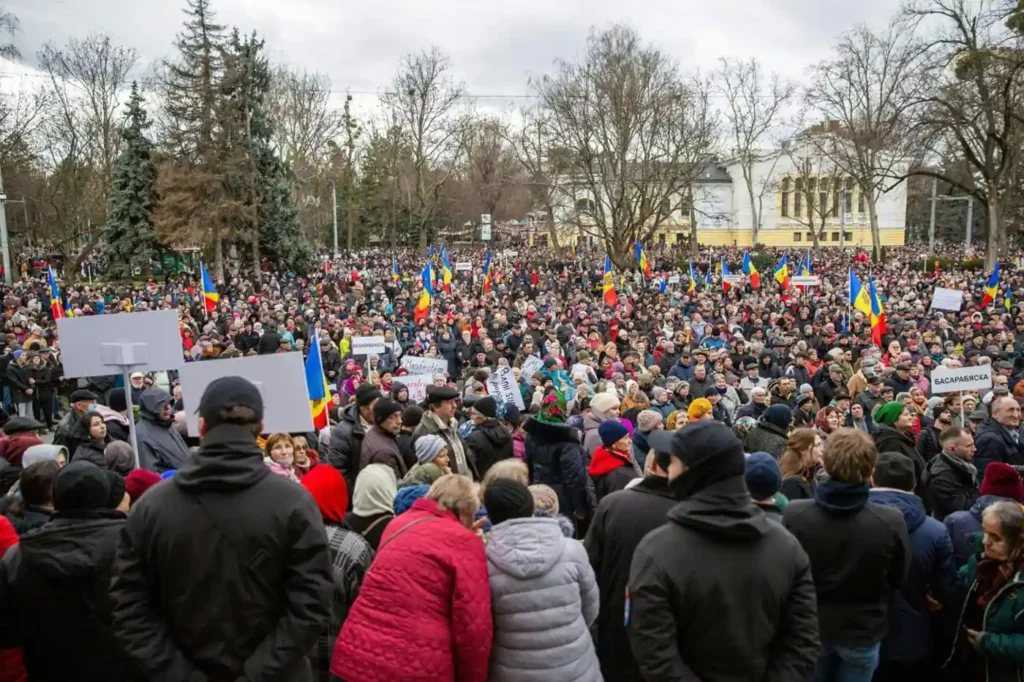
Another key objective appears to be control over the information environment. Russia has long recognized that war isn’t just fought with bullets — it’s also fought with narratives. Through platforms like RT, bot networks, and targeted disinformation on social media, Moscow seeks to dominate the messaging landscape. By flooding the zone with conflicting information — some true, some false, and some deliberately misleading — Russia can muddy the waters to the point where truth becomes difficult to distinguish from propaganda.
Finally, there’s a broader geopolitical aim: eroding Western cohesion. Many experts believe Russia’s hybrid tactics are designed not only to weaken Ukraine, but to test and strain its supporters. Disinformation aimed at European or American audiences — such as claims that aid is being wasted, or that Ukraine is corrupt — may be intended to drive wedges between Kyiv and its allies. Over time, even small fractures can grow, especially in democratic societies sensitive to public opinion.
While Russia’s hybrid warfare has proven adaptive and disruptive, it’s not going unchallenged. Both Ukraine and its Western allies — particularly NATO — have been working to counter these tactics with growing sophistication. Though challenges remain, recent years have seen a surge in resilience-building, information defense, and even tech innovation aimed at leveling the hybrid playing field.
On the ground, Ukraine’s response to Russia’s hybrid war has become increasingly agile. One key example is the emergence of the so-called IT Army — a loosely coordinated group of cybersecurity experts, volunteers, and digital activists who have launched counter-hacks, taken down propaganda sites, and monitored Russian digital movements. While not a traditional military unit, the IT Army reflects Ukraine’s understanding that cyber warfare in Ukraine isn’t just state vs. state — it’s a whole-of-society effort.
Ukraine has also significantly improved its ability to fight Russian disinformation tactics. With support from NGOs, tech companies, and European partners, Kyiv has launched counter-disinformation campaigns, fact-checking hubs, and digital literacy programs. Some efforts involve tracking Russian bot networks in real time and rapidly debunking fake news before it spreads — particularly across platforms like Telegram, which remains a popular vector for psychological operations.
Meanwhile, Western support, especially from NATO, has included both defensive and offensive measures. NATO has expanded its cyber defense capabilities, improved electronic warfare readiness, and increased coordination among member states to detect and respond to hybrid threats. Multinational cyber exercises and joint threat-monitoring centers have also become more prominent, suggesting that the alliance is taking the hybrid threat more seriously than ever before.
Perhaps one of the most impactful innovations, though, has come from the tech side. Starlink, for instance, has played a crucial role in helping Ukraine maintain communications during blackouts or EW attacks. Some analysts argue that its decentralized nature makes it more resistant to jamming and surveillance. Additionally, there are ongoing efforts to use AI-based detection systems to identify deepfakes, detect coordinated bot campaigns, and flag digital anomalies linked to Russian influence operations.
While no defense is foolproof, these countermeasures reflect a broader shift: the understanding that Russia’s hybrid war strategy must be met not just with weapons, but with resilience, adaptability, and innovation. And while the hybrid threat may continue to evolve, so too — it seems — will the responses.