Follow Us:
Follow Us:

It’s easy to overlook Guam—a remote U.S. territory in the western Pacific that rarely makes international headlines. But behind its tropical scenery and quiet civilian life lies one of the most strategically important pieces of real estate in modern military planning. Some would argue it has quietly become the strategic backbone of America’s Indo-Pacific defense strategy.
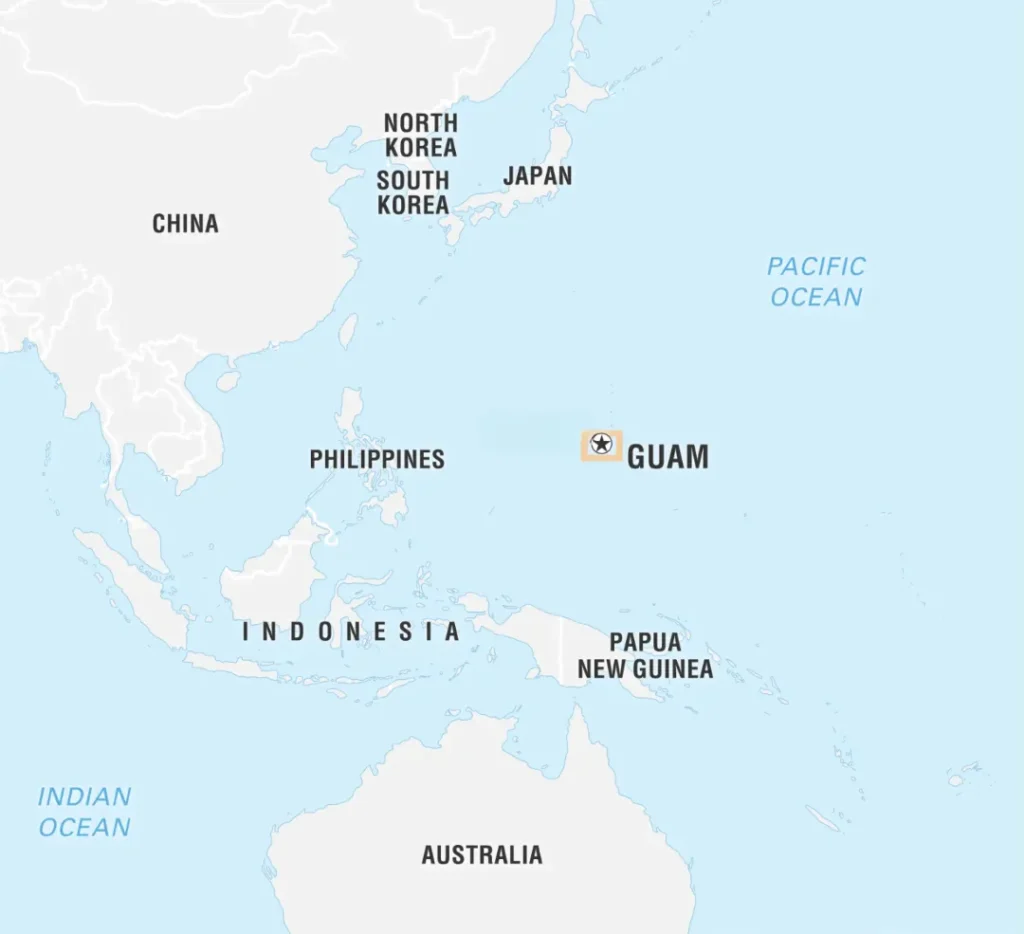
Roughly 6,000 miles from California, yet only 1,800 miles from the coast of China, Guam’s location is no accident. It sits at a geopolitical crossroads—close enough to project power across Asia, yet distant enough to serve as a relatively secure staging ground for U.S. forces. It hosts both Andersen Air Force Base and Naval Base Guam, making it one of the few places in the world where American air and naval forces converge in such a concentrated force. But why does this island matter now more than ever? The short answer: is China.
In this post, we’ll break down why the Guam military base matters, what forces are stationed there, how it fits into broader U.S. defense doctrine, and what its future might look like as the Indo-Pacific grows ever more contested.
To understand why Guam plays such a critical role in U.S. military strategy, it helps to start with a bit of history.
The United States first acquired Guam Island in 1898, as part of the Treaty of Paris that ended the Spanish-American War. Almost immediately, the U.S. recognized Guam’s geographic utility—initially using it as a coaling station and naval outpost to support Pacific maritime routes. During the early 20th century, its role remained relatively modest, though it was firmly established as part of America’s growing Pacific footprint.
Everything changed with World War II. In 1941, just hours after the attack on Pearl Harbor, Japanese forces invaded and occupied Guam. The island remained under Japanese control for nearly three years, during which time it was heavily fortified.
In 1944, U.S. forces launched a major amphibious assault to retake Guam, resulting in one of the Pacific War’s bloodiest campaigns. Following the successful liberation, Guam was rapidly transformed into a major forward operating base for U.S. forces—supporting long-range bombing missions against Japan and serving as a critical logistics hub.
Read also: Diego Garcia – Why It’s Key to U.S. Power in the Indian Ocean
After the war, Guam’s military infrastructure was not dismantled. Instead, it continued to grow—especially during the Cold War, when the U.S. sought to establish strongholds across Asia and the Pacific to counter Soviet expansion. Andersen Air Force Base, built during WWII, became an essential facility for strategic bomber operations during the Vietnam War and later during Operation Desert Storm. Around the same time, Naval Base Guam evolved into a crucial site for submarine operations and logistical support in the western Pacific.
By the late 20th century, Guam had solidified its identity as a U.S. military base island—home to thousands of personnel, key air and naval infrastructure, and a dense network of support facilities. While the exact size and function of the Guam military base have shifted over time, its presence has remained continuous—and deeply rooted in the island’s wartime legacy.
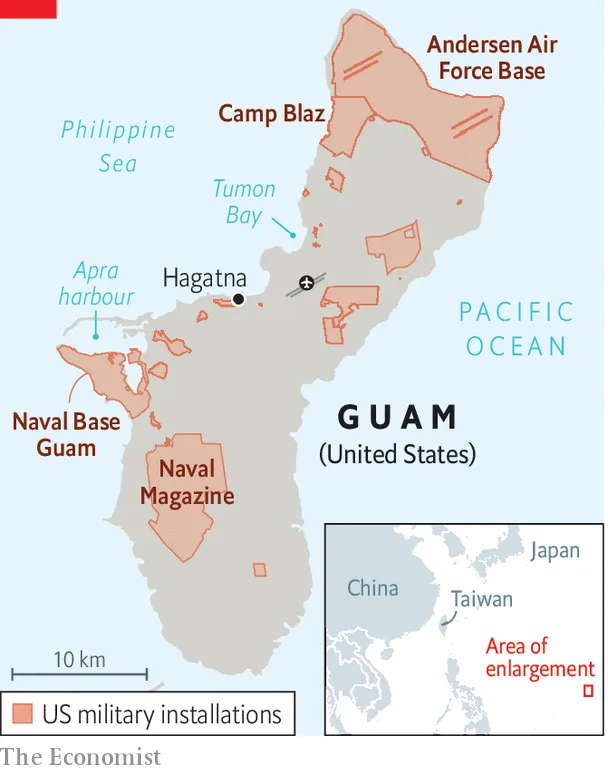
When people talk about the U.S. military base in Guam Island, they’re usually referring to two major installations: Andersen Air Force Base and Naval Base Guam.
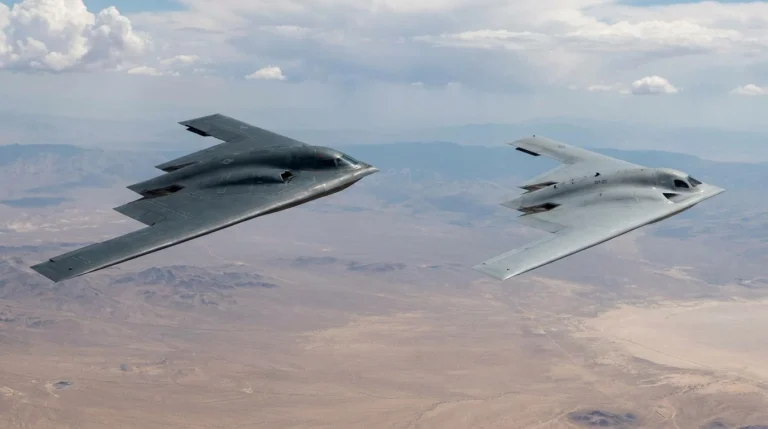
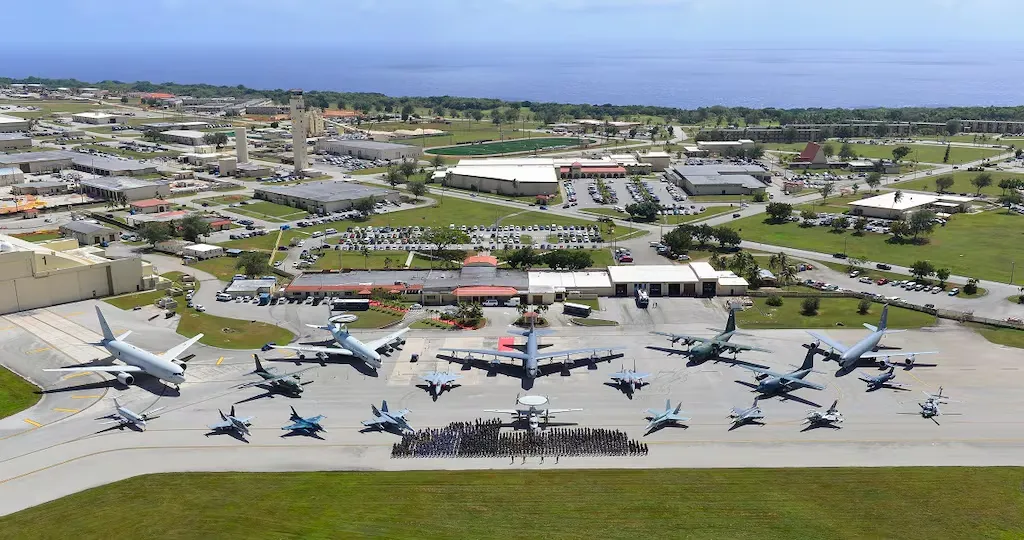
Andersen Air Force Base is located in the northern part of Guam. Operated by the U.S. Air Force (USAF), Andersen has long been a key hub for long-range bomber operations. It was built during World War II and has evolved over the decades to become one of the most important Air Force bases in the Pacific. At any given time, the base can support aircraft like the B-1B Lancer, B-2 Spirit, and B-52 Stratofortress—all of which are capable of striking targets thousands of miles away.
In recent years, Andersen AFB has hosted a number of high-profile military exercises, including Valiant Shield and Cope North, which involve coordination between U.S. air, naval, and ground forces—and often include regional allies like Japan and Australia. These exercises suggest that Andersen is also a center for joint and coalition readiness.
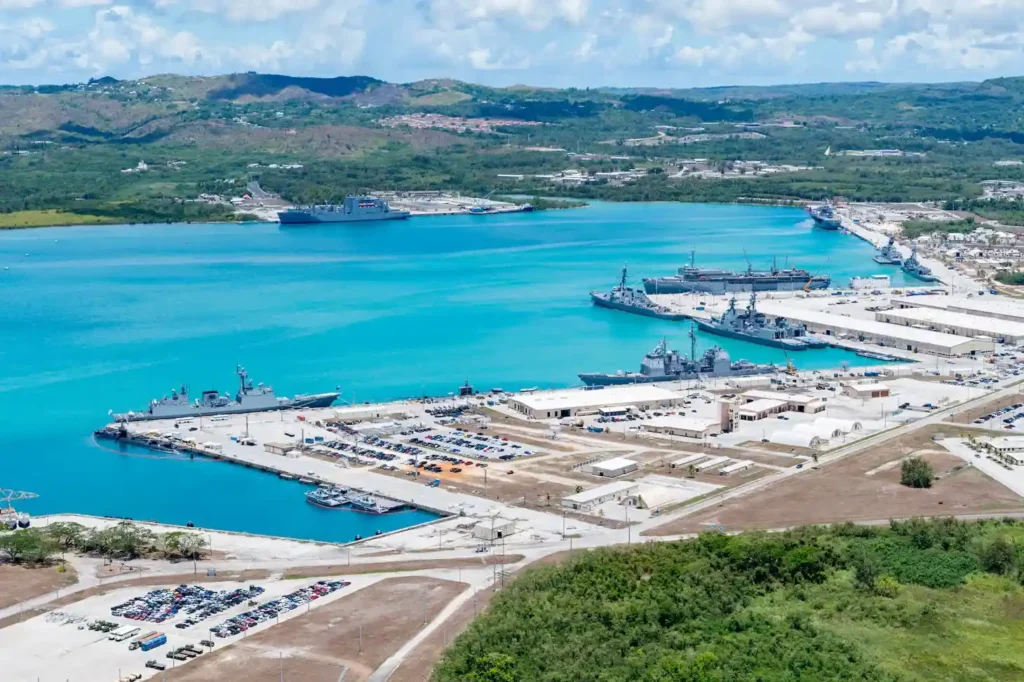
Further south lies Naval Base Guam, operated by the U.S. Navy. It serves as a critical homeport for nuclear-powered attack submarines and surface ships in the U.S. Pacific Fleet. The base provides essential maintenance, logistics, and replenishment services that allow the Navy to maintain a persistent presence in the region without relying on more distant facilities.
One especially notable event came in 2020 when the USS Theodore Roosevelt, a U.S. aircraft carrier, made headlines after a COVID-19 outbreak forced it to dock in Guam for an extended period. While not a routine situation, it demonstrated the island’s capability to provide medical and logistical support to a full carrier strike group—something only a few bases in the world can do.
Both bases have also played a role in missile defense developments, with THAAD systems already in place and discussions underway about expanding integrated air and missile defense capabilities across Guam. This reflects growing concern over China’s long-range missile capabilities, including the much-discussed DF-26, which has been characterized by some as a direct threat to Guam’s military infrastructure.
For a relatively small island, Guam’s military base plays an outsized role in shaping America’s posture in the Indo-Pacific. Strategically located about 1,800 miles from the Chinese coastline and just over 2,100 miles from North Korea, Guam serves as a forward-operating hub that allows the U.S. to respond quickly to regional crises, deter aggression, and project force without relying entirely on allied territory.
One of Guam’s most important—though sometimes understated—roles is deterrence. With tensions mounting over Taiwan, continued provocations from North Korea’s missile program, and a rapidly modernizing People’s Liberation Army (PLA), Guam sits at the front end of what could become the most volatile security theater of the 21st century. Its value lies not only in what is stationed there, but also in what it represents: a permanent, credible reminder of U.S. military presence in the Pacific.
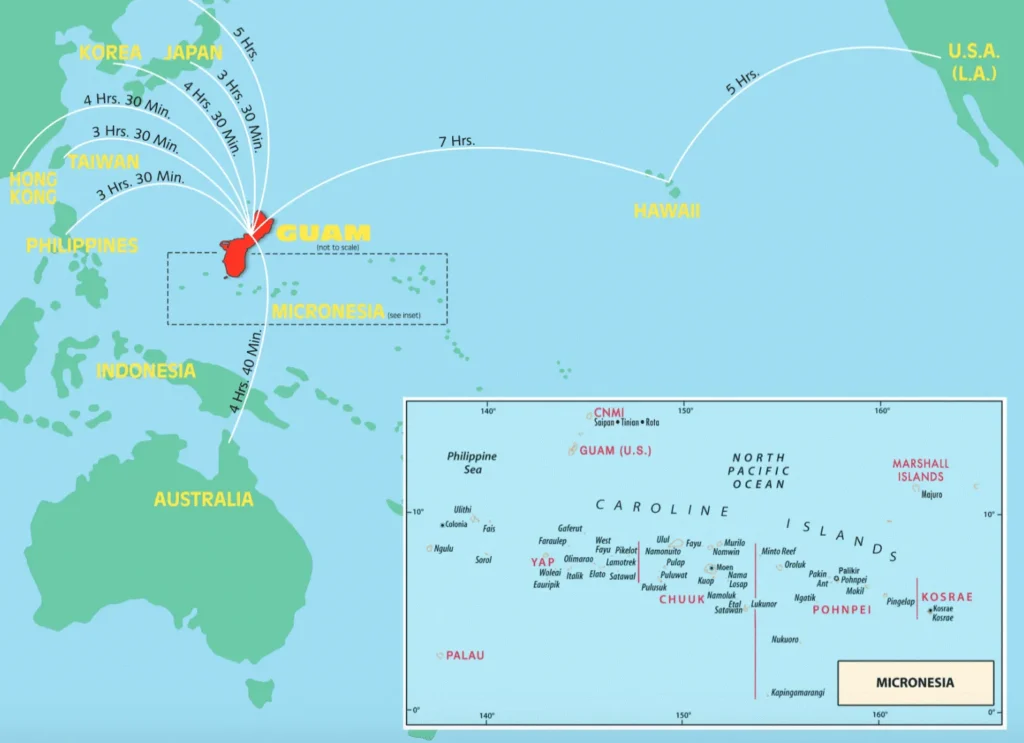
As part of its Indo-Pacific Command (INDOPACOM) posture, the U.S. uses Guam as a launch point for air and naval operations across the region. This includes bomber patrols over the South China Sea, intelligence-gathering flights, and rapid submarine deployments. Andersen Air Force Base, for instance, regularly hosts bomber task forces—which, while no longer permanently stationed, rotate through the island to maintain unpredictability and strategic readiness.
A major reason Guam holds such value is its ability to host both long-range strategic bombers and fast-attack submarines—a rare dual capability. Andersen Air Force Base regularly supports B-1B, B-2, and B-52 bombers, which can carry out global strike missions with conventional or nuclear payloads. This positioning enables the U.S. to project airpower deep into Asia without relying on mainland U.S. bases.
Meanwhile, Naval Base Guam is home to nuclear-powered attack submarines (SSNs), including those from Submarine Squadron 15, which patrol the Pacific and gather intelligence in contested waters. Having both air and undersea capabilities forward-deployed in one location gives the U.S. a flexible deterrent posture—ready to adapt quickly to regional crises.
From a logistical standpoint, Guam also reduces response time significantly. In the event of a flashpoint—whether on the Korean Peninsula or in the Taiwan Strait—Guam allows for immediate force projection without the diplomatic complexities of operating from third-party countries like Japan or the Philippines. This gives the U.S. more autonomy and flexibility, even if host-nation permissions elsewhere are delayed or denied.
Moreover, Guam is becoming increasingly vital to missile defense planning. With the deployment of THAAD systems, and proposals to integrate Aegis Ashore or other next-generation interceptors, the island is expected to play a major role in shielding U.S. assets—and potentially regional partners—from long-range missile threats. Chinese state media has openly acknowledged this, referring to Guam as a potential “first strike” target, which underscores the island’s strategic vulnerability as well as its importance.
The Guam military base size is also expanding. The U.S. has invested billions in infrastructure, including a new Marine Corps base—Camp Blaz—designed to host rotational forces relocated from Okinawa. In broader terms, Guam functions as a logistics and sustainment hub for extended missions, including humanitarian operations, disaster relief, and naval patrols across the Micronesian subregion. Its proximity to major shipping lanes also makes it a key player in maritime domain awareness—a growing concern as China’s naval activity increases beyond its near seas.
Read also: How Strong Is China’s Military
So while Guam may not carry the name recognition of larger bases like Yokosuka or Pearl Harbor, its strategic importance arguably makes it one of the most crucial—and most exposed—assets in the U.S. Indo-Pacific defense architecture.
Over the past few years, Guam’s military base has undergone some of its most significant changes since the Cold War.
One of the most notable shifts is the relocation of the U.S. Marines from Okinawa to Guam, a move that’s been in the works for over a decade. While the original agreement between Washington and Tokyo dates back to 2006, real progress has materialized more recently.
In 2020, construction began on Marine Corps Base Camp Blaz, named after Brigadier General Vicente “Ben” Blaz, the first Chamorro Marine to reach general officer rank. This base will eventually house around 5,000 Marines on a rotational basis, with full operational capability expected sometime in the late 2020s. This move is often framed as a way to reduce the U.S. footprint in Okinawa while still maintaining a robust U.S. military presence in the Pacific—but it also deepens Guam’s role in rapid-response operations across the region.
In parallel, the island has become a focal point for missile defense. Following North Korea’s 2017 threats to target Guam, the U.S. deployed a THAAD (Terminal High Altitude Area Defense) battery to the island—its first permanent missile defense system in the Western Pacific.
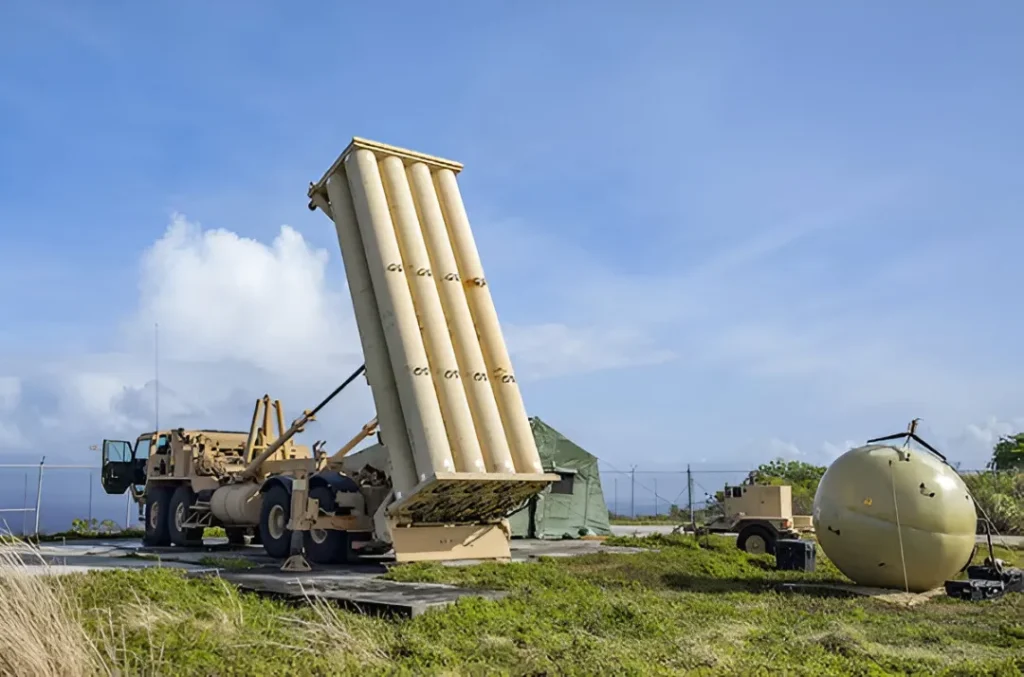
More recently, there’s been ongoing debate around installing an Aegis Ashore system to bolster defenses against intermediate-range ballistic missiles, particularly those potentially launched from China. While no final deployment has been confirmed, reports from 2023 and 2024 suggest the Pentagon is actively assessing options to harden Guam’s air and missile defense network in response to what some officials call a “high-value target profile.”
Beyond troops and interceptors, there’s also been major infrastructure investment across the island. In the last five years alone, the Department of Defense has poured billions into upgrades at Andersen Air Force Base, Naval Base Guam, and surrounding support areas. Projects include expanded fuel storage, improved runways, hardened hangars, and advanced command-and-control facilities. These upgrades reflect a growing recognition that Guam must be resilient enough to absorb and recover from potential first strikes, particularly in a future high-intensity conflict.
Guam has found itself increasingly at the center of U.S.-China military tensions—perhaps not by choice, but by geography and strategic necessity. As U.S. Indo-Pacific strategy shifts toward containing China’s regional assertiveness, Guam’s role has grown more complex.
Under Washington’s broader Indo-Pacific defense strategy, Guam offers something few other locations can: sovereign U.S. territory close to the first island chain, but not bound by the same host-nation agreements as bases in Japan, South Korea, or the Philippines.
That autonomy makes it a reliable platform for projecting force across the region—from bomber deployments and submarine patrols to surveillance and missile defense. From this angle, Guam could be seen as a key node in the U.S. effort to deter and contain Chinese influence, particularly in sensitive areas like the Taiwan Strait and South China Sea.
However, that very centrality makes Guam more exposed—especially in the eyes of Chinese military planners. Chinese media and defense analysts have often referred to Guam as an “unsinkable aircraft carrier,” but not always in an admiring way.
In recent years, particular attention has focused on China’s DF-26 intermediate-range ballistic missile, nicknamed the “Guam Killer.” This weapon, which reportedly has a range of about 4,000 kilometers, is designed to threaten fixed targets like Andersen Air Force Base. While there is still debate over the precision and reliability of such systems in wartime conditions, the message from Beijing seems clear: Guam is not off-limits in a potential conflict.
In response, the U.S. has quietly stepped up countermeasures to reduce Guam’s vulnerability. THAAD batteries are already in place, and plans for additional integrated missile defense systems—possibly including Aegis Ashore—are under review.
Infrastructure upgrades such as hardened shelters, dispersed fuel storage, and rapid runway repair capabilities are also aimed at making Guam more resilient to a surprise strike. Some defense officials argue that this shift from “power projection” to “power survival” may mark a critical evolution in how the Guam military base is being conceptualized.
Still, it’s worth noting that not everyone agrees on how vulnerable Guam really is. While Chinese missiles may technically be able to reach the island, intercepting those strikes—and rapidly recovering from them—could still give U.S. forces the upper hand in a prolonged conflict. Others caution, though, that Guam’s symbolic and operational significance may make it too tempting a target for Beijing to ignore in the event of a serious escalation