Follow Us:
Follow Us:


Defense Feeds – Russia deploys T-90MS tank, which was showcased earlier this year at the International Defence Exhibition (IDEX) in Abu Dhabi, directly to the frontline in Ukraine—a move that highlights significant strains on Russian armored forces facing sustained battlefield losses and surging demand for modern combat tanks in Ukraine.
The T-90MS tank displayed at the Abu Dhabi defense expo was originally painted in a desert camouflage scheme to appeal to international buyers and demonstrate its export-ready capabilities.
Once the exhibition ended, Russia transported the vehicle back, repainted it in the standard army green typical of Russian military hardware, and handed it over to frontline troops.
According to the Russian firm UralVagonZavod, the tank had been presented abroad in a configuration nearly identical to what Russian forces are now using, with the only exception being the change in camouflage.
The company emphasized that the T-90MS model incorporated extensive improvements based on combat experience during the ongoing “special military operation,” a term used by Moscow for its actions in Ukraine.
The T-90MS is a modern export-focused evolution of the T-90 tank series. It features upgraded armor protection, including advanced reactive and composite materials designed to withstand modern anti-tank weapons.
Its firepower is enhanced via a new 125mm smoothbore cannon capable of firing guided missiles, alongside improved targeting optics and sensors that increase accuracy and situational awareness on the battlefield.
Historically, the tanks demonstrated at international exhibitions like IDEX are kept as showpieces to attract foreign customers but rarely see direct combat use by Russian forces themselves.
The decision to deploy this particular model signals how Russia is being pushed to press every available asset into service due to armored vehicle shortages during the protracted conflict in Ukraine.
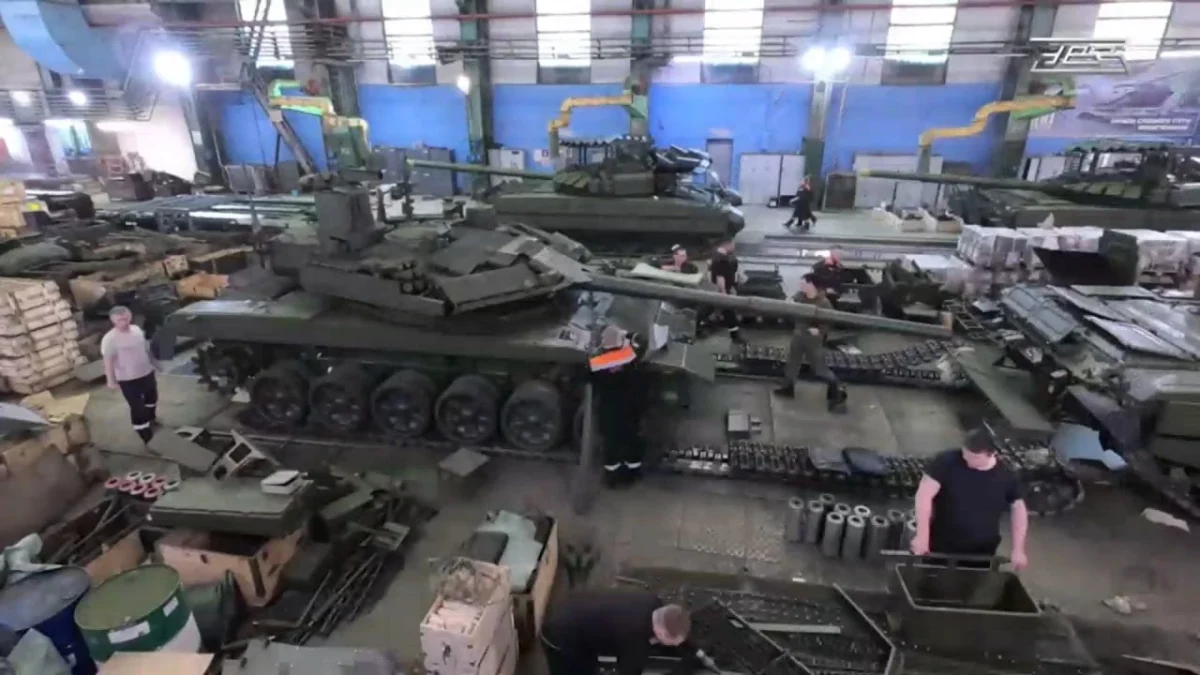
The redeployment of an exhibition unit tank occurs against a backdrop of severe armored vehicle attrition suffered by Russian forces.
Independent open-source intelligence (OSINT) groups have documented sizable losses of Russian armored vehicles, especially on the Pokrovsk front and surrounding areas, since early 2024.
Analysts relying on satellite imagery, drone footage, and battlefield photography have confirmed that over 100 Russian tanks have been destroyed in just a six-month period at that front alone.
In addition to tanks, more than 200 armored personnel carriers (APCs) and infantry fighting vehicles (IFVs) are reported lost.
These numbers reflect the intensity of fighting and the vulnerabilities faced by Russian armored columns against Ukrainian anti-tank weapons, artillery strikes, and ambush tactics.
The mounting destruction of armored vehicles has led to shortages of functional tanks and support vehicles for Russian ground forces.
Normally, Russian manufacturers allocate newer tank models like the T-90MS for export contracts and those in domestic service receive older variants.
However, with mass losses, the line between export and frontline equipment has blurred, as demonstrated by the deployment of the IDEX exhibit tank.
The high demand for combat-ready, technically advanced tanks on multiple fronts extends pressure on Russia’s military-industrial complex to increase production.
Yet manufacturing, modernization, and deliveries face challenges due to sanctions, supply chain disruptions, and the complexity of producing sophisticated armored platforms.
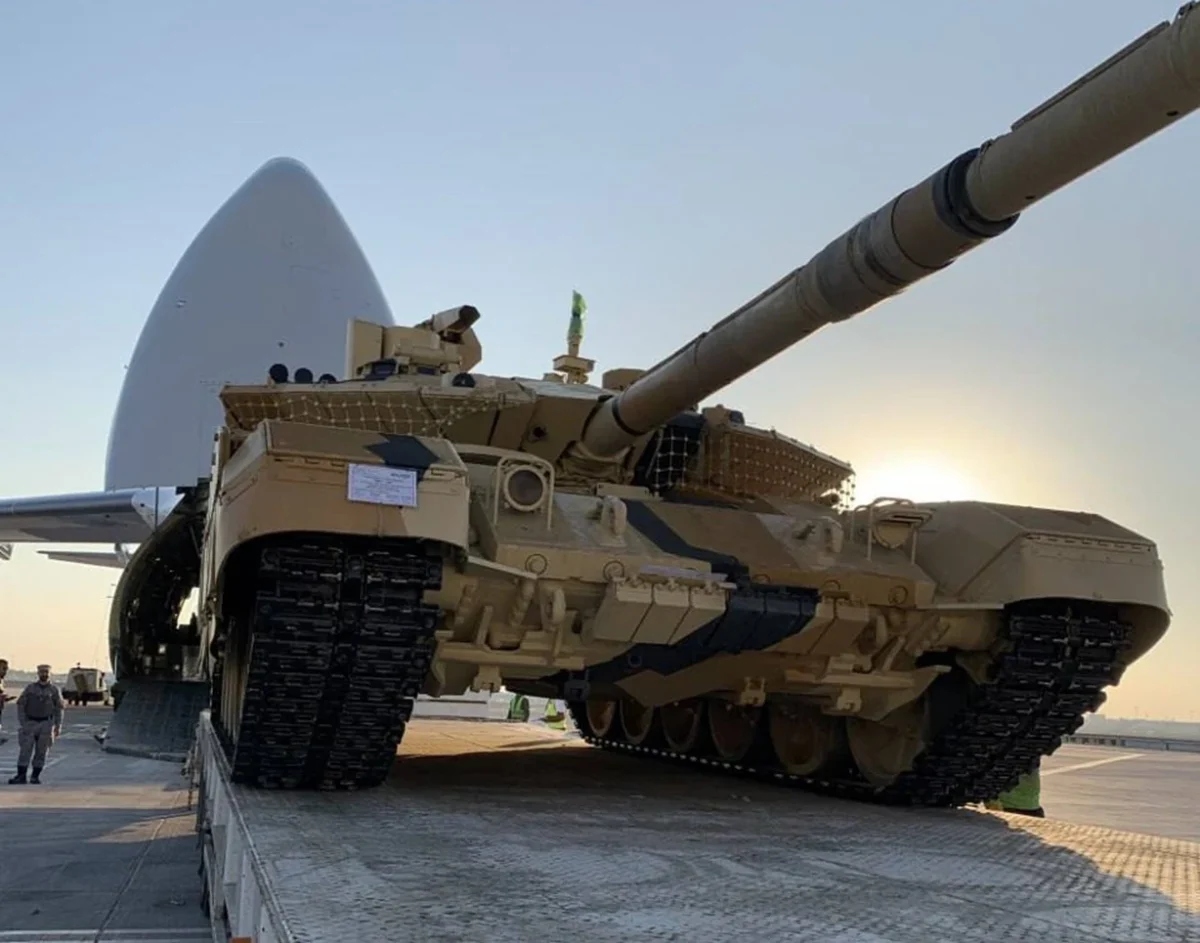
The shift of a T-90MS display model from a high-profile international arms expo to war represents more than just a hardware redeployment; it symbolizes the intensity of armored warfare in Ukraine and the challenges Russia faces securing its military assets.
Such deployments demonstrate how battlefield attrition forces armed forces to adapt quickly, drawing upon all assets available, including export showcase models, to maintain frontline combat strength.
This situation also highlights logistical and production bottlenecks within Russia’s defense industry struggling to replace lost equipment fast enough.
For observers tracking the war and broader military dynamics, Russia’s move to use a demonstration tank in combat reveals critical insights:
For Ukraine and its allies, these developments mean that combat will continue to feature high-intensity armored engagements, making anti-tank defenses a priority.
It also underpins the importance of continued military aid to Ukraine to counterbalance Russian armored capabilities.
Overall, the deployment of the T-90MS tank previously shown at Dubai’s defense exhibition to the Ukrainian frontline offers a clear window into Russia’s current military constraints and future military production ambitions.
As the war evolves, this example illustrates how industrial capacity, battlefield losses, and equipment modernization intersect under conflict pressures.