Follow Us:
Follow Us:

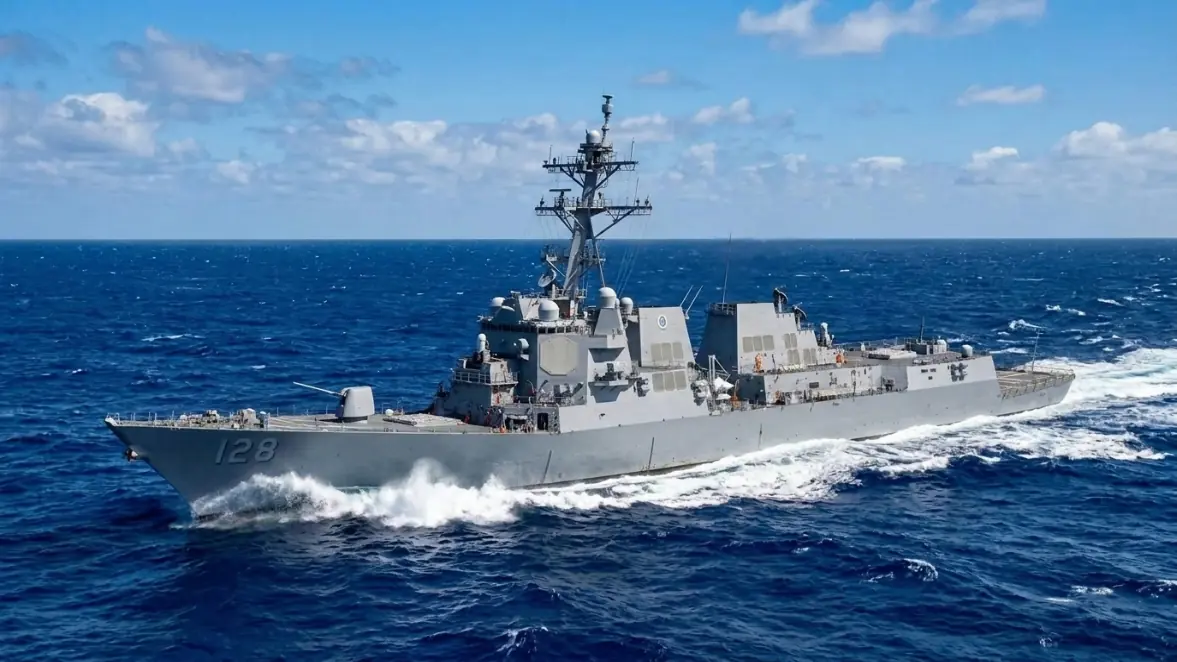
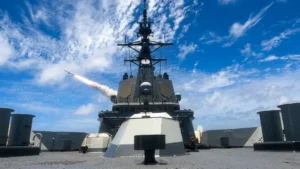
Defense Feeds, Norfolk — The United States Navy is continuing its surface fleet modernization as the US Navy USS Ted Stevens arrival strengthens Aegis fleet defense following the destroyer’s arrival in Norfolk. The future USS Ted Stevens represents one of the Navy’s newest Flight III Arleigh Burke-class destroyers, equipped with advanced radar and missile defense systems designed to address increasingly complex aerial threats.
The arrival marks another milestone in the Navy’s effort to expand next-generation fleet defense capability. Flight III destroyers are intended to significantly improve air and missile defense performance compared to earlier variants of the Arleigh Burke class. As missile technology evolves worldwide, improving detection and interception capability has become a major strategic priority.
Named after former US Senator Ted Stevens of Alaska, the warship is expected to play a key role in future naval operations involving ballistic missile defense, fleet protection and integrated maritime warfare. The destroyer’s advanced systems are designed to support both independent operations and coordinated defense within larger naval task groups.
The most important upgrade featured on the USS Ted Stevens is the AN/SPY-6(V)1 radar system, considered one of the most advanced naval radars currently entering operational service. The radar offers significantly improved sensitivity and target tracking capability compared to previous Aegis destroyer systems.
Modern missile threats are becoming faster, more maneuverable and increasingly difficult to detect. The SPY-6 radar is specifically designed to improve tracking of ballistic missiles, cruise missiles, aircraft and unmanned aerial systems operating simultaneously across contested environments.
The enhanced radar integrates directly with the Aegis combat system, allowing the destroyer to process large amounts of targeting information in real time. This significantly strengthens fleet air defense capability and improves response speed during high-threat engagements.
In addition to missile defense, the Flight III destroyers maintain multi-role operational flexibility. The USS Ted Stevens will be capable of anti-submarine warfare, surface combat operations and long-range strike missions, ensuring the vessel remains adaptable across multiple mission profiles.
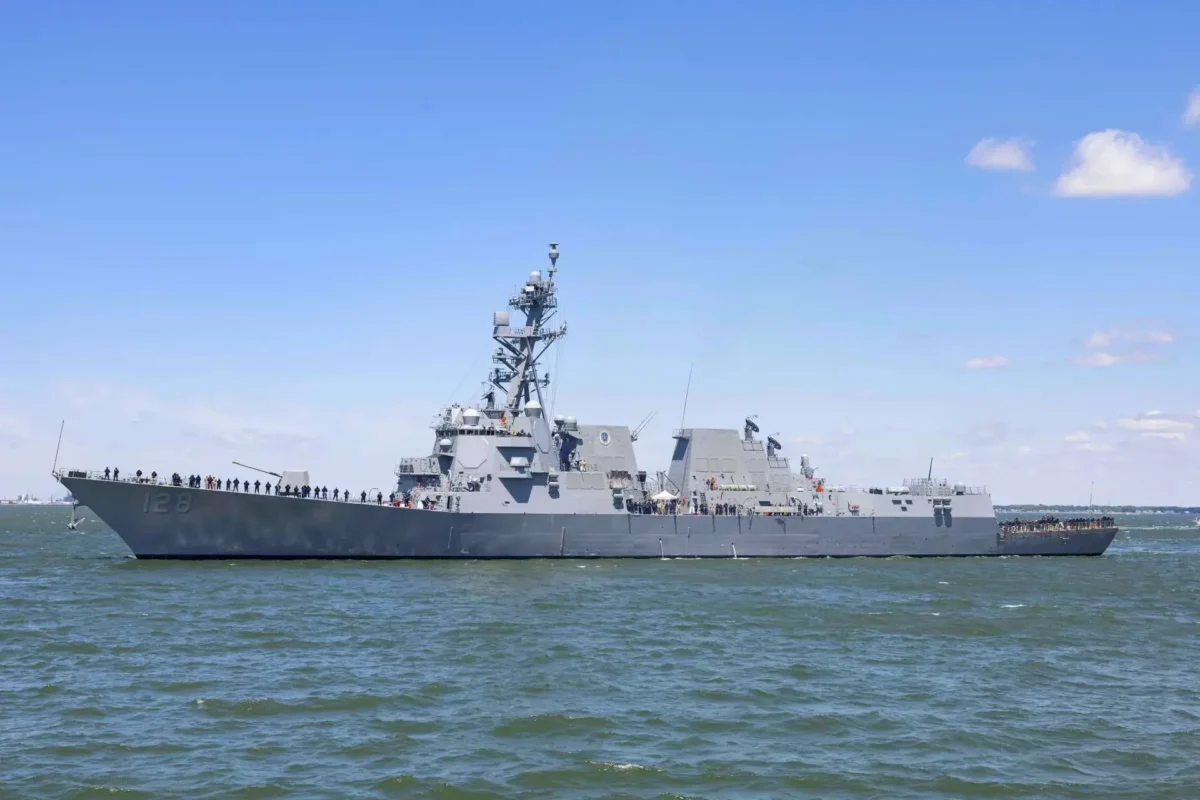
The USS Ted Stevens forms part of the Navy’s broader effort to modernize the Arleigh Burke-class destroyer fleet while preparing for future maritime competition. The Arleigh Burke class remains one of the most important components of US naval power due to its versatility, survivability and long operational record.
Rather than replacing the destroyer fleet entirely, the Navy has focused on incrementally upgrading the platform with more advanced combat systems, sensors and missile defense technologies. The Flight III configuration represents the latest stage in this modernization strategy.
The upgraded destroyers are also expected to support integrated naval operations involving aircraft carriers, submarines and unmanned systems. Modern warfare increasingly depends on networked operations where ships share targeting and sensor information across multiple domains.
In addition, Flight III destroyers are being designed with greater power generation and cooling capacity to support future technologies. This could eventually include directed-energy weapons, expanded missile systems and next-generation sensors requiring higher electrical output.
The arrival of the USS Ted Stevens comes at a time when missile defense is becoming increasingly central to naval strategy. Potential adversaries continue developing advanced ballistic missiles, hypersonic weapons and long-range anti-ship systems capable of threatening carrier groups and strategic infrastructure.
Aegis-equipped destroyers serve as a core layer within the US Navy’s integrated missile defense architecture. These warships protect carrier strike groups, allied assets and critical maritime regions by detecting and intercepting incoming threats at long range.
The Indo-Pacific region is expected to remain a primary focus for these capabilities due to rising strategic competition and expanding military activity. Flight III destroyers like the USS Ted Stevens are likely to play a major role in maintaining regional deterrence and operational readiness.
The increasing complexity of modern naval warfare is also driving greater emphasis on layered defense concepts. Ships must now defend against combinations of drones, cruise missiles and ballistic threats operating simultaneously. Advanced radar and combat systems are essential for managing these evolving challenges.
Looking ahead, the USS Ted Stevens is expected to become one of the Navy’s most capable surface combatants as additional Flight III destroyers enter service. The vessel represents how the Navy is adapting proven platforms to meet emerging operational requirements while maintaining strong fleet defense capability.
The arrival of the future USS Ted Stevens in Norfolk underscores the Navy’s continued commitment to strengthening missile defense and maritime superiority. As global naval competition intensifies, advanced destroyers equipped with next-generation radar and combat systems will remain central to future fleet operations.