Follow Us:
Follow Us:


Defense Feeds, Washington — The United States is strengthening its naval logistics network as the US Navy T-AO-217 tanker contract expands Pacific fleet support through a new $856 million agreement awarded to General Dynamics NASSCO. The contract covers construction of the T-AO-217 fleet replenishment oiler, a vessel designed to sustain US naval operations across the Indo-Pacific region.
Fleet oilers are a critical but often overlooked part of naval operations. These ships provide fuel, supplies and logistical support to warships operating far from home ports, allowing carrier strike groups and other naval forces to remain deployed for extended periods. As strategic competition intensifies across the Pacific, sustaining operational reach has become increasingly important.
The T-AO-217 is part of the John Lewis-class fleet replenishment oiler program, which aims to modernize the Navy’s aging support fleet. Expanding logistical capability is considered essential as the Navy prepares for longer deployments and more distributed maritime operations in contested environments.
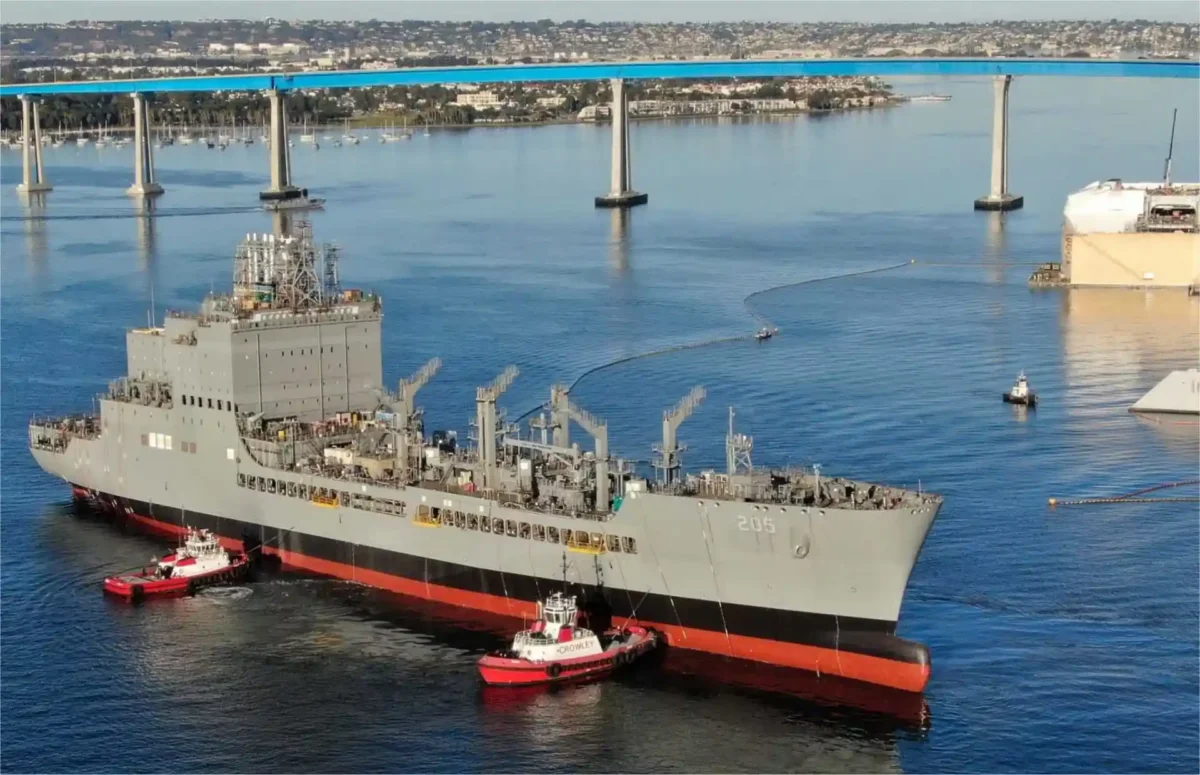
The future T-AO-217 tanker is designed to provide underway replenishment support to US Navy warships operating across large maritime areas. By transferring fuel and supplies while vessels remain at sea, replenishment oilers significantly extend operational endurance and reduce the need for ships to return to port.
This capability is particularly important in the Indo-Pacific region where distances between operational areas can be enormous. Carrier strike groups, destroyers and amphibious ships require constant logistical support to maintain readiness during extended deployments.
The John Lewis-class oilers are also designed with improved survivability and efficiency compared to older replenishment ships. Modernized systems, enhanced fuel capacity and improved cargo handling allow for more effective support of high-tempo naval operations.
In addition to fueling warships, these vessels can transport dry cargo, aviation fuel and other essential supplies. Their multi-role logistics capability makes them central to sustaining naval operations during both peacetime missions and potential conflict scenarios.
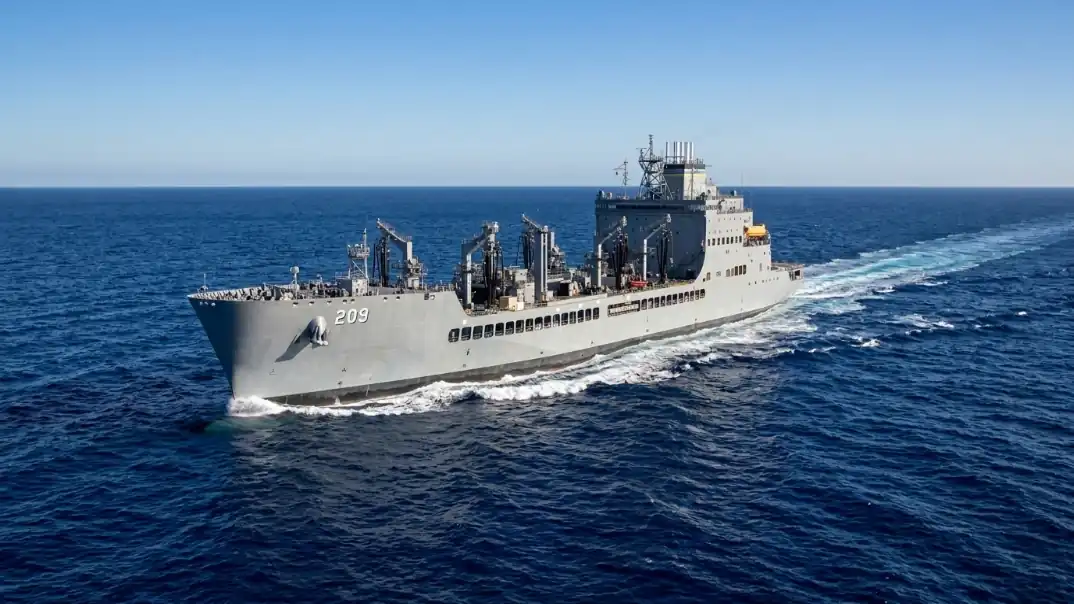
The $856 million contract awarded to General Dynamics NASSCO reflects the Navy’s continued focus on strengthening support infrastructure alongside combat fleet modernization. While warships and submarines often receive greater attention, logistics vessels are equally critical to maintaining global naval presence.
Modern naval warfare increasingly depends on operational endurance and supply chain resilience. Ships operating in contested areas may face limited access to forward bases, making at-sea replenishment capability more important than ever. Expanding the tanker fleet directly supports this strategic requirement.
The John Lewis-class program is intended to gradually replace older Kaiser-class oilers that have supported Navy operations for decades. Newer ships offer improved reliability, lower maintenance demands and compatibility with evolving fleet requirements.
The contract also provides industrial benefits by supporting shipbuilding activity within the United States. Large naval construction programs help sustain skilled labor, manufacturing capacity and long-term defense production capability. Maintaining a strong domestic shipbuilding base remains a major strategic priority.
The Indo-Pacific region continues to drive much of the Navy’s modernization and deployment planning. Expanding naval activity, strategic competition and the growing importance of maritime security have increased the need for resilient support networks capable of sustaining operations over vast distances.
Distributed maritime operations are becoming a central part of future naval strategy. Instead of concentrating forces in a few large formations, the Navy increasingly plans to operate smaller and more dispersed units across wider areas. Such an approach requires highly reliable logistical support.
Fleet replenishment ships like the T-AO-217 enable this operational model by allowing warships to remain at sea longer without relying heavily on fixed ports or vulnerable supply hubs. Sustained presence and mobility are considered key advantages in modern naval competition.
The growing threat posed by long-range missiles and anti-access systems has also elevated the importance of logistics resilience. Future conflicts could involve contested supply routes and disrupted infrastructure. Mobile replenishment capability helps mitigate these risks and maintain operational continuity.
Looking ahead, support vessels are expected to become even more important as the Navy integrates unmanned systems, expanded missile defenses and distributed operations into future maritime strategy. Maintaining a capable logistics fleet will remain essential for supporting global naval missions.
The T-AO-217 contract highlights how naval power depends not only on combat platforms but also on the systems that sustain them. As strategic competition in the Pacific intensifies, fleet replenishment ships will continue to play a vital role in enabling long-range and persistent US naval operations.