Follow Us:
Follow Us:

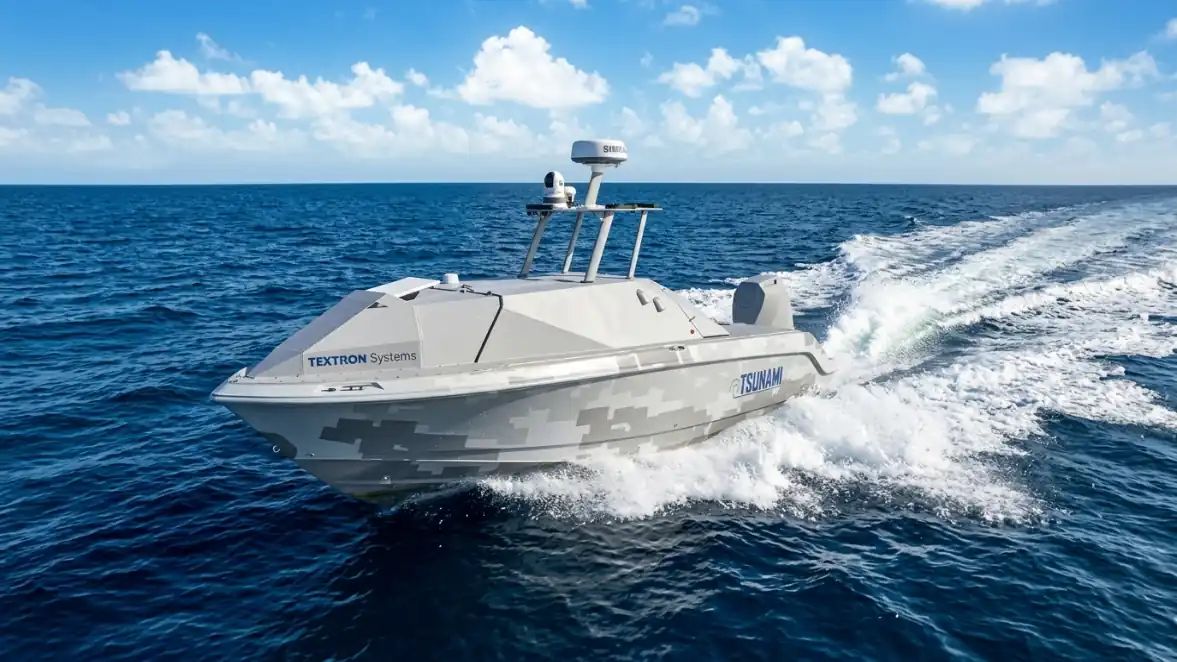
Defense Feeds – Washington: The U.S. Navy Tests Armed TSUNAMI Drone Boats for SOUTHCOM initiative marks another major step in the Pentagon’s growing push toward autonomous maritime warfare. The U.S. Navy is now actively ordering and evaluating armed TSUNAMI uncrewed surface vessels, or USVs, for operations linked to U.S. Southern Command as Washington expands its use of drone platforms in contested maritime environments.
The move reflects increasing Pentagon interest in low-cost autonomous systems capable of supporting surveillance, maritime security and precision strike missions without placing sailors directly in harm’s way. Defense officials view unmanned vessels as an important force multiplier, particularly in regions where persistent monitoring and rapid-response capabilities are becoming more critical.
The TSUNAMI platform is being developed as a modular and adaptable uncrewed surface vessel that can support multiple operational roles including reconnaissance, interdiction and potentially armed maritime engagements. The latest testing effort highlights how rapidly the Navy is integrating autonomous systems into frontline naval planning.
The TSUNAMI drone boat program is part of a broader U.S. military strategy focused on unmanned and AI-enabled systems across naval operations. According to information released by the Navy, the vessel has already undergone operational testing designed to evaluate performance during maritime security and surveillance missions.
Unlike larger unmanned naval programs intended for Indo-Pacific operations, TSUNAMI appears tailored for flexible regional deployments where smaller autonomous craft can conduct patrol missions at lower operational cost. The vessel’s compact design allows it to operate in coastal waters and areas where conventional manned ships may not always be practical.
One of the platform’s key advantages is its modular configuration. Mission payloads can reportedly be adjusted depending on operational requirements, allowing the vessel to support intelligence gathering equipment, communications systems or armed mission packages.
The Navy has increasingly emphasized autonomous maritime platforms as part of its future force structure. Officials believe unmanned systems can help address growing operational demands while reducing strain on traditional fleets already facing maintenance and deployment pressures.
Military analysts also note that drone boats such as TSUNAMI could become highly valuable for counter-smuggling operations, maritime interdiction missions and regional deterrence efforts under U.S. Southern Command, which oversees American military activities across Latin America and the Caribbean.
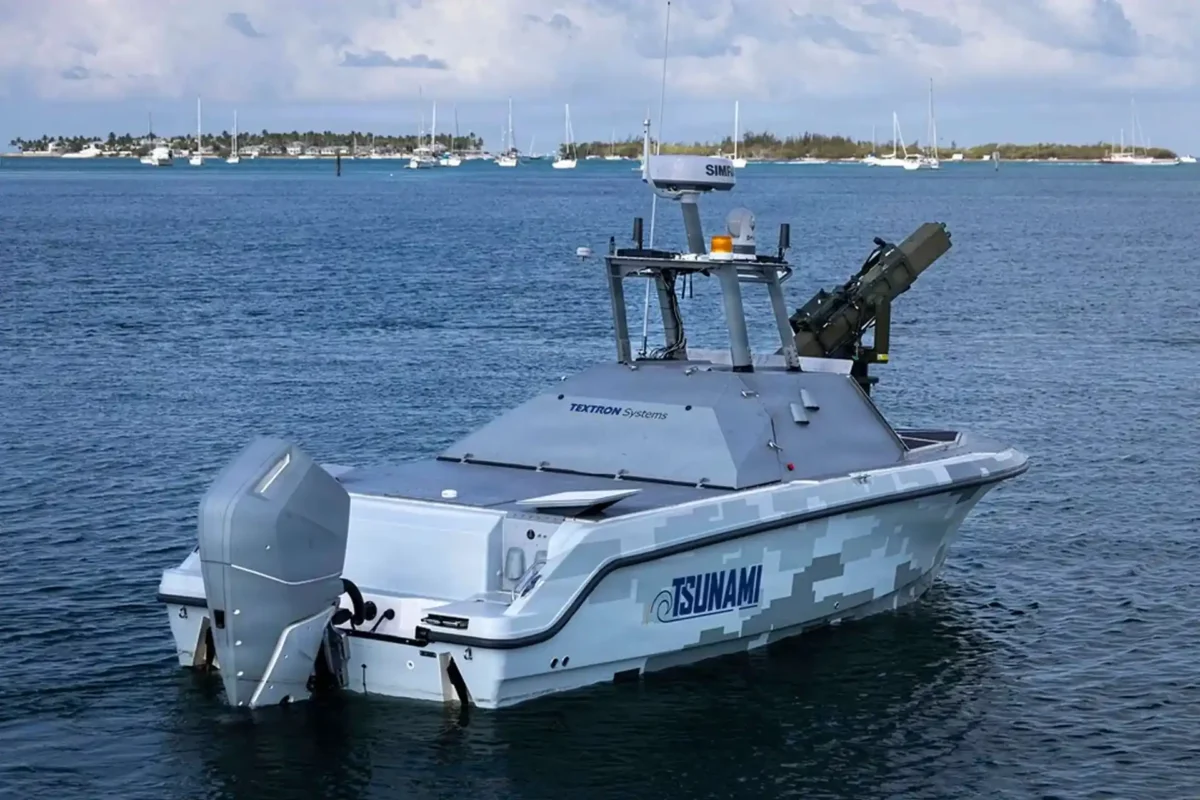
The involvement of U.S. Southern Command highlights how autonomous naval systems are no longer limited to high-end Pacific warfighting scenarios. Instead, the Pentagon is exploring how unmanned platforms can support a broad range of regional operations including border security, anti-trafficking missions and maritime domain awareness.
The Caribbean and surrounding waters remain strategically important due to narcotics trafficking routes, illegal fishing activities and increasing geopolitical competition involving external powers such as China and Russia. Autonomous vessels offer a cost-effective method for expanding surveillance coverage across these vast maritime zones.
Drone boats can remain deployed for extended periods while transmitting intelligence and reconnaissance data back to command centers in real time. This allows naval forces to monitor suspicious activity more consistently without relying entirely on expensive manned patrol vessels or aircraft.
Recent conflicts have also accelerated military interest in uncrewed maritime systems. Ukraine’s use of naval drones against Russian ships in the Black Sea demonstrated how relatively small autonomous platforms can threaten larger conventional naval assets under the right conditions.
Those battlefield lessons are shaping Pentagon procurement priorities. American defense planners increasingly believe future maritime operations will involve networks of autonomous vessels operating alongside destroyers, submarines and crewed aircraft.
The Navy’s growing investment in drone boats aligns with broader Department of Defense initiatives focused on distributed operations, artificial intelligence and resilient battlefield networks capable of functioning in contested environments.
Despite rapid progress in autonomous warfare technology, several operational concerns still surround unmanned maritime platforms.
One of the biggest challenges involves cybersecurity and communications resilience. Uncrewed surface vessels operating in contested waters could face electronic warfare attacks, GPS interference or cyber intrusions aimed at disrupting navigation and mission control systems.
Maintaining secure communications links between operators and autonomous vessels remains a major focus area for the Pentagon. Defense experts have repeatedly warned that future adversaries will likely target unmanned systems through jamming and cyber warfare operations.
There are also ongoing debates regarding operational autonomy and weapons control. While the Navy maintains that human operators remain involved in key engagement decisions, advances in AI-assisted targeting continue raising questions about future battlefield command structures.
Still, momentum behind autonomous naval systems continues to accelerate. The TSUNAMI program demonstrates how the U.S. Navy is steadily expanding the operational role of drone vessels beyond experimental testing and into real-world mission planning.
For the Pentagon, unmanned surface vessels could eventually become a core component of future maritime security operations across multiple regions. For rival powers watching closely, the rapid expansion of U.S. autonomous naval capability signals that the future of naval warfare may increasingly be shaped by fleets of intelligent, networked and highly adaptable unmanned systems.