Follow Us:
Follow Us:

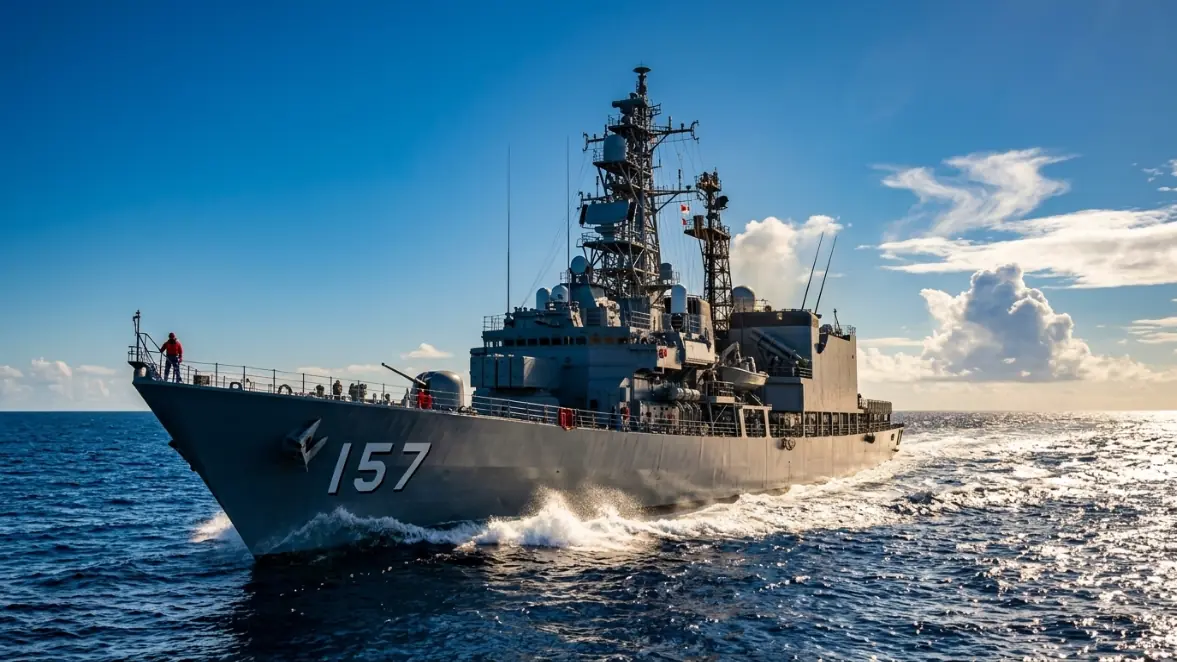
Defense Feeds – Jakarta. The Indonesia Explores Acquisition of Japan’s Asagiri-Class Destroyers initiative could mark a significant development in defense cooperation between Jakarta and Tokyo as both countries expand security collaboration amid growing strategic competition across the Indo-Pacific.
Reports indicate that Indonesia and Japan are discussing the possible transfer of decommissioned or soon-to-be-retired Asagiri-class destroyers from the Japan Maritime Self-Defense Force (JMSDF) to the Indonesian Navy.
If finalized, the arrangement would represent one of the most notable defense equipment transfers between the two nations and provide Indonesia with an opportunity to rapidly enhance its surface warfare capabilities.
The discussions come as Southeast Asian countries increasingly invest in naval modernization programs to address evolving maritime security challenges, including territorial disputes, sea lane protection and regional military competition.
Military analysts believe the potential transfer reflects both Indonesia’s efforts to strengthen its fleet and Japan’s growing role as a security partner in the Indo-Pacific.
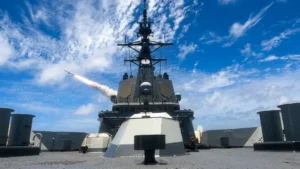
The Asagiri-class destroyers entered service with the Japan Maritime Self-Defense Force during the late 1980s and early 1990s. Designed primarily for anti-submarine warfare operations, the vessels have served as important components of Japan’s maritime defense posture for decades.
Although newer warships are gradually replacing them within the JMSDF, the destroyers still offer capabilities that many regional navies would consider valuable. The ships were built to perform a range of missions including anti-submarine warfare, anti-surface operations and maritime patrol duties.
For Indonesia, acquiring existing destroyers could provide a faster and potentially more cost-effective method of expanding naval capacity compared to launching entirely new shipbuilding programs.
The Indonesian Navy has pursued an ambitious modernization effort in recent years, seeking to improve its ability to safeguard one of the world’s largest maritime domains. With thousands of islands and extensive sea routes under its responsibility, Indonesia requires a diverse fleet capable of operating across vast distances.
Defense observers note that transferring proven warships from allied countries has become a common approach for nations seeking to strengthen capabilities while managing procurement costs.
If an agreement is reached, the destroyers could help fill operational gaps while Indonesia continues investing in future naval platforms.
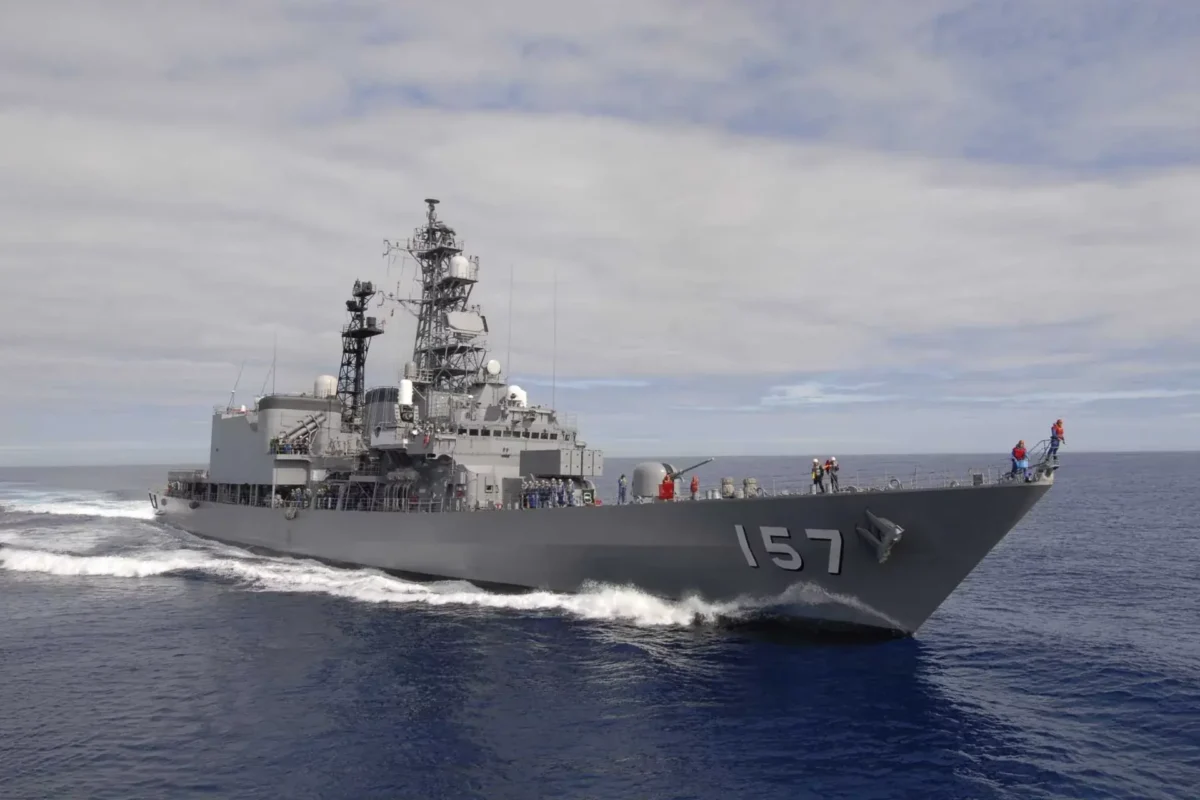
The potential transfer highlights the growing strategic relationship between Japan and Indonesia.
In recent years, Tokyo has expanded security cooperation with several Indo-Pacific partners as part of broader efforts to promote regional stability and strengthen defense partnerships. Indonesia has emerged as one of Japan’s most important security partners in Southeast Asia due to its geographic position and influence within the region.
Both countries share concerns regarding freedom of navigation, maritime security and maintaining stability across critical sea lanes. Increased defense cooperation has included military exchanges, joint exercises and discussions on defense technology collaboration.
The possible destroyer transfer would represent another step in this evolving relationship. Japan has gradually become more willing to support defense exports and equipment transfers under revised security policies aimed at strengthening partnerships with friendly nations.
Military analysts suggest the discussions also reflect a broader trend of like-minded countries seeking closer cooperation in response to changing regional security dynamics.
For Indonesia, strengthening ties with Japan provides access to advanced defense expertise and potential opportunities for future military cooperation.
For Tokyo, supporting Indonesia’s naval modernization aligns with wider efforts to enhance maritime security across the Indo-Pacific.
The discussions surrounding the Asagiri-class destroyers come amid increasing naval modernization efforts throughout Asia.
Countries across the region are investing heavily in warships, submarines, maritime patrol aircraft and coastal defense systems as strategic competition intensifies. Expanding naval capabilities are viewed as essential for protecting maritime interests and maintaining deterrence in contested waters.
Indonesia has been particularly active in pursuing fleet modernization programs designed to improve operational readiness and maritime surveillance. The country’s strategic location astride major international shipping routes makes naval capability a critical component of national defense planning.
At the same time, Japan continues modernizing its own fleet with newer destroyers and advanced maritime systems. This transition creates opportunities for older but still capable vessels to be transferred to partner nations seeking affordable capability upgrades.
Defense experts note that ship transfers can offer significant benefits beyond the platforms themselves. They often lead to expanded training cooperation, maintenance support and deeper operational relationships between participating countries.
While negotiations remain ongoing, the potential acquisition of Asagiri-class destroyers would represent an important milestone in Indonesia’s naval modernization efforts. It would also underscore the increasingly close defense relationship between Jakarta and Tokyo as both nations navigate a rapidly evolving Indo-Pacific security environment.