Follow Us:
Follow Us:

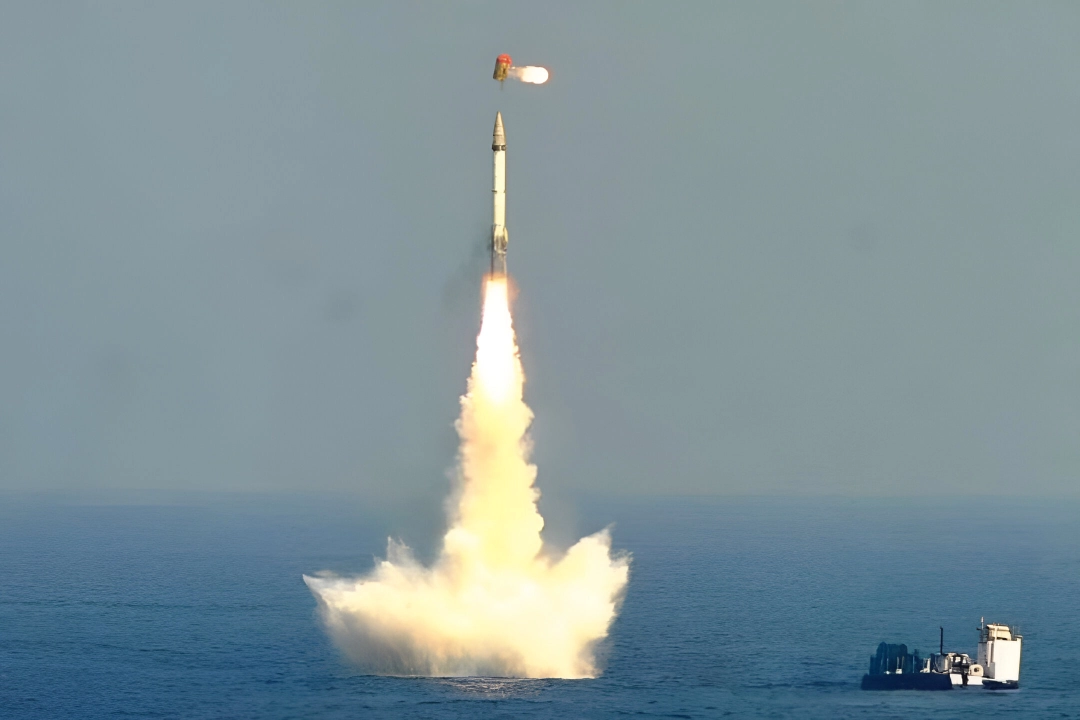
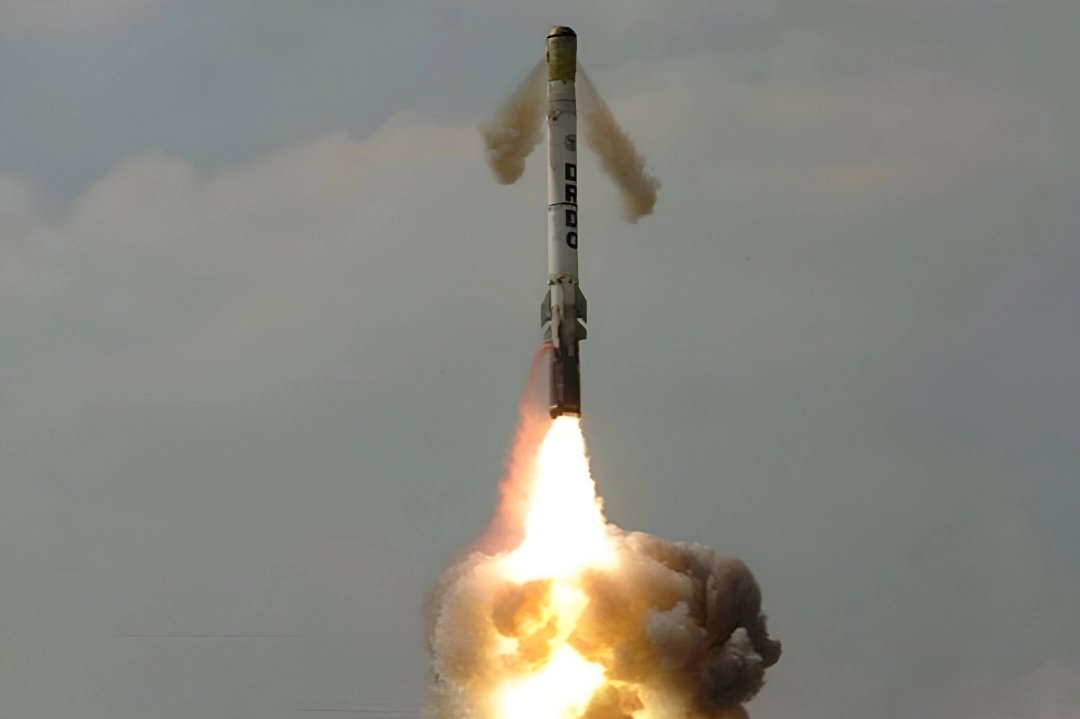
Defense Feeds, New Delhi – India has taken a big step in its naval defense strategy with a successful test of the K-4 intermediate-range ballistic missile. Launched from the nuclear-powered submarine INS Arighaat in the Bay of Bengal this Tuesday the test highlights India’s push to bolster its sea-based nuclear deterrence.
As a professional military analyst this development marks a key milestone in enhancing the nation’s second-strike capabilities amid rising regional tensions.
The trial happened off the coast of Visakhapatnam without an immediate announcement from the defence ministry. Reliable sources confirm it involved the solid-fueled K-4 missile capable of striking targets up to 3,500 kilometers away while carrying a hefty two-tonne nuclear warhead.
This test is vital for strengthening the underwater arm of India’s nuclear triad which already includes robust land and air components.
Experts note that submarine-launched ballistic missile (SLBM) tests like this one require multiple trials to iron out issues. A full evaluation will soon reveal if the launch hit all technical targets or exposed any glitches.
After years of tests from submersible pontoons the K-4 finally made its debut from INS Arighaat back in November last year. This latest firing builds on that progress toward full operational readiness for India’s SSBN fleet.
INS Arighaat India’s second nuclear-powered ballistic missile submarine entered service on August 29 last year under the tri-service strategic forces command. Weighing 6,000 tonnes it represents a leap from its predecessor INS Arihant which became fully operational in 2018 but is limited to shorter-range K-15 missiles with just 750 km reach.
The Arihant-class submarines form the backbone of India’s sea leg in its nuclear triad. Unlike land-based systems or aircraft SSBNs offer the most survivable platform for retaliation under India’s no-first-use policy. They stay hidden underwater making them hard to detect and ideal for credible deterrence against threats from neighbors like China and Pakistan.
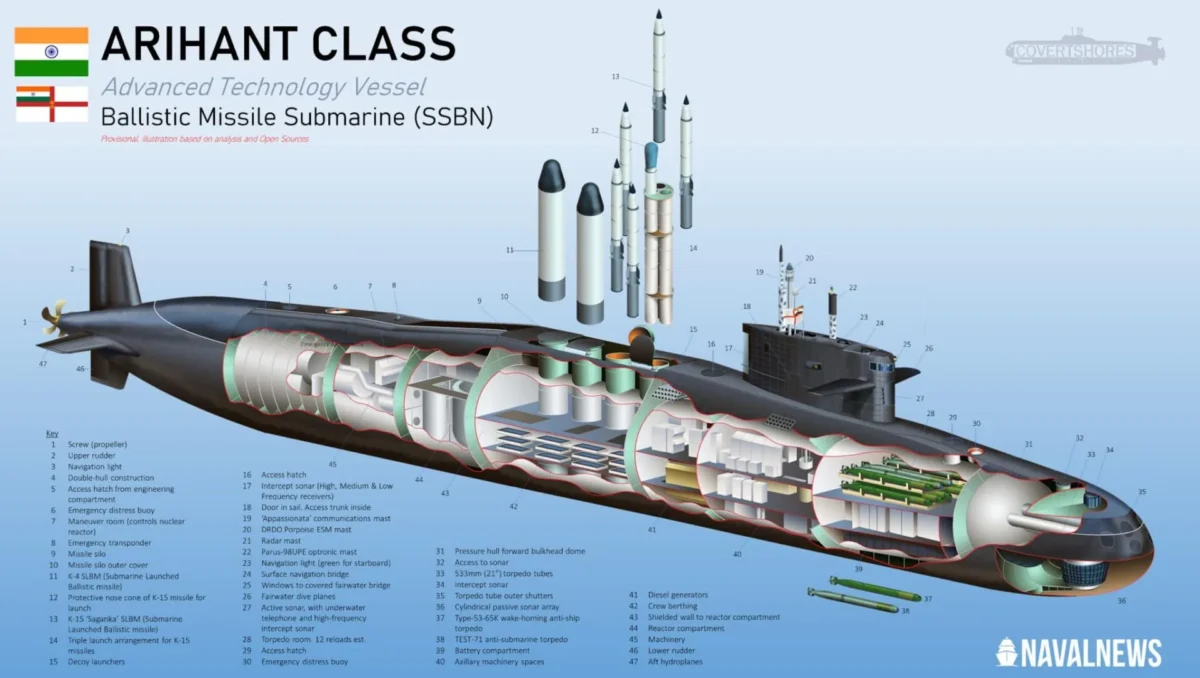
Looking ahead India plans to commission INS Aridhaman its third SSBN in early 2026 followed by a fourth in 2027-28. These newcomers under the secretive Rs 90,000 crore Advanced Technology Vessel (ATV) program will displace 7,000 tonnes each slightly larger than the first pair.
Long-term visions include massive 13,500-tonne SSBNs powered by advanced 190 MW pressurized light-water reactors up from the current 83 MW units. Such upgrades aim to close the size gap with giants like US Ohio-class or Chinese Type 094 submarines which dwarf India’s current fleet at over twice the displacement.
The integration of K-4 SLBMs will dramatically extend India’s underwater strike range. Future K-5 and K-6 missiles in the 5,000 to 6,000 km class promise even greater reach rivaling intercontinental ballistic missiles (ICBMs) fielded by the US Russia and China.
For context Agni-5 already gives India over 5,000 km land-based range while Rafale Sukhoi-30MKI and Mirage-2000 jets handle air-delivered nukes. Yet SSBNs like INS Arighaat provide unmatched stealth and endurance patrolling vast oceans.
This K-4 test from INS Arighaat comes at a tense time in the Indo-Pacific. China’s expanding navy including its Type 096 SSBNs with JL-3 SLBMs poses a direct challenge.
Pakistan’s growing arsenal adds pressure too. India’s submarine-launched ballistic missile tests underscore a commitment to credible minimum deterrence ensuring any aggressor faces devastating retaliation from the deep.
From a military analyst perspective the K-4’s solid-fuel design means quick launches without pre-ignition fueling a huge plus for submerged operations. Its two-stage setup delivers precision guidance vital for hitting high-value targets. Paired with INS Arighaat’s quiet propulsion India now has a patrol-ready SSBN that can loiter for months evading enemy sensors.
Challenges remain however. India’s SSBNs lag in reactor power and hull size limiting patrol duration and missile load compared to superpowers. The ATV program’s delays over decades highlight bureaucratic hurdles but recent commissions signal acceleration.
By 2030 with larger boats and longer-range K-series missiles India could project power across Asia narrowing the gap with top nuclear navies.
These developments also tie into broader deterrence. Land forces boast Agni-series IRBMs and ICBMs while the air force modernizes with stealthy platforms. SSBNs elevate the triad’s credibility as they can’t be preemptively destroyed. As regional arms races heat up India’s Bay of Bengal test reminds foes of its growing underwater might.
In sum this INS Arighaat K-4 launch reinforces India’s strategic posture. It proves the platform’s maturity and paves the way for a more potent nuclear submarine force. Watch for official confirmation and data analysis which could greenlight routine deployments soon.