Follow Us:
Follow Us:


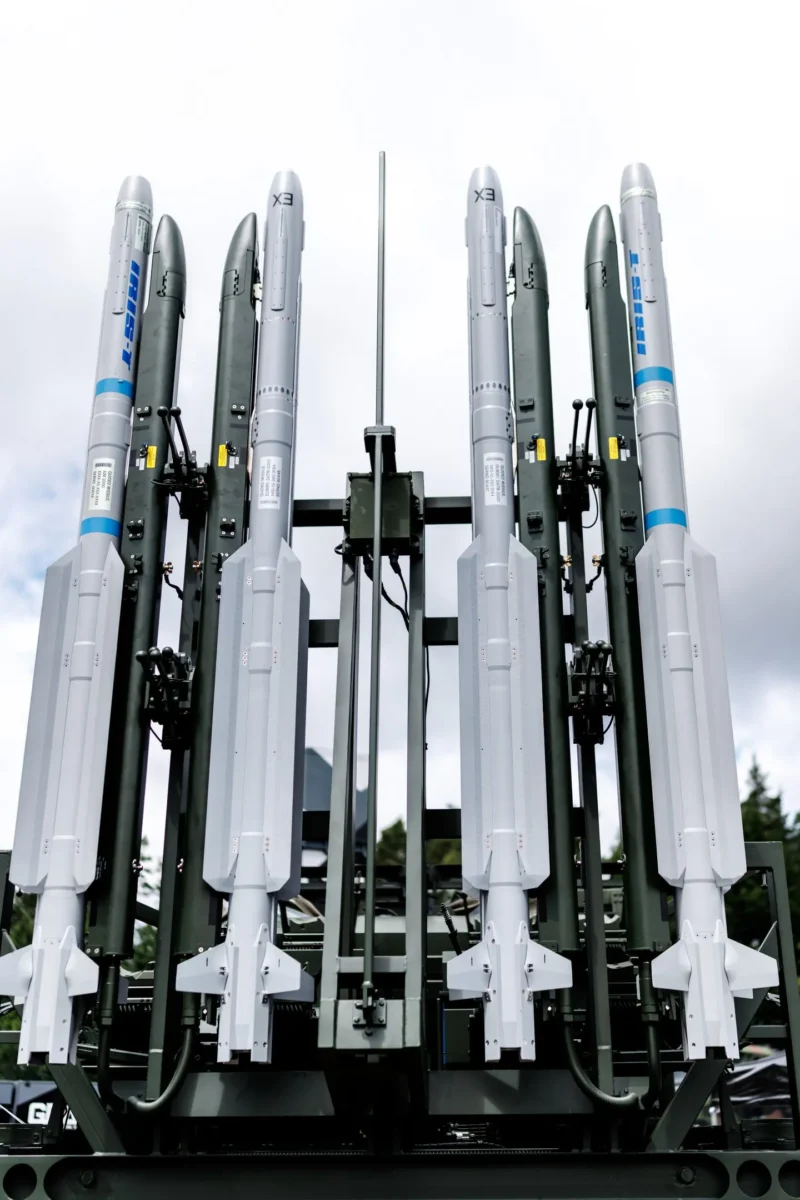
Defense Feeds – Hensoldt Expands IRIS-T Radar deliveries to Ukraine as Germany’s defense industry prepares to step up support for the country’s air defense network before the year ends.
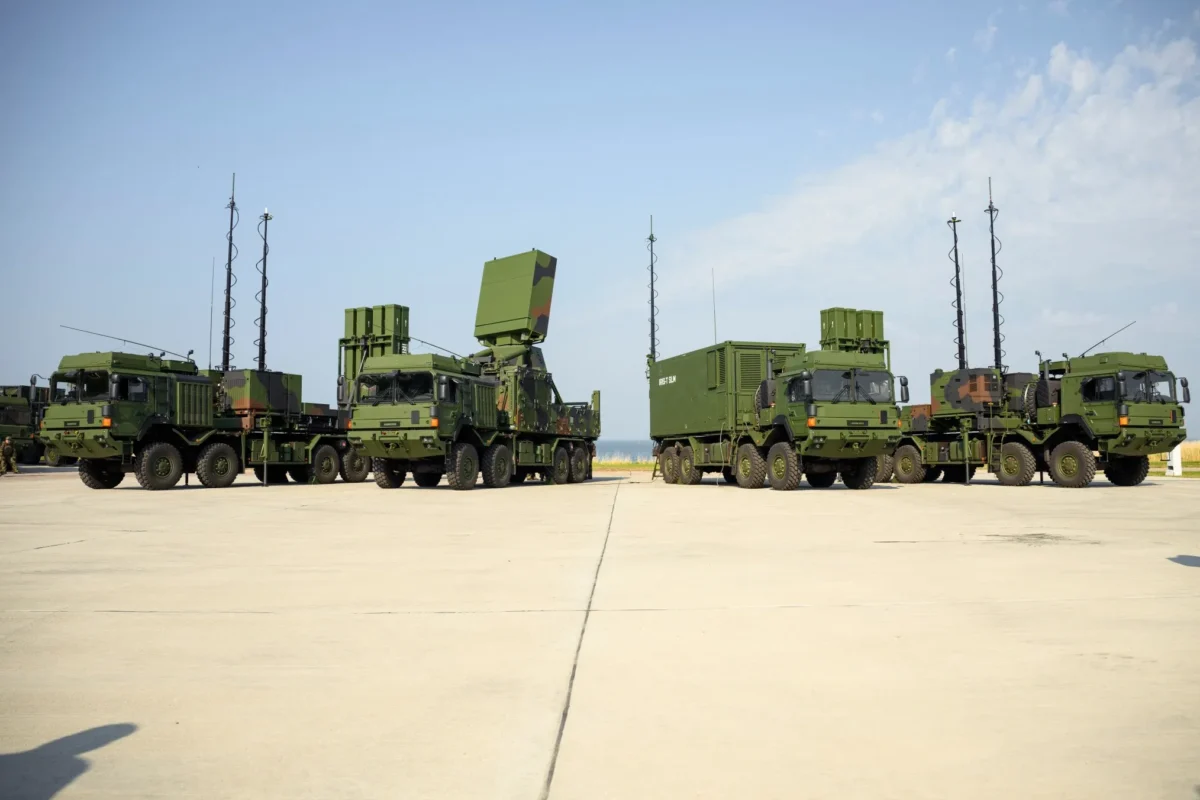
German defense company Hensoldt plans to dispatch more TRML-4D radar units, which serve as vital components of the IRIS-T SLM air defense architecture, to strengthen Ukraine’s aerial monitoring and protection network.
According to the defense outlet Defense Express, Hensoldt executives informed investors that new radar contracts are anticipated before the close of 2025.
The update underscores Germany’s continued commitment to bolstering Ukraine’s modern air surveillance network as the nation faces persistent Russian missile and drone strikes.
The TRML-4D radar is the backbone of the IRIS-T SLM system, known for its precision tracking and early warning functions.
Built on AESA (Active Electronically Scanned Array) technology, the TRML-4D can simultaneously track up to 1,500 targets at ranges reaching 250 kilometers, depending on their size and altitude.
This capability enables Ukraine’s air defense forces to detect and intercept various aerial targets, such as missiles, drones, and aircraft, with faster reaction speeds.
So far, Germany has financed 18 TRML-4D radar systems for Ukraine, with eight already in active service.
An additional 16 radar units operate independently as standalone detection assets, forming part of a growing early warning network spread across the country’s western and central regions.
This integration of linked and standalone radars provides Ukraine’s air defenders with a denser coverage grid, boosting situational awareness and making it harder for incoming Russian assaults to achieve surprise.
Hensoldt’s current contracts for Ukraine total around €500 million, with more agreements potentially worth “tens to hundreds of millions” expected soon.
The company did not specify whether upcoming deliveries would be used exclusively with IRIS-T systems or as individual radar stations tied into Ukraine’s command-and-control network.
Earlier in the year, reports indicated that Hensoldt was preparing Spexer 2000 Mk3 radar units for integration with Skyranger mobile air defense systems under a contract worth around €340 million.
These technologies complement the IRIS-T systems, offering flexible detection and tracking capabilities for both stationary and mobile defense units deployed near front-line regions.
To meet growing demand, Hensoldt aims to scale production of its radar systems to approximately 1,000 units annually by 2027.
Ukrainian contracts are expected to play a key role in that growth, providing the company with stable long-term export momentum while supporting one of Europe’s most urgent defense modernization efforts.
The addition of new German radar systems marks another milestone in Ukraine’s ongoing replacement of Soviet-era detection equipment.
Modern radar coverage is essential for Ukraine’s integrated air defense setup, which now includes a mix of IRIS-T SLM, Patriot, NASAMS, and indigenous systems linked to a unified command network.
In June 2025, Ukraine’s Lviv Air Defense Brigade achieved a record performance when it used the IRIS-T system to intercept seven Russian cruise missiles during a single engagement, outperforming its previous results with the older S-300 complexes.
This achievement demonstrated not only the effectiveness of German-supplied technologies but also the growing experience of Ukrainian crews operating Western air defense platforms.
As 2025 draws to a close, the combination of new TRML-4D radars and upgraded Western air defense systems is shaping a more resilient “invisible shield” over Ukraine.
By improving detection speed and target accuracy, these technologies continue to give Ukrainian forces a valuable edge against persistent aerial threats on all fronts.