Follow Us:

Follow Us:

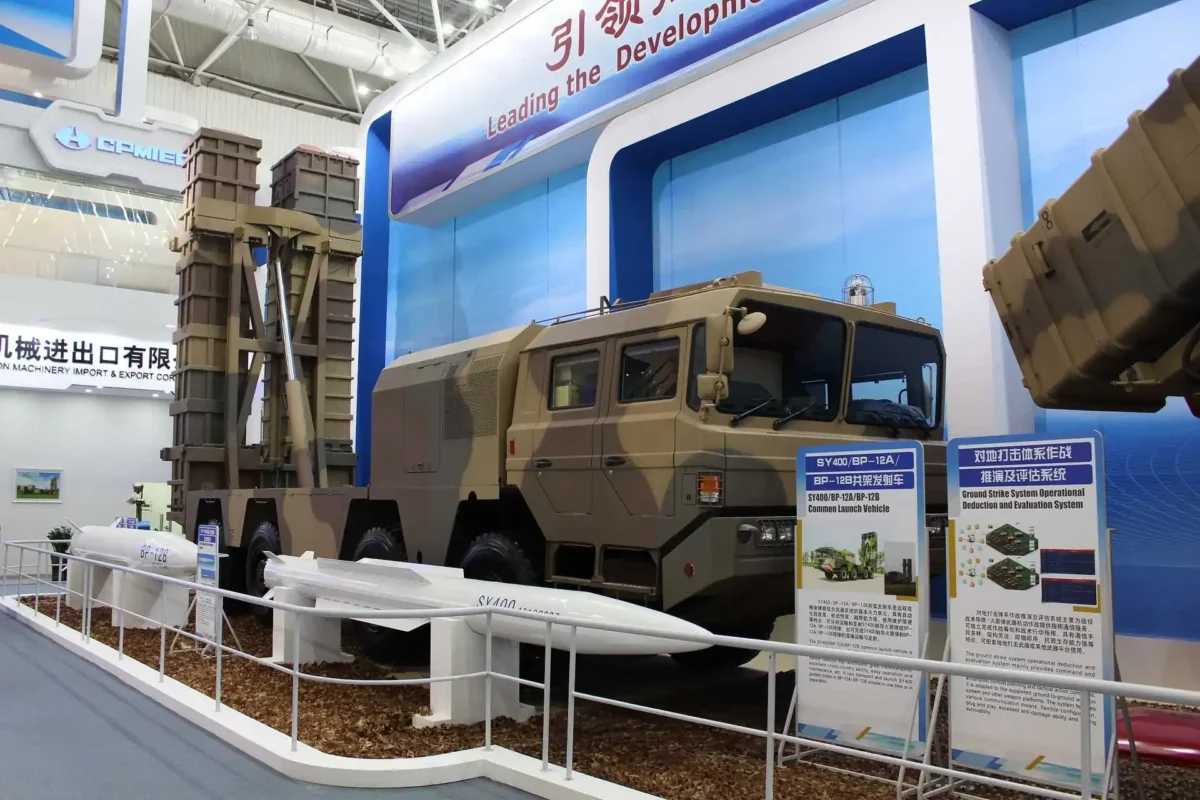
Defense Feeds – The SY-400 Missile acquisition by Bangladesh marks a major step in the country’s Forces Goal 2030 modernization program.
Bangladesh has approved the purchase of China’s SY-400 Missile system to strengthen its precision-strike capabilities and deepen defense cooperation with the Chinese defense industry, particularly the China Aerospace Science and Industry Corporation (CASIC).
According to reports from The Week India on November 2, 2025, the SY-400 Missile will enable Bangladesh to engage strategic targets up to 400 kilometers away, significantly extending its operational reach and deterrence posture.
This move highlights a shift in the Bangladesh Army’s doctrine, moving from a defensive stance toward a more proactive, precision-strike approach.
The SY-400 system, developed by CASIC, bridges the gap between multiple rocket launch systems and tactical ballistic missiles.
Mounted on an 8×8 transporter erector launcher (TEL), it can be configured to fire either eight 400 mm guided rockets or two BP-12A short-range ballistic missiles, depending on mission requirements.
The 400 mm rockets are capable of hitting targets within 180 kilometers, while the BP-12A variant extends that reach to up to 400 kilometers.
Using inertial navigation and satellite guidance, the system achieves a circular error probable (CEP) reportedly below 30 meters when aided by GPS.
SY-400 missiles are cold-launched vertically, improving firing flexibility and reducing wear on the launch vehicle.
Its high mobility, accuracy, and quick deployment offer strong tactical benefits, enabling it to launch and reposition within minutes to evade enemy retaliation.
Various warhead configurations such as high-explosive, fragmentation, and penetration types give Bangladesh diverse options for engaging fortified structures, logistics hubs, or airfields.
Analysts view this acquisition as a step that could reshape the regional power balance in South Asia.
For Bangladesh, the SY-400 adds a deep-strike element that the country previously lacked, allowing it to target high-value enemy assets, disrupt logistics chains, and deny opponents key staging zones far from the front lines.
This modernization aligns with Dhaka’s intention to adopt an active denial strategy, striking threats before they reach its territory.
The system strengthens deterrence against conventional invasions and provides leverage in countering hybrid or asymmetric threats near its borders.
Neighboring India is expected to closely analyze the move, given the missile’s Chinese origin and 400 km range, which potentially covers strategic Indian installations near the border.
For the United States and other Indo-Pacific partners, Bangladesh’s growing reliance on Chinese weaponry could complicate future defense cooperation and interoperability efforts.
The deal underscores China’s expanding defense footprint in South Asia, signaling an intensifying competition with Western and regional powers for influence.
Bangladesh now joins several Asian nations incorporating Chinese precision-strike platforms into their arsenals, highlighting Beijing’s increasing reach in the region’s arms trade.
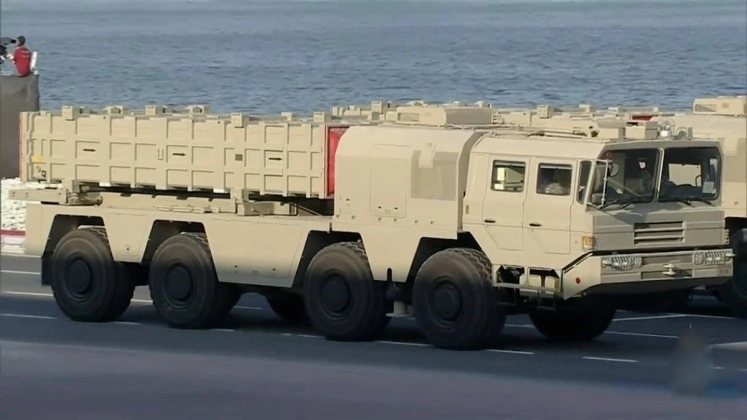
To fully utilize the SY-400’s capabilities, Bangladesh must invest in support infrastructure such as radar coverage, satellite links, and real-time command systems for precise coordination.
Effective use also requires robust battlefield surveillance through reconnaissance drones and secure communication channels.
Experts suggest that Chinese technical support will likely include training, spare parts, and logistics assistance, though such dependence could expose Bangladesh to potential supply-chain vulnerabilities in the long term.
However, the strategic benefits of enhanced precision-strike capability are considerable, especially for a nation seeking to modernize its armed forces while maintaining regional balance.
Bangladesh’s decision to acquire the SY-400 missile system represents a calculated effort to build credible deterrence and strengthen its role as a rising military power in South Asia.
As deliveries and integration proceed, the move will likely reshape defense planning across the region and redefine Dhaka’s strategic profile for the coming decade.