Follow Us:
Follow Us:

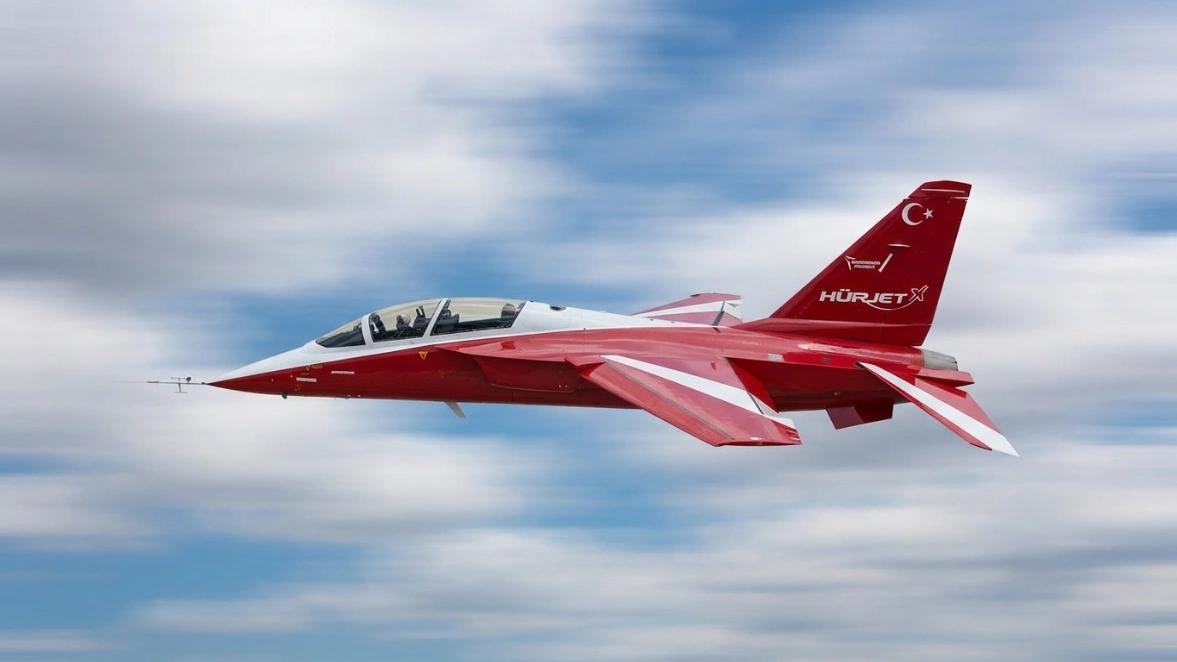
Defense Feeds, Ankara — Türkiye HÜRJET carrier jet program strengthens naval aviation goals as Ankara moves forward with plans to develop a carrier-capable version of the HÜRJET advanced jet trainer and light combat aircraft for future operations aboard the planned MUGEM aircraft carrier. The initiative reflects Türkiye’s growing ambition to expand indigenous naval aviation capability and strengthen domestic defense production across multiple military sectors.
The navalized HÜRJET is expected to become a central component of Türkiye’s future carrier aviation strategy. Designed to operate from short-deck aircraft carriers and naval platforms, the aircraft would provide the Turkish Navy with a domestically developed fixed-wing combat aviation capability. The move also highlights Türkiye’s broader push toward defense independence and advanced aerospace development.
The future MUGEM aircraft carrier program represents one of the country’s most ambitious naval modernization projects. Combined with the HÜRJET naval fighter, the project signals Ankara’s intent to expand maritime power projection capability and strengthen operational flexibility in surrounding regions.
The HÜRJET was originally developed as an advanced jet trainer and light attack aircraft intended to replace aging training platforms while supporting combat operations when required. Developing a carrier-capable variant significantly expands the aircraft’s potential operational role.
Naval aviation presents unique technical challenges compared to conventional land-based aircraft operations. Carrier-capable jets require reinforced landing gear, structural strengthening and specialized systems to handle short takeoff and arrested landing operations aboard ships.
A navalized HÜRJET would allow Türkiye to operate fixed-wing combat aircraft from the future MUGEM carrier, improving maritime air defense, reconnaissance and strike capability. This would significantly increase operational reach across strategic maritime zones.
The aircraft could also support pilot training for carrier aviation operations. Establishing a domestic naval aviation ecosystem requires not only combat aircraft but also long-term pilot development and operational infrastructure.
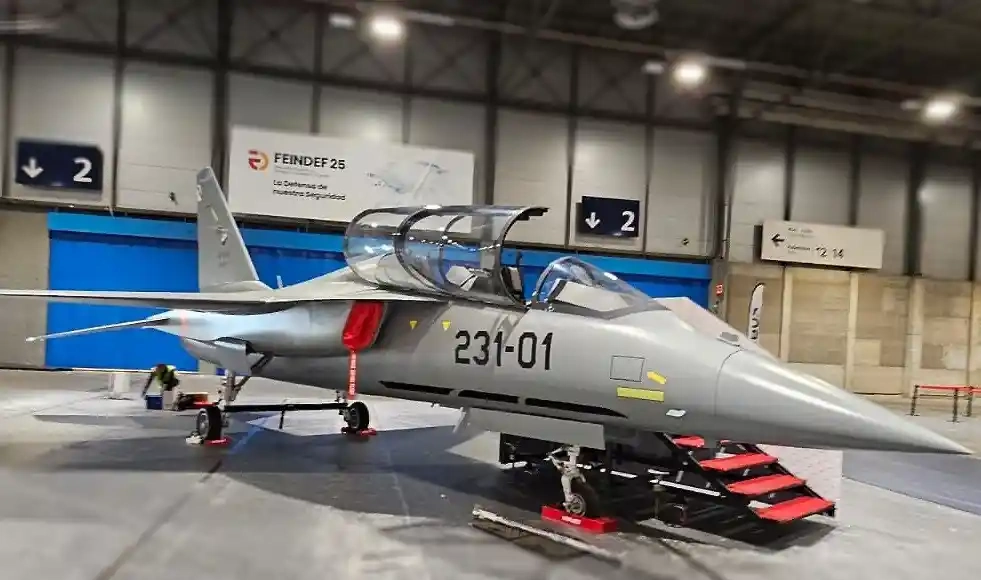
Türkiye’s future MUGEM aircraft carrier project reflects broader ambitions to strengthen naval power projection and maritime presence. The carrier is expected to provide expanded operational capability for both manned and unmanned aircraft in future naval operations.
Modern aircraft carriers serve as mobile airbases capable of supporting surveillance, strike missions and maritime security operations far from national territory. For Türkiye, such capability would enhance flexibility across the Mediterranean, Black Sea and surrounding regions.
The MUGEM project also demonstrates Türkiye’s growing confidence in domestic shipbuilding and defense production. Developing both the carrier and its future aircraft domestically supports long-term strategic independence while strengthening national industrial capability.
Carrier aviation additionally supports integrated naval operations involving drones, helicopters and surface combatants. Türkiye has already invested heavily in unmanned systems, and the future carrier could potentially operate alongside advanced naval drones in coordinated missions.
In addition, naval air power plays an increasingly important role in modern deterrence strategies. Aircraft carriers provide rapid deployment capability and operational presence during both peacetime and crisis scenarios.
The HÜRJET naval fighter initiative highlights the growing strategic importance of indigenous aerospace development within Türkiye’s defense planning. Ankara has steadily expanded investment in locally developed aircraft, drones, missiles and naval systems over the past decade.
Reducing reliance on foreign suppliers has become a major defense objective. Domestic programs provide greater flexibility in procurement, upgrades and operational deployment while minimizing exposure to export restrictions or political limitations.
Developing a carrier-capable aircraft also strengthens Türkiye’s position within advanced aerospace manufacturing. Naval aviation platforms require high levels of engineering expertise and technological integration, making them among the most demanding defense projects.
The project may also create future export opportunities if the aircraft proves operationally successful. Many countries are seeking affordable and adaptable naval aviation solutions as global interest in light carriers and drone-capable ships continues to grow.
At the same time, developing carrier aviation capability remains highly complex and resource-intensive. Aircraft integration, pilot training and carrier operations require extensive testing and long-term investment before full operational readiness can be achieved.
Looking ahead, the combination of the HÜRJET naval fighter and the MUGEM aircraft carrier could significantly reshape Türkiye’s maritime aviation capability. The initiative reflects how regional powers are increasingly investing in domestic defense technologies to strengthen strategic flexibility and long-term military independence.
As naval competition and technological innovation continue to accelerate globally, carrier-capable aircraft and integrated naval aviation systems are expected to play a growing role in future maritime operations. Türkiye’s HÜRJET program represents another step in that broader transformation of modern naval warfare.