Follow Us:
Follow Us:

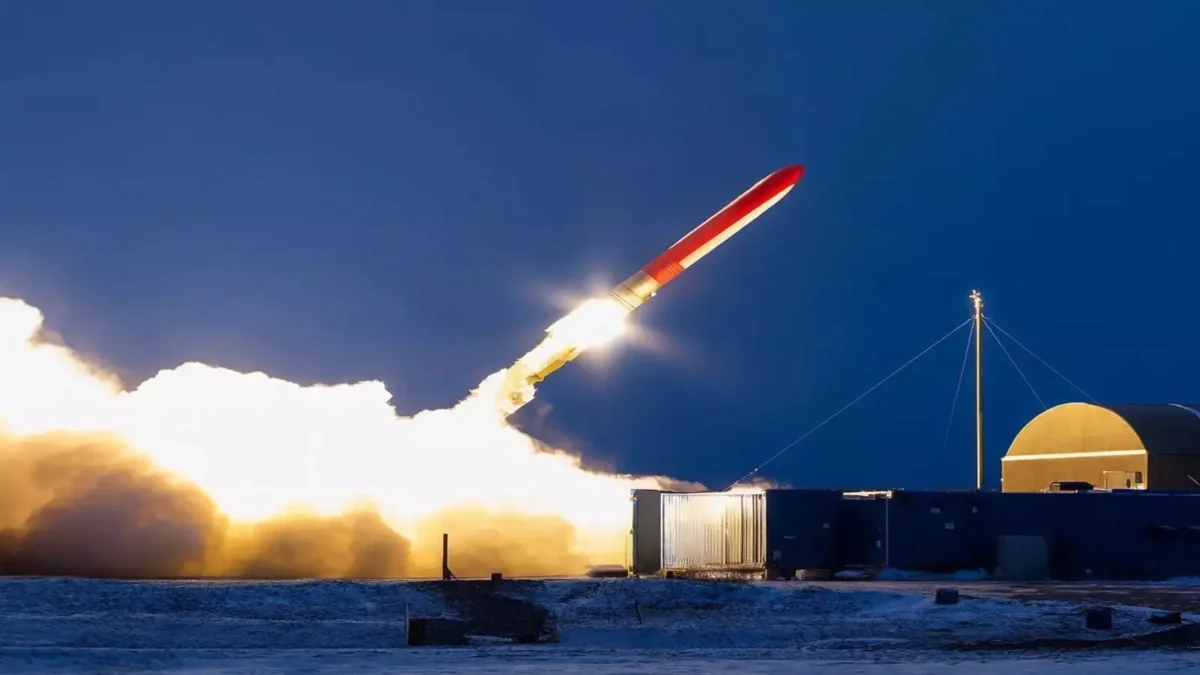
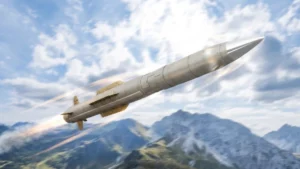
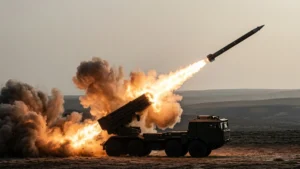
Defense Feeds – Russia launches nuclear Burevestnik missile in a test from its Arctic site. Known to NATO as the SSC-X-9 Skyfall, this long-range cruise missile was confirmed by Norway’s intelligence chief, revealing new details about Russia’s advanced weapon system amid growing global security concerns.
This missile test underscores Russia’s efforts to develop strategic weapons designed to evade current missile defense systems.
On October 27, Norway’s Vice Admiral Nils Andreas Stensoenes, the head of Norway’s Intelligence Service, verified that Russia undertook a test launch of the Burevestnik missile from Novaya Zemlya, a remote Arctic archipelago in the Barents Sea.
The news came shortly after Russia announced on October 26 that the missile was successfully tested but did not reveal the launch location at the time.
General Valery Gerasimov, chief of Russia’s armed forces General Staff, informed Russian President Vladimir Putin that the missile flew approximately 14,000 kilometers (around 8,700 miles) during a 15-hour flight.
This extended range, combined with its nuclear propulsion, allows the missile to operate for an unprecedented duration and distance, making it difficult to track or neutralize.
Moscow promotes the Burevestnik as a game-changing weapon with “almost unlimited range” and an “unpredictable flight trajectory.”
According to Russian officials, these capabilities make it impervious to current and foreseeable missile defense systems.
Putin underscored the missile’s uniqueness by calling it a weapon “no one else in the world” possesses, emphasizing its strategic value in enhancing Russia’s nuclear deterrent.
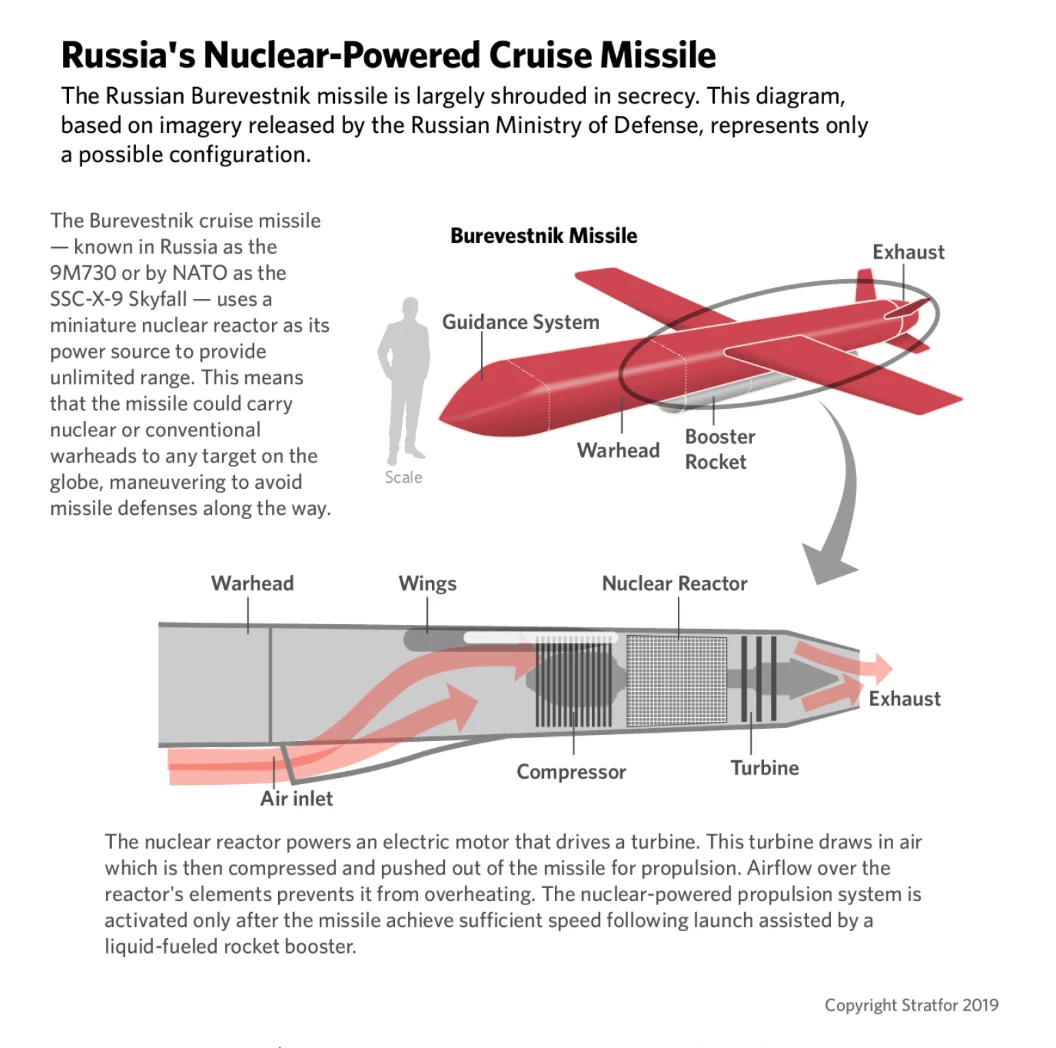
The recent test of the nuclear-powered Burevestnik cruise missile reflects Russia’s growing ambition to enhance its strategic weapons arsenal with technologies that can penetrate or bypass modern air and missile defense networks.
The Burevestnik’s nuclear propulsion allows it to stay airborne for extended durations, potentially altering its course midflight and flying under radar coverage, making detection and interception extremely difficult.
This capability marks a major step in Moscow’s pursuit of deterrence dominance and signals a shift in the global balance of long-range strike capabilities.
Defense analysts see this missile as part of Russia’s broader effort to counter Western missile defense systems and extend its strategic reach across continents.
The launch conducted from Novaya Zemlya in the Arctic highlights Russia’s ongoing effort to strengthen its military presence in the far north, an area seen as vital for emerging trade routes and natural resource control.
Conducting such tests in harsh polar conditions demonstrates not only Russia’s technological resilience but also its intent to assert military presence in this geopolitically significant area.
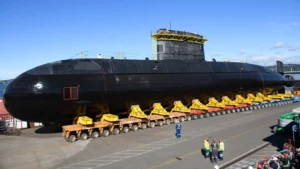
In response to Russia’s missile advancement, U.S. President Donald Trump has emphasized American strategic readiness, mentioning that the United States maintains “the most powerful nuclear submarine in the world” positioned close to Russia’s coastline.
This statement signals a direct counterbalance to Moscow’s nuclear posture, underlining the continuous nuclear arms race between the two powers.
President Trump also called on Russian leadership to halt the conflict in Ukraine rather than focus resources on testing and promoting new missile technologies.
This remark reflects ongoing tensions surrounding Russia’s military actions and geopolitical ambitions, which continue to draw sharp international scrutiny.
The introduction of the Burevestnik missile into Russia’s arsenal adds a new dimension to global arms competition, especially in areas like missile defense and nuclear deterrence strategies.
Its testing from the Arctic region, confirmed by Norwegian intelligence, acts as a reminder of the volatile security environment and the critical need for continued vigilance and strategic assessments among NATO and allied nations.