Follow Us:
Follow Us:

It might feel like everyone talks about military power in abstract terms, “big army,” “high tech,” “strong navy,” but when you actually look at how strong is South Korea’s military today, you end up in this interesting mix of hard realities and cautious optimism.
On the one hand, Seoul’s armed forces are still widely respected for their capabilities, particularly given their arsenal, training, and strategic partnership with the United States.
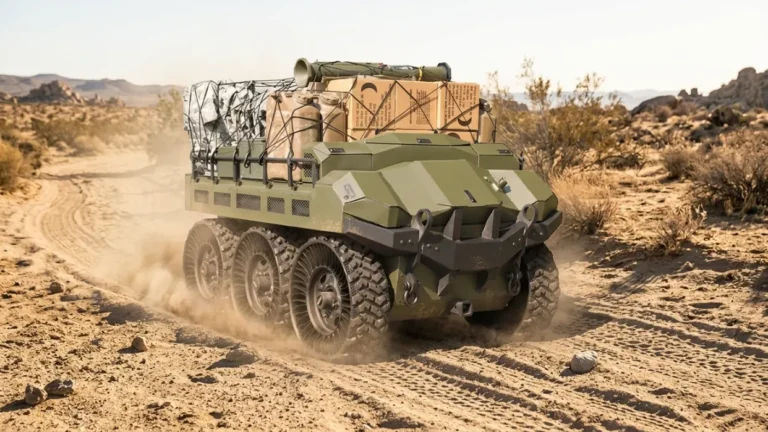
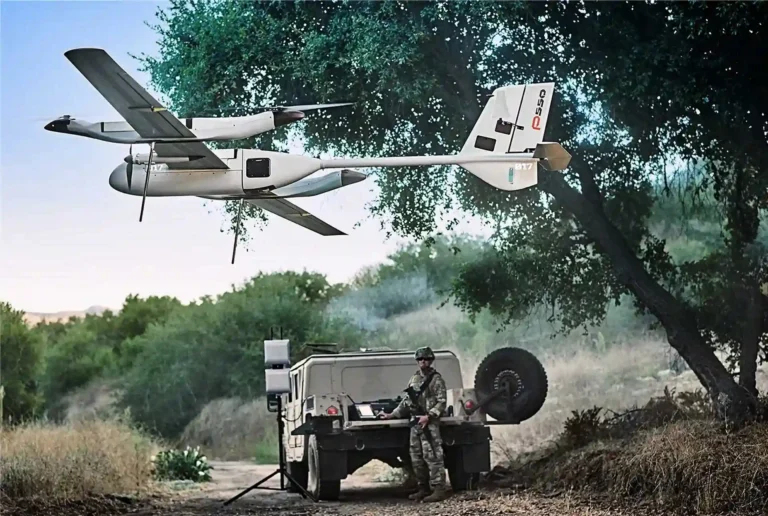
The South Korean armed forces are actively modernizing, with pushes into unmanned systems and new high-tech weaponry, and defense spending continues to trend upward as regional tensions simmer.
Experts have noted that South Korea is quietly building a reputation as a major defense player and innovator in advanced military equipment.
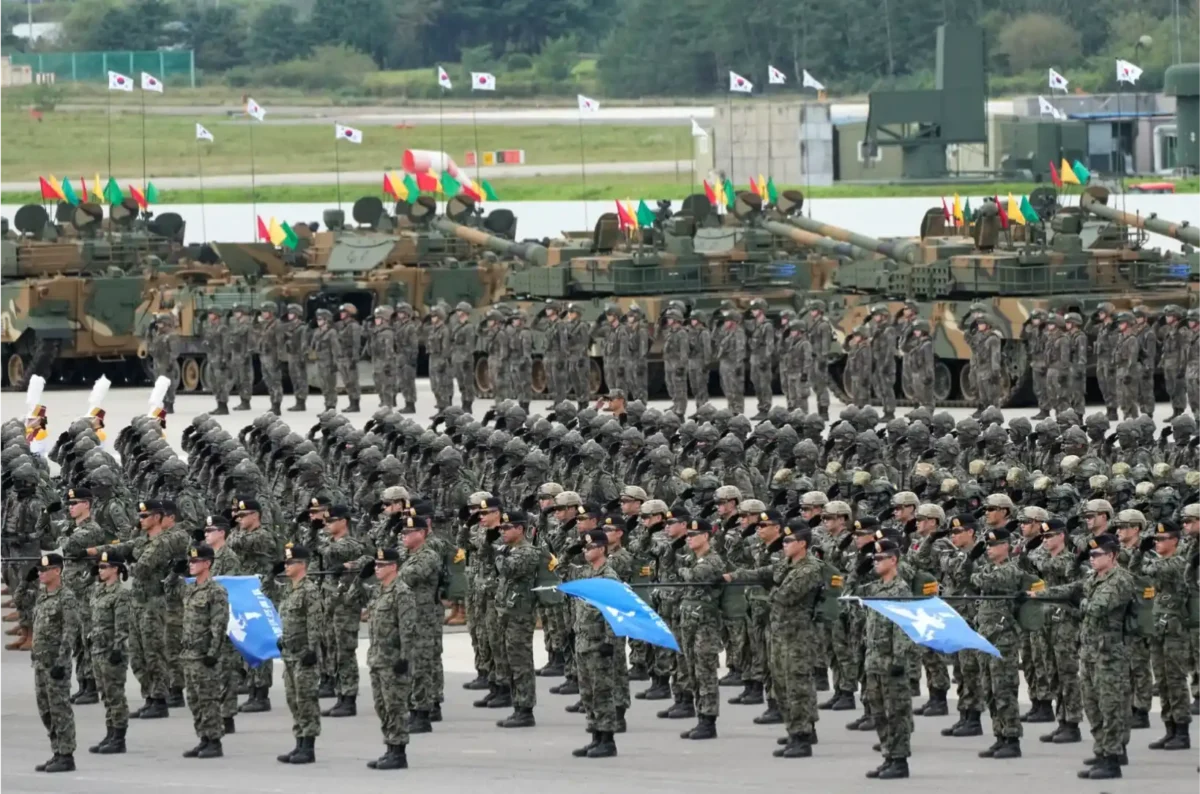
But on the other hand, it’s not all smooth sailing. There are some pretty real challenges like demographic shifts causing a shrinking pool of conscripts and fresh recruits, which has led to a noticeable drop in active military personnel over the past few years.
That demographic squeeze is something a lot of analysts hedge on when talking about South Korea’s military strength in the decades ahead.
And you can’t talk about South Korea’s defense without mentioning the unpredictable neighbor to the north.
Just today, North Korea announced test launches of long-range cruise missiles, a move that underscored how dynamic and potentially volatile the security environment remains on the peninsula. So, “How powerful is South Korea’s military really?”
When you zoom out and look at South Korea’s military power, it’s fair to say the Republic of Korea Armed Forces punch a bit above their weight. Their core role is pretty clear-cut on paper; to deter North Korea, defend the peninsula, and be ready to fight alongside allies if things go south. But in reality, it seems a bit broader than that.
Read also: How Strong is the North Korean Military Today?
Over time, the ROK Armed Forces have gradually turned into a fairly modern, tech-focused force, with a lot of emphasis on training and coordination with the U.S., which many analysts would say is a big part of their strength.
Strategically, South Korea sits in a tricky but influential spot in East Asia. It’s right between major powers like China, Japan, and Russia, while facing an immediate threat from the North. That geography arguably forces Seoul to stay sharp.
Because of that, South Korea’s military strength isn’t just about self-defense anymore. It appears to play a quiet stabilizing role in the region, signaling that South Korea can hold its own while contributing to broader regional security, at least to some extent.
| Category | Estimated Number | What it means |
Active-duty personnel | est. total ~450,000 | This includes the army, navy, air force, marines, and it’s been trending downward from past highs (~563,000 in 2019). |
| Army (largest branch) ~365,000 | Still, the backbone is mainly focused on the North Korean threat. | |
| Navy and Marines~70,000 | Growing in importance due to maritime security and power projection. | |
| Air Force ~65,000 | Smaller in manpower, heavier on technology. | |
| Planned future active cadre | ~350,000 (projected by 2040) | The Ministry of Defense expects continued declines due to demographic trends. |
| Total force, including outsourced / support roles | ~500,000 (target) | Some roles traditionally in uniform may be filled by outsourced civilian or reserve personnel to keep the functional force near half a million. |
| Reserve forces | ~3.1 million+ | South Korea maintains a large reserve pool that can be mobilized in a crisis. |
So, South Korea’s active military size sits at around 450,000 soldiers, which is still quite large by global standards, even though it’s gradually shrinking. The real depth comes from the huge reserve pool, built up over decades of conscription.
That leads straight into the mandatory military service system, which arguably defines how South Korea maintains its numbers. Most able-bodied men are required to serve, usually around 18–21 months, depending on the branch, which creates a steady flow of trained personnel.
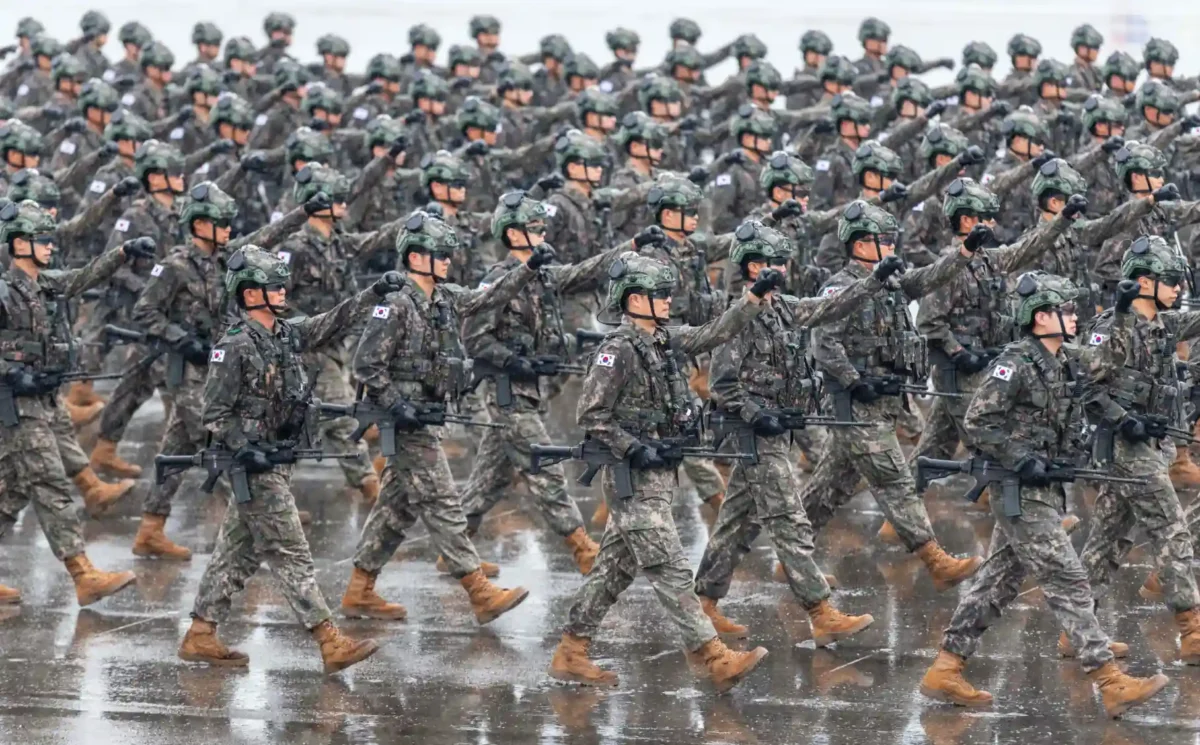
On the plus side, this keeps the reserve forces massive. On the downside, it does mean constant turnover, so experience levels can be a bit uneven.
As for training and readiness, most analysts tend to agree that South Korea takes this seriously. Active units train regularly, and joint exercises with allies, especially the U.S., help keep readiness relatively high.
Still, some observers hedge that a conscription-heavy force may struggle with long-term specialization compared to fully professional militaries.
So, if you look at the trend, South Korea’s defense spending has been gently creeping upward over time, with occasional bigger jumps, like the planned 2026 increase of around 8-plus percent, which would be the largest since around 2019.
The country’s total puts it roughly in the same neighborhood as some other advanced economies, enough that it ranks around 11th globally in defense spending.
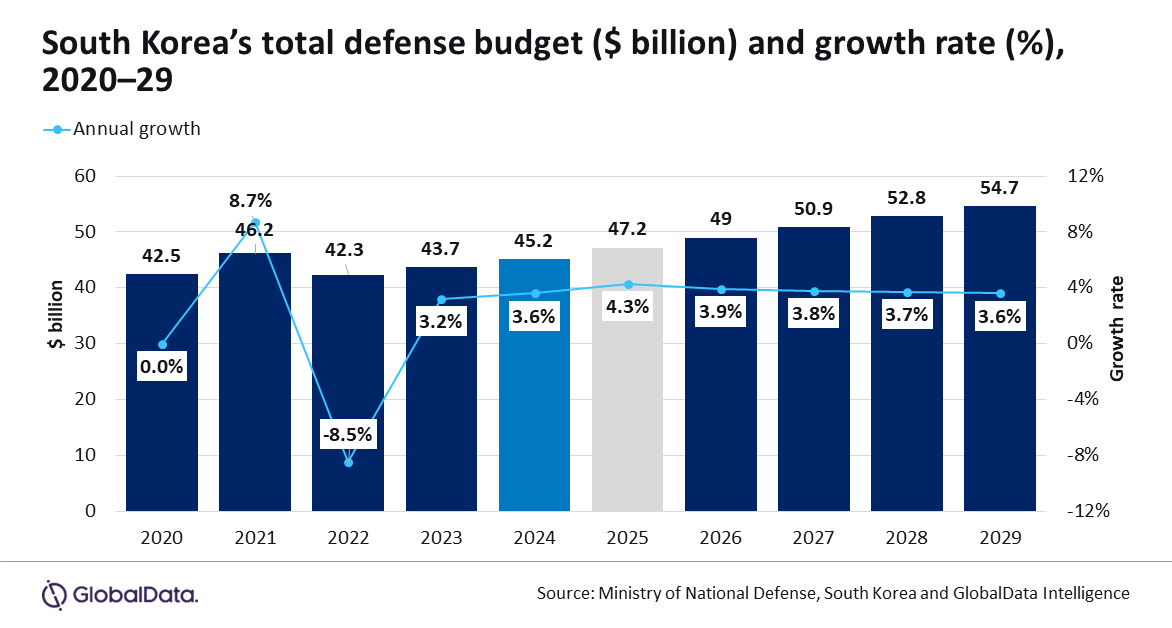
In raw dollar terms, Seoul spends far less than giants like the United States or China, which isn’t really surprising. But compared to nearby peers like Japan, South Korea holds its own.
Read also: How Strong Is China’s Military Today?
Where the money goes arguably matters more than the headline number, and this is where modernization comes in. A decent chunk of recent increases has been aimed at:
So how should you actually think about South Korea’s military spending overall? A reasonable takeaway might be that it sits in a kind of middle ground. It’s not throwing money around at superpower levels, but it’s also clearly investing more than the minimum needed to get by.
The budget trends suggest a country that’s trying to be realistic, spending enough to deter threats, modernize its forces, and contribute to regional stability, while still being mindful of economic limits.
When people talk about South Korea’s military equipment and technology, this is usually where the conversation shifts from “pretty capable” to “actually impressive.”
Starting with the army, South Korea fields one of the strongest ground forces in the region. Its armored units are centered around modern main battle tanks like the K2 Black Panther, which is often described as highly advanced, at least on paper, with strong firepower, protection, and mobility.
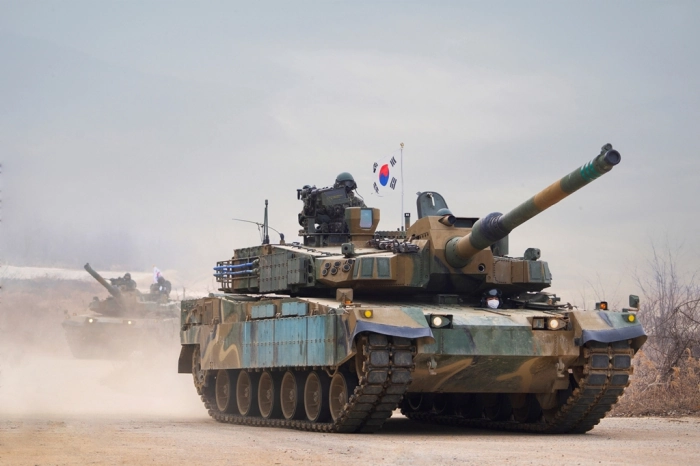
Artillery is another big pillar; South Korea operates a large number of self-propelled howitzers, most notably the K9 Thunder, which has gained international attention through exports.
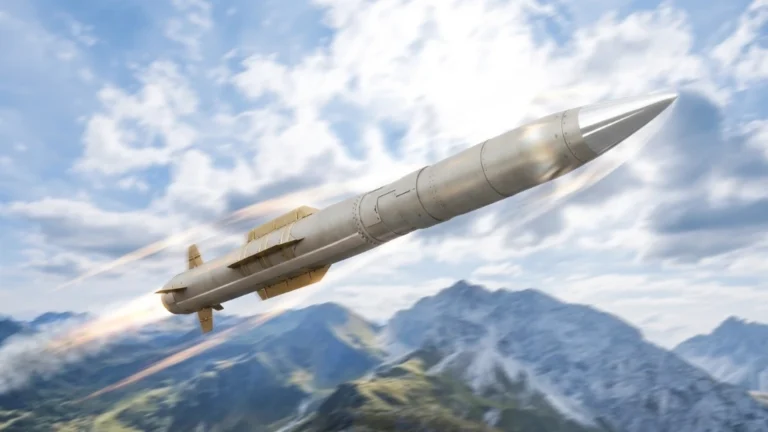
Add to that a growing arsenal of ballistic and cruise missiles, and it’s fairly clear the army is built around rapid, high-intensity firepower rather than slow, attritional warfare.
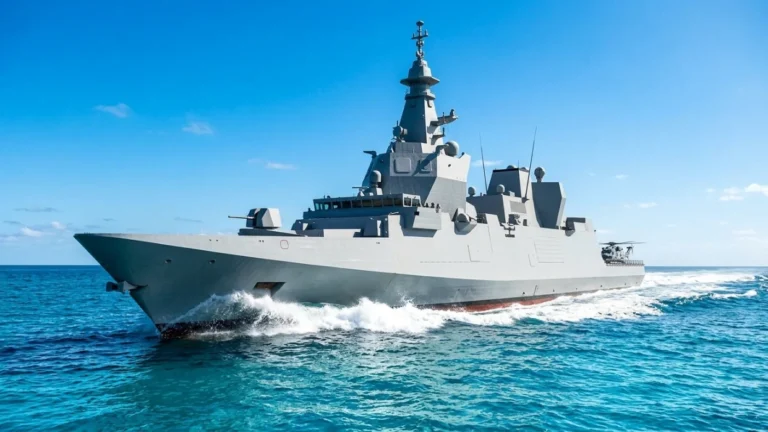
The navy is where South Korea’s expanding ambitions really show. It’s no longer just a coastal defense force; it’s increasingly a blue-water navy in practice, if not fully in name.
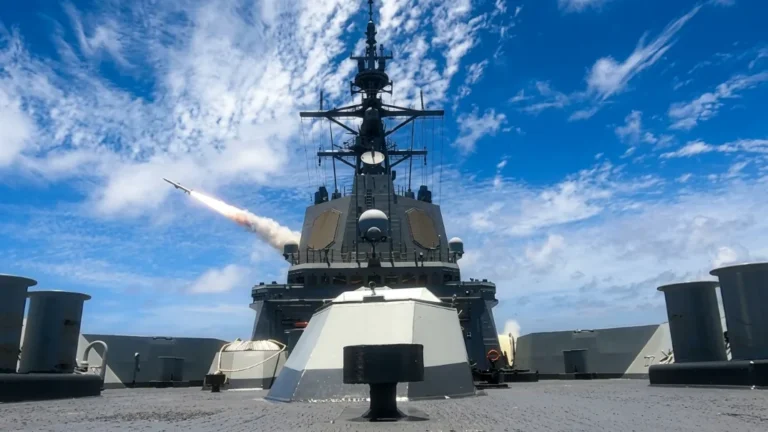
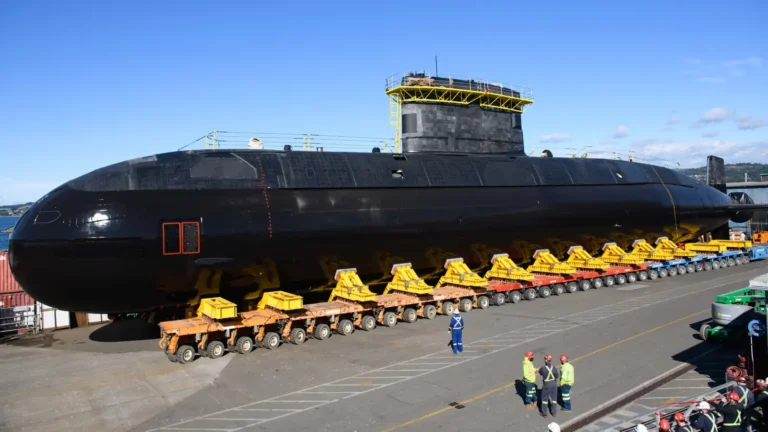
The fleet includes modern destroyers equipped with Aegis combat systems, giving South Korea strong air- and missile-defense capabilities at sea. Its submarine force, including newer domestically built boats, adds a quieter but very real layer of deterrence.
As for the air force, this is arguably one of South Korea’s strongest cards. It operates a mix of advanced fighter jets, including F-35 stealth aircraft, alongside upgraded domestic and foreign platforms.
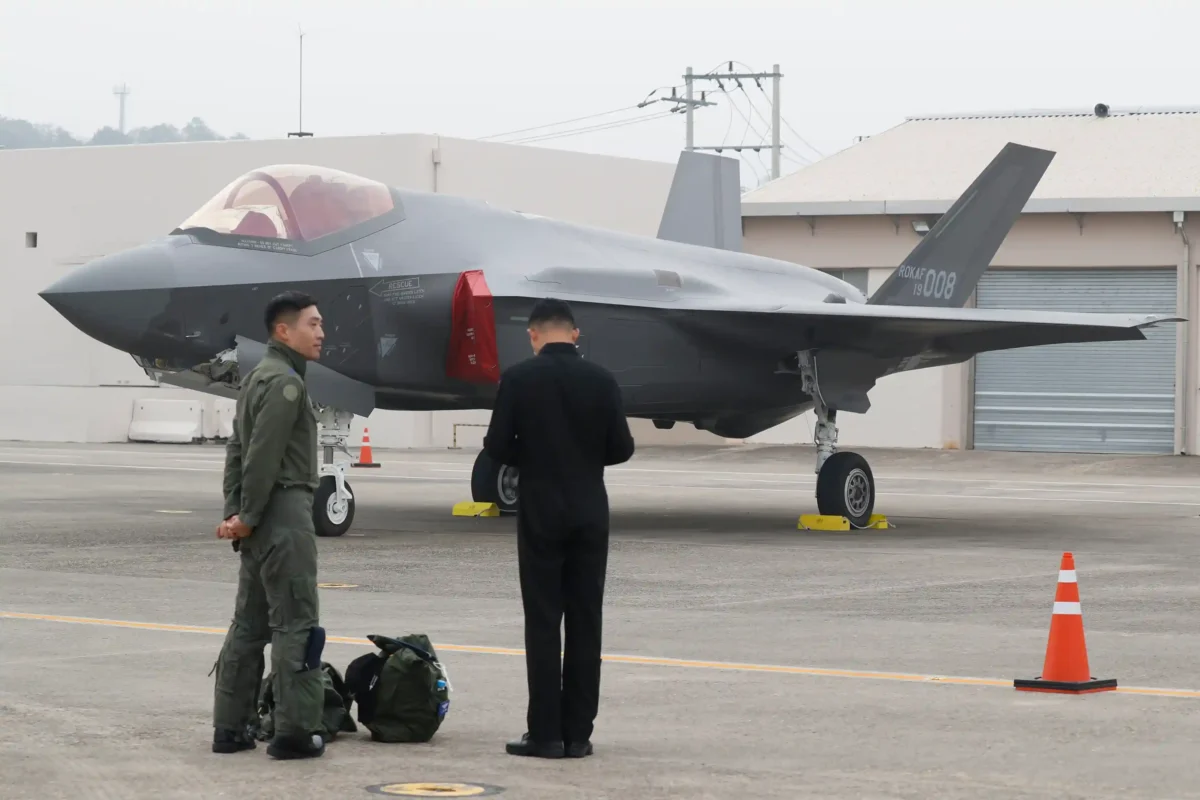
These are backed by increasingly sophisticated radar and missile defense systems, aimed largely at countering North Korean missile threats. While no air defense network is ever perfect, South Korea’s layered approach suggests a serious investment in early warning, interception, and survivability.
What really ties all of this together is South Korea’s indigenous defense industry. Over the past couple of decades, the country has steadily reduced its reliance on foreign suppliers by developing tanks, artillery, warships, missiles, and even fighter aircraft at home.
Companies like Hyundai Rotem, Hanwha, and Korea Aerospace Industries now play a major role not just domestically, but globally through exports. It’s not that South Korea is fully self-sufficient yet, but it increasingly looks like a country that can design, build, and upgrade much of its own military hardware, which, strategically speaking, is a pretty big deal.
When it comes to alliances and strategic partnerships, South Korea’s military strength is really hard to separate from its relationship with the United States.
The U.S.–South Korea military alliance has been in place for decades, and it still forms the backbone of South Korea’s deterrence strategy. With tens of thousands of U.S. troops stationed on the peninsula, the message is pretty clear: any serious aggression would trigger a combined response, not just a local one.
That partnership shows up most visibly in joint military exercises, which happen regularly and tend to focus on everything from missile defense to large-scale combat scenarios. These drills were meant to keep forces interoperable and signal readiness, especially to North Korea.
Beyond the peninsula, South Korea also plays a growing role in regional and global security, contributing to peacekeeping, maritime security, and defense cooperation with partners like Japan and NATO members.
So, what is the military rank of South Korea in the world? That’s usually the first question people ask when they want a quick, simple answer, and, honestly, the answer depends a bit on who’s doing the ranking.
Across most major defense indexes, South Korea tends to land comfortably in the global top 10, often hovering around 6th to 8th place worldwide.
Rankings like Global Firepower usually put it there because of a mix of factors: a large active-duty force, massive reserves, strong air and naval power, and a pretty serious defense budget. It’s not number one, obviously, but it’s also not just “strong for its size,” it’s strong, period.
That said, these rankings should probably be taken with a grain of salt. They don’t always fully capture things like alliance strength, training quality, or how modern equipment really is.
Still, if you’re asking, “Is South Korea one of the world’s top military powers?,” most analysts would say yes, especially when you factor in its U.S. alliance and its focus on modern, high-tech forces.
Realistically, South Korea’s military is very strong for the kind of threats it faces.
It combines modern equipment, a large trained force, a massive reserve pool, and one of the strongest military alliances in the world.
It’s not trying to dominate globally, and it doesn’t need to. Its strength lies in being highly prepared, technologically advanced, and hard to intimidate, which, honestly, is exactly what it aims to be.
Is the South Korean military stronger than the North Korean?
This one comes up all the time, and the short answer is yes, in most conventional ways.
South Korea generally has better technology, stronger air and naval forces, superior training, and the backing of the U.S. North Korea still has a huge army and nuclear weapons, which complicates things, but in a conventional fight, South Korea is widely seen as having the edge.