Follow Us:
Follow Us:

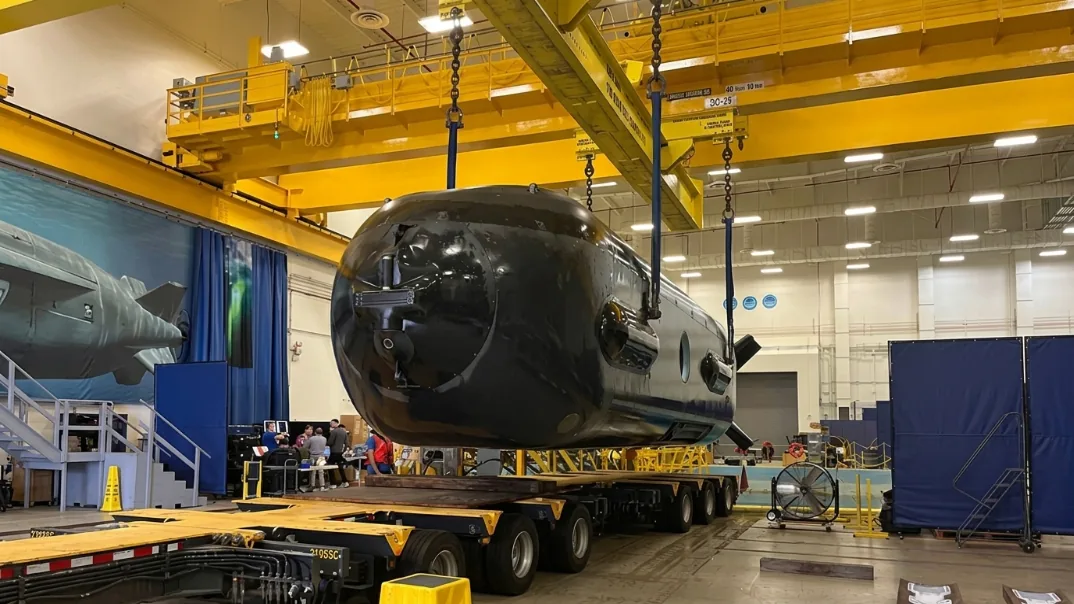
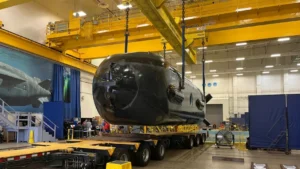
Defense Feeds, Washington, D.C. – U.S. Navy selects Kongsberg and Oceaneering for CAMP XLUUV undersea drone as the service accelerates the development of long-endurance autonomous underwater systems capable of operating across vast maritime areas with limited human intervention.
The contract awards position both companies to contribute to the Combat Autonomous Maritime Platform (CAMP) Extra-Large Unmanned Underwater Vehicle (XLUUV), a program intended to expand the Navy’s future undersea capabilities.
The initiative reflects the growing importance of autonomous systems in naval operations as militaries seek to improve surveillance, intelligence collection and mission endurance while reducing operational risks to crewed submarines and surface vessels.
The decision as U.S. Navy selects Kongsberg and Oceaneering for CAMP XLUUV undersea drone marks another step in the Navy’s effort to field a new generation of autonomous underwater vehicles capable of traveling long distances while carrying modular payloads for a variety of missions.
Under the program, the companies will support the development of an extra-large unmanned underwater vehicle designed to operate over ranges approaching 1,000 miles. Such endurance would enable the platform to conduct extended deployments without requiring frequent recovery or support from nearby naval assets.
Although the final mission configuration continues to evolve, XLUUVs are generally intended to perform tasks such as intelligence gathering, maritime surveillance, environmental sensing, seabed mapping and other operations where persistent underwater presence offers operational advantages.
The CAMP program also emphasizes modularity, allowing mission equipment to be adapted as operational requirements change. This flexibility could enable future variants to support additional naval missions without requiring an entirely new platform.
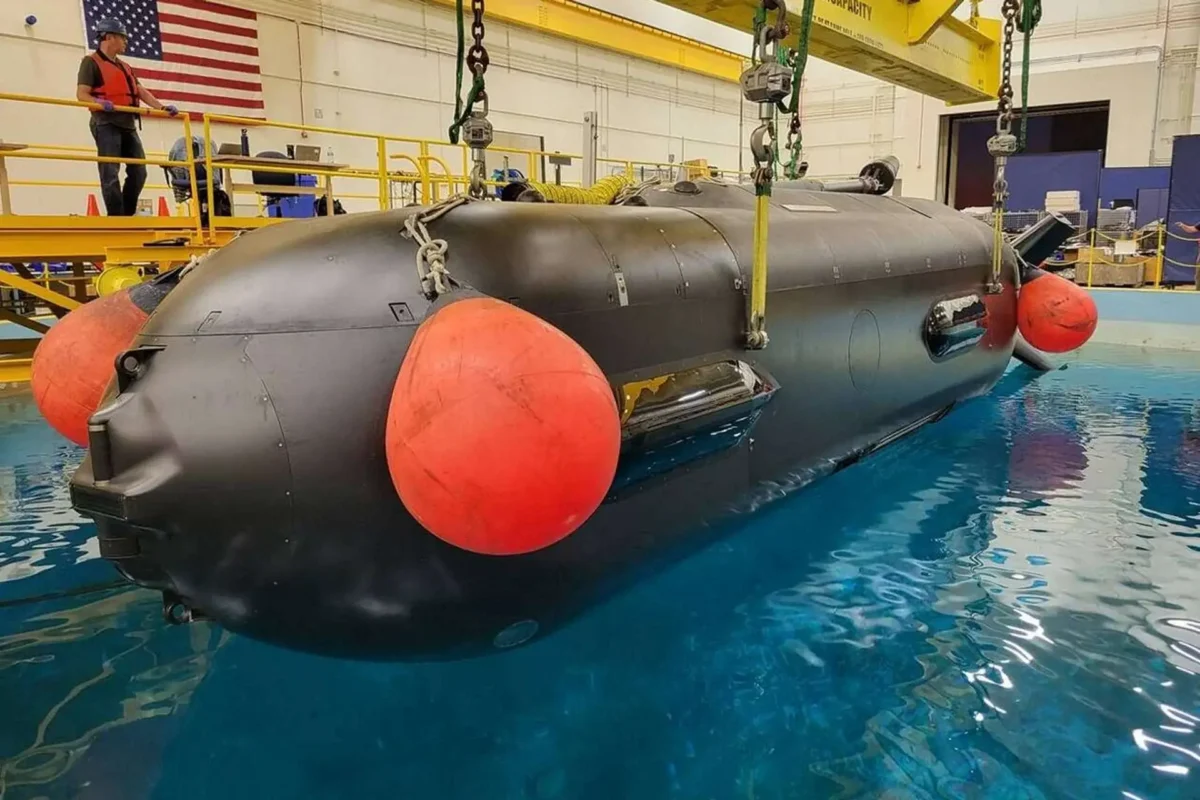
The move comes amid increasing investment in unmanned maritime technologies by major naval powers. Advances in sensors, artificial intelligence, energy storage and autonomous navigation have made long-endurance underwater vehicles increasingly practical for missions that would traditionally require crewed submarines.
Persistent underwater surveillance has become particularly valuable as competition expands across strategically important maritime regions. Autonomous systems can monitor key sea lanes, gather environmental data and improve situational awareness while operating for extended periods with a relatively small logistical footprint.
Unlike conventional submarines, unmanned underwater vehicles can also be assigned to higher-risk missions without placing crews in danger, giving commanders greater flexibility when operating in contested waters.
As underwater infrastructure, communication cables and offshore energy assets receive greater strategic attention, long-range autonomous vehicles are expected to play a larger role in monitoring and protecting critical maritime networks.
The CAMP XLUUV program aligns with the U.S. Navy’s broader modernization strategy, which increasingly integrates autonomous platforms alongside traditional crewed vessels rather than treating them as standalone replacements.
From an industrial perspective, selecting Kongsberg and Oceaneering brings together companies with extensive experience in autonomous maritime technologies, subsea engineering and underwater operations. Their expertise is expected to support the development of a platform capable of meeting demanding operational requirements while remaining adaptable for future mission sets.
Strategically, expanding autonomous undersea capabilities allows the Navy to increase its presence across larger areas without proportionally increasing the number of crewed submarines. This approach can improve operational persistence while allowing high-value manned platforms to focus on missions requiring greater complexity or direct human decision-making.
The decision as U.S. Navy selects Kongsberg and Oceaneering for CAMP XLUUV undersea drone illustrates the Navy’s continuing shift toward a hybrid fleet where autonomous systems complement traditional naval forces.
As underwater competition becomes increasingly important in the Indo-Pacific and other strategic regions, long-range unmanned vehicles are expected to become an essential component of future maritime operations, providing persistent intelligence, expanded surveillance coverage and greater operational flexibility beneath the surface.