Follow Us:

Follow Us:

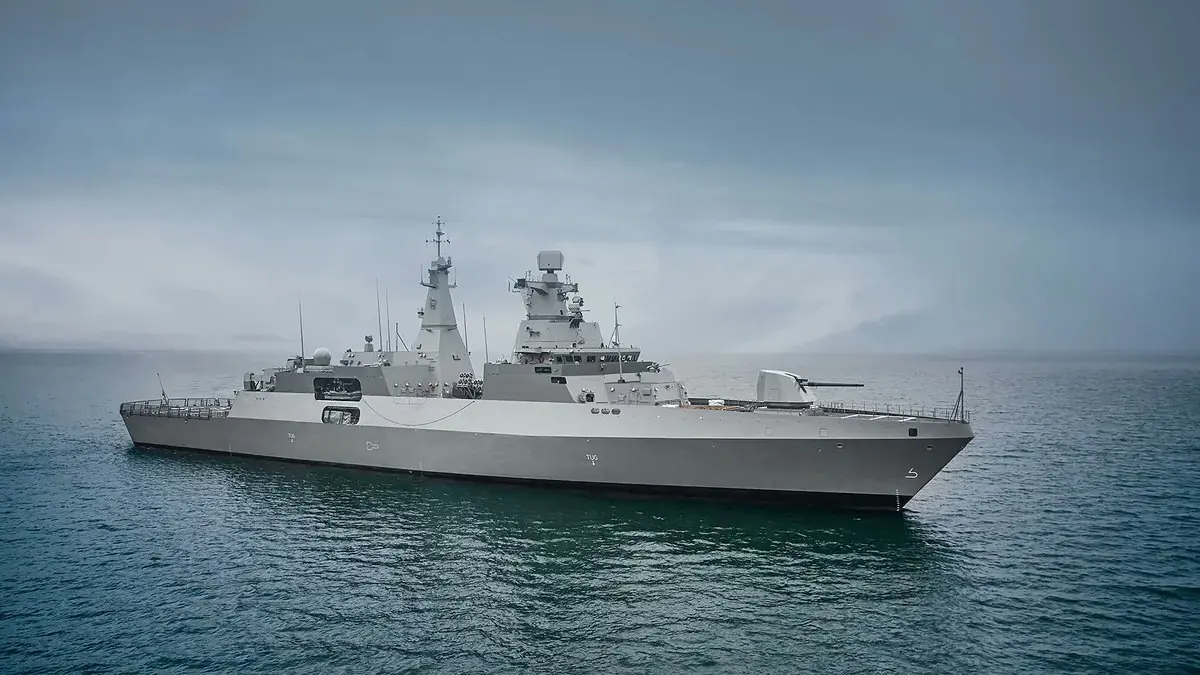
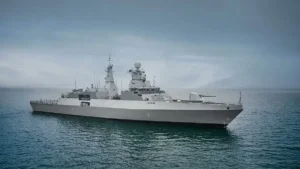
Defense Feeds, Stockholm – Saab Wins Major Contract to Equip German F128 Frigates with Advanced Combat Systems, the contract valued at approximately €788 million from Thyssenkrupp Marine Systems (TKMS) to supply combat management and radar systems for German F128 frigates.
The agreement will see four next-generation warships equipped with Saab’s 9LV Combat Management System alongside Sea Giraffe radar technology, providing the German Navy with an integrated sensor and command architecture designed to support operations in increasingly complex maritime environments.
The award represents one of Saab’s largest naval contracts to date and highlights the growing importance of digital combat systems in modern warship design. As naval threats become more diverse, the ability to rapidly detect, classify and respond to multiple targets has become just as critical as the ships’ weapons themselves.
The F128 frigates are being developed as part of Germany’s long-term effort to modernize its surface fleet with highly capable multi-role combatants able to conduct air defense, maritime security and coalition operations.
Under the agreement, Saab will deliver the 9LV Combat Management System, which serves as the central command architecture aboard the ships. The system integrates information from sensors, weapons and communications equipment, allowing crews to build a comprehensive operational picture while coordinating responses to multiple threats simultaneously.
Complementing the combat management system are Saab’s Sea Giraffe radars, which provide surveillance and target tracking for aircraft, missiles and surface contacts. Working together, the radar and combat management suite enables operators to detect threats earlier, prioritize engagements and improve overall decision-making during high-tempo operations.
Rather than functioning as separate technologies, the integrated architecture allows sensor data to flow directly into command systems, reducing response times and improving situational awareness across the ship.
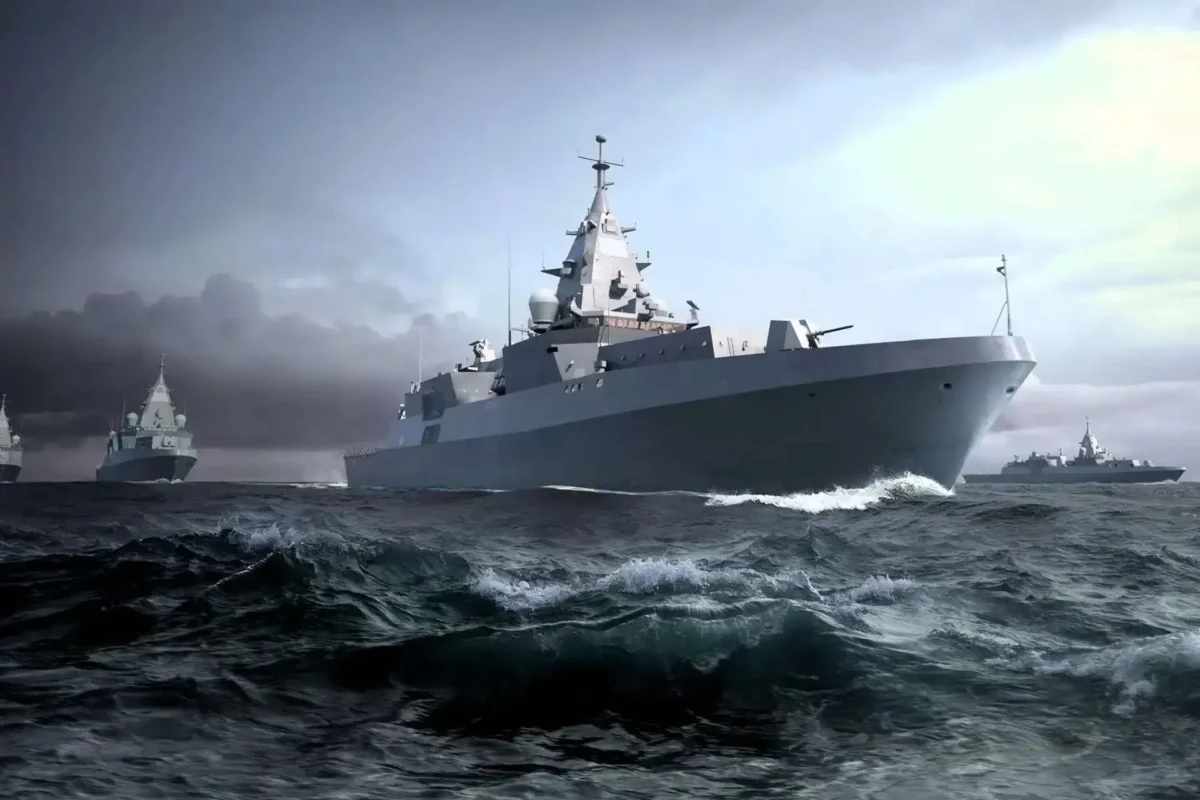
The significance of the F128 frigates extends beyond the hardware being installed. The program reflects a broader evolution in naval warfare, where software, sensor fusion and network connectivity increasingly determine combat effectiveness.
Modern frigates must simultaneously monitor airspace, surface traffic and underwater activity while coordinating with allied ships, aircraft and command centers. Managing that volume of information requires advanced combat management systems capable of processing large amounts of data in real time.
The 9LV architecture is designed with this challenge in mind, enabling operators to integrate multiple sensors and weapon systems into a unified command environment. Combined with Sea Giraffe radars, the system supports faster threat identification and more efficient allocation of defensive resources.
This approach also supports future upgrades. Open and modular digital architectures make it easier to integrate new sensors, weapons and software as operational requirements evolve, helping extend the service life of complex naval platforms without extensive redesign.
The F128 frigates program forms part of Germany’s broader effort to strengthen the capabilities of its navy amid a changing European security environment. Alongside investments in submarines, maritime patrol aircraft and missile defense, Berlin has placed increasing emphasis on ensuring its future surface combatants remain adaptable to emerging threats.
For Saab, the contract reinforces its position as one of Europe’s leading suppliers of naval combat systems. The company’s technologies are already in service with several allied navies, and the selection by TKMS demonstrates continued confidence in Saab’s ability to integrate advanced command and sensor solutions into large warship programs.
From an operational perspective, the combination of the 9LV Combat Management System and Sea Giraffe radar is expected to improve the German Navy’s ability to conduct fleet air defense, maritime surveillance and multinational operations within NATO. Enhanced sensor coverage and faster data processing also contribute to better coordination with allied naval forces operating in the Baltic Sea, North Sea and beyond.
The F128 frigates therefore represent more than a new class of warship. They embody the growing importance of digital integration in naval warfare, where success depends not only on advanced weapons but also on the speed and accuracy with which information is collected, analyzed and shared.
As Germany prepares its next generation of surface combatants, sophisticated combat management and radar systems are set to become central elements of the fleet’s future operational capability.