Follow Us:

Follow Us:

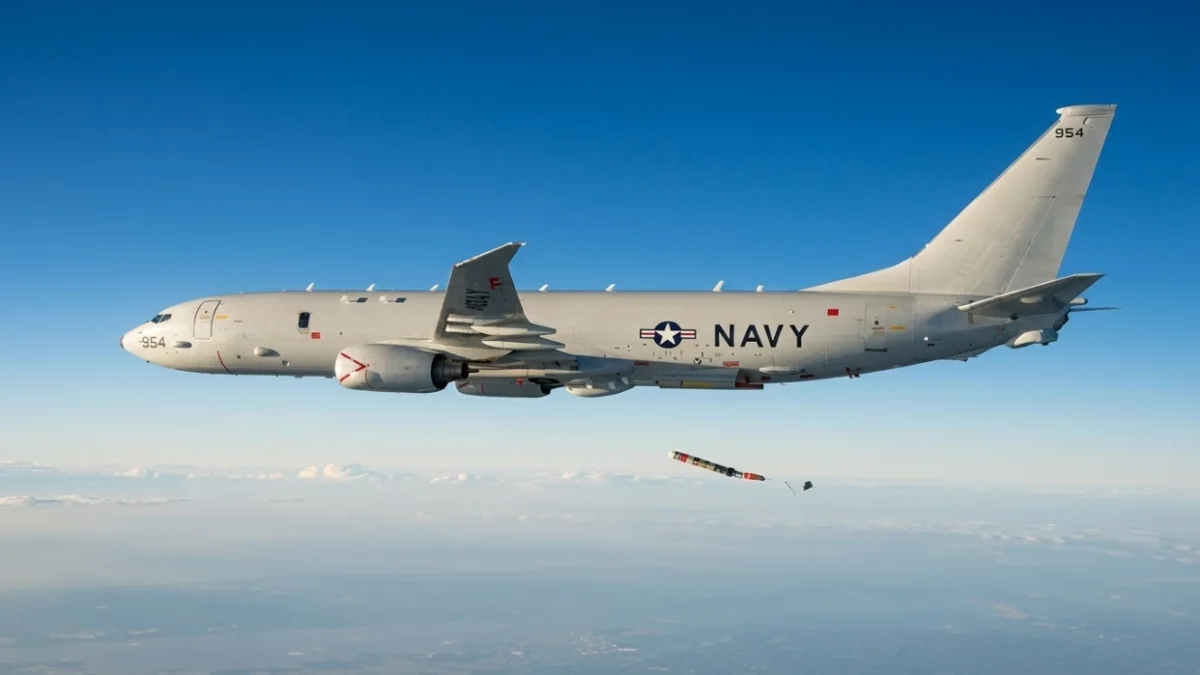
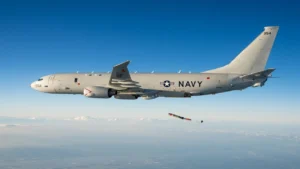
Defense Feeds, Patuxent River. The P-8 Poseidon missile test aircraft has begun an unexpected second career after the first-ever P-8 Poseidon built was reassigned to support missile testing activities across the Pacific.
Rather than retiring after years of developmental and evaluation work, the aircraft is now being used to assist missile tracking, test monitoring and data collection missions, giving the pioneering platform a new operational purpose.
The move highlights how military organizations continue finding value in older test assets by adapting them for specialized missions that support the development of next-generation weapons and defense technologies.
The aircraft, known as T-1, holds a unique place in the history of the P-8 program. As the first Poseidon ever produced, it played a critical role in flight testing, systems integration and certification activities that helped bring the maritime patrol aircraft into operational service.
After completing its primary development mission, the aircraft was transferred to support testing operations rather than being retired. Its new assignment focuses on assisting missile trials conducted across the Pacific, where vast ocean areas provide ideal conditions for evaluating advanced weapons systems.
The transition demonstrates the flexibility of the P-8 platform. Originally developed as a maritime patrol and anti-submarine warfare aircraft, the Poseidon possesses sophisticated sensors, communications systems and mission equipment that make it well suited for a variety of specialized tasks.
By repurposing the aircraft, defense planners can maximize the return on a platform that already possesses extensive instrumentation and proven operational reliability.
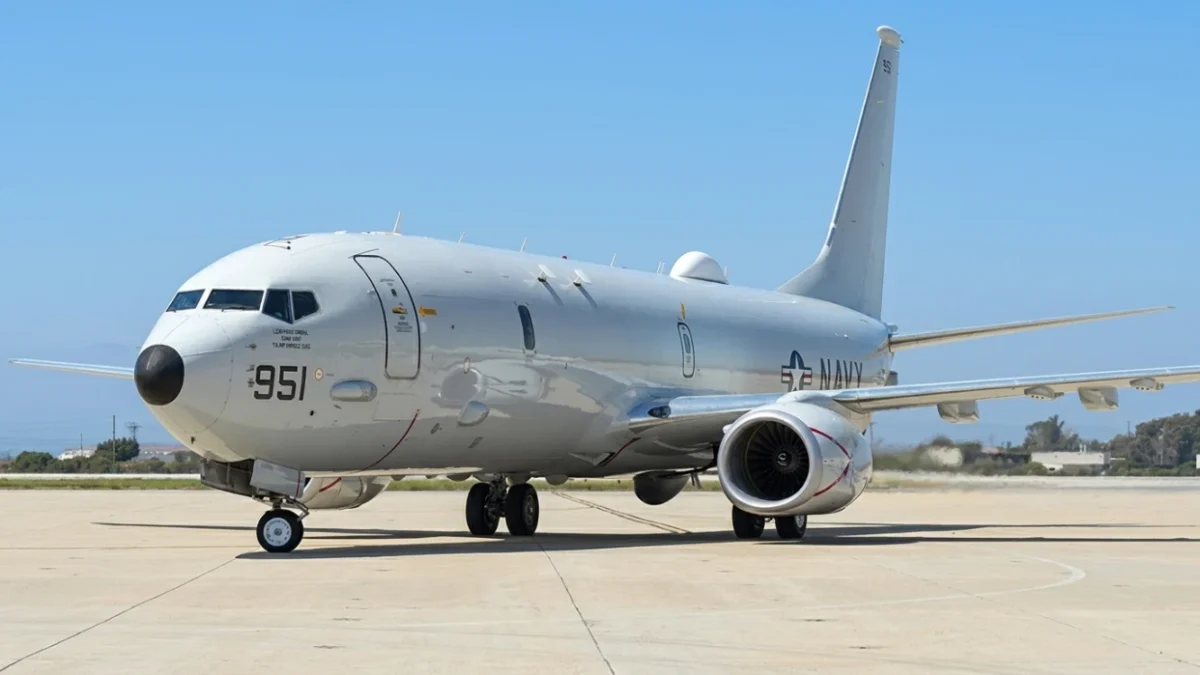
The P-8 Poseidon missile test aircraft brings several advantages to missile testing activities. One of the most important is its ability to collect and transmit large amounts of data during complex flight operations.
Modern missile tests often require extensive monitoring to evaluate weapon performance, flight characteristics and system reliability. Aircraft supporting these events help gather information from different perspectives while maintaining connectivity with ground stations, ships and other test assets.
The Poseidon’s advanced radar, communications equipment and mission systems make it particularly valuable in these roles. Operating over vast stretches of ocean, the aircraft can help track missile trajectories and provide additional situational awareness during test events.
Pacific test ranges are increasingly important as the United States develops new long-range weapons, missile defense technologies and advanced strike capabilities. Supporting those programs requires a wide network of sensors and monitoring platforms capable of collecting accurate performance data.
The aircraft’s endurance also makes it well suited for lengthy test missions that may extend across large operational areas.
The P-8 Poseidon missile test aircraft reflects a broader trend in military aviation: adapting existing platforms for emerging mission requirements rather than relying exclusively on new aircraft acquisitions.
As defense organizations pursue advanced missile technologies, demand continues to grow for airborne assets capable of supporting complex testing campaigns. Aircraft equipped with sophisticated sensors and communications systems can provide valuable data while reducing the need for entirely new specialized platforms.
The reassignment also underscores the increasing importance of the Pacific region in U.S. defense planning. Many of the military’s most advanced missile programs are being developed and evaluated in environments designed to simulate the challenges of future long-range operations.
For the Navy and broader defense community, extending the service life of the first Poseidon represents a practical and cost-effective solution. The aircraft remains capable of contributing to national defense objectives while supporting the development of future weapons systems.
Although it was originally built to validate a new maritime patrol aircraft program, the pioneering platform is now helping shape the next generation of missile technologies. Its continued service demonstrates how military innovation often extends beyond the introduction of new systems, finding new ways to leverage proven assets in support of evolving operational requirements.