Follow Us:
Follow Us:

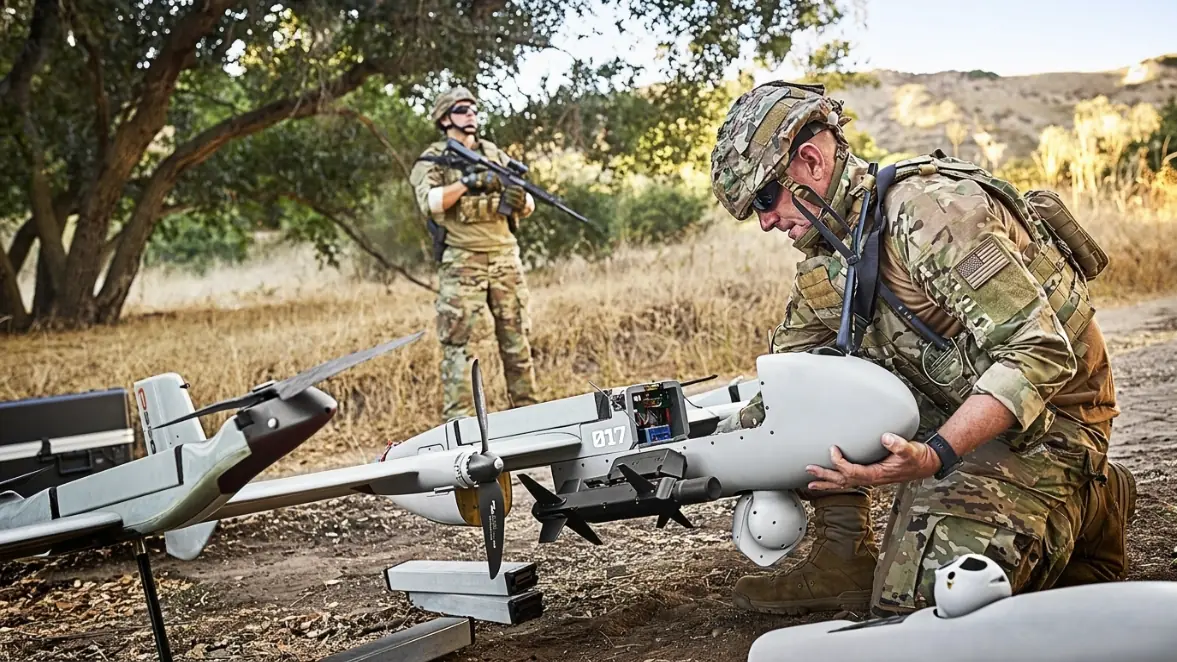
Defense Feeds – Washington. The AeroVironment Wins $117M Deal for New Army Recon Drone contract marks another significant investment in the U.S. Army’s push to enhance battlefield intelligence and long-range reconnaissance capabilities through advanced unmanned systems.
AeroVironment has secured a contract valued at approximately $117 million to provide its P550 unmanned aircraft system to the U.S. Army. The award supports the service’s growing demand for long-endurance drones capable of delivering real-time intelligence, surveillance and reconnaissance (ISR) across increasingly complex operational environments.
As modern warfare becomes more dependent on rapid information gathering and battlefield awareness, military planners are prioritizing platforms that can operate over extended distances while providing commanders with continuous intelligence feeds. The P550 is expected to play a key role in meeting those requirements by expanding the Army’s ability to monitor large operational areas without exposing personnel to unnecessary risk.
The contract also reflects broader Pentagon efforts to integrate more autonomous systems into frontline operations as part of future force modernization programs.
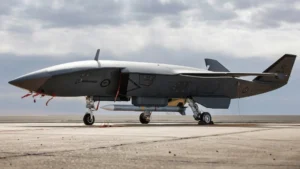
The P550 is a vertical takeoff and landing unmanned aircraft system developed by AeroVironment to support military reconnaissance, surveillance and intelligence-gathering operations.
Unlike traditional fixed-wing drones that require runways or launch equipment, the P550 can take off and land vertically while retaining the endurance advantages associated with larger aircraft. This combination provides military units with greater deployment flexibility, particularly in remote or austere operating environments.
The platform is designed to support long-range reconnaissance missions where continuous situational awareness is critical. By delivering real-time imagery and intelligence data, the drone can help commanders identify threats, track enemy movements and improve decision-making during operations.
Military analysts note that access to accurate battlefield information has become one of the most decisive factors in modern warfare. The side that can detect, process and act on intelligence faster often gains a significant operational advantage.
The Army’s investment in the P550 aligns with that reality, emphasizing surveillance capabilities that extend beyond the range of traditional ground-based reconnaissance assets.
The platform’s ability to operate without extensive infrastructure also makes it attractive for expeditionary missions and rapidly changing battlefield conditions.
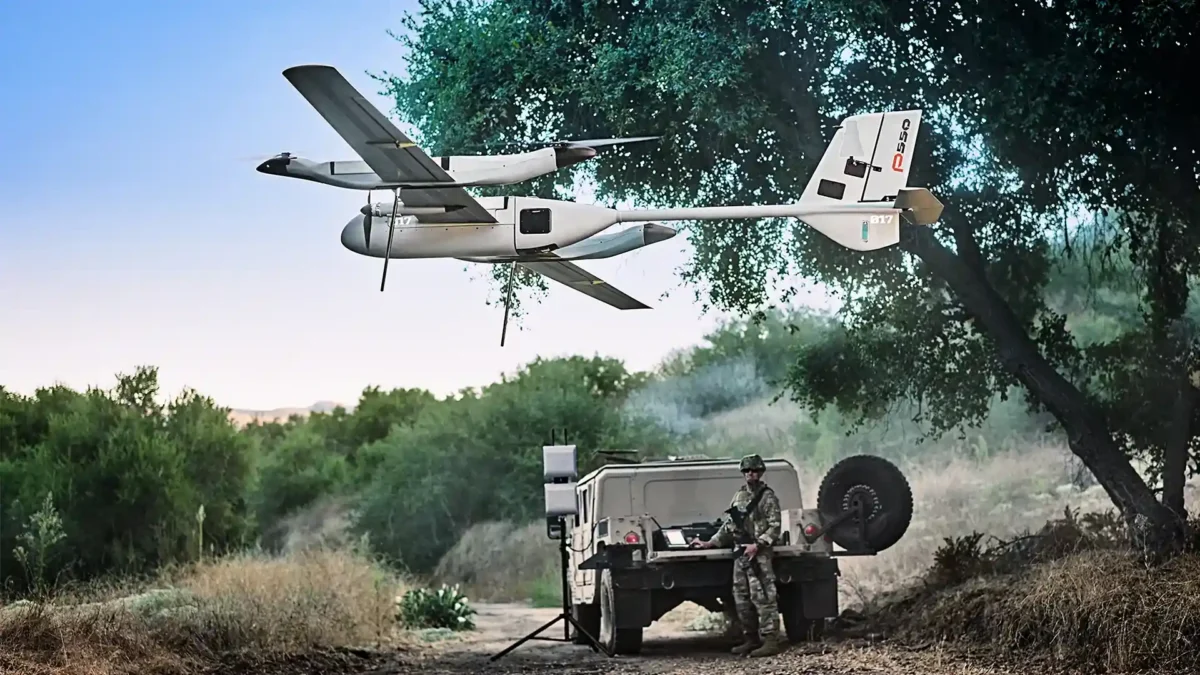
The growing importance of reconnaissance drones has been clearly demonstrated across recent conflicts.
From Ukraine to the Middle East, unmanned aircraft have become indispensable tools for intelligence collection, target acquisition and operational planning. Military organizations increasingly rely on drones to provide persistent surveillance that would otherwise require costly manned aircraft or expose personnel to danger.
The war in Ukraine has particularly highlighted the value of battlefield intelligence generated by unmanned systems. Drones have been used to identify enemy positions, direct artillery fire and monitor troop movements in near real time.
These lessons are influencing military procurement priorities worldwide. Armed forces are investing heavily in systems capable of extending surveillance coverage while improving responsiveness and battlefield awareness.
For the U.S. Army, long-range reconnaissance platforms such as the P550 support broader efforts to build more agile and information-driven forces. Commanders require access to timely intelligence across larger operational areas than ever before, especially in potential future conflicts involving vast geographic regions.
The Indo-Pacific theater is one example where long-range surveillance capabilities are expected to play a critical role due to the immense distances involved and the need for persistent monitoring.
The AeroVironment contract reflects a larger transformation taking place across modern militaries where information superiority is becoming just as important as firepower.
Advanced sensors, drones and networked communications systems now allow forces to gather unprecedented amounts of battlefield data. The challenge increasingly lies in collecting that information quickly and delivering it to decision-makers before opportunities disappear.
Platforms like the P550 are designed to address this need by providing persistent intelligence coverage and supporting a more connected battlefield environment. Their ability to operate over long distances while remaining relatively difficult to detect makes them valuable assets for both conventional and expeditionary operations.
Military experts believe future conflicts will involve even greater reliance on unmanned systems working alongside manned aircraft, ground forces and space-based sensors. Reconnaissance drones will serve as critical links in these networks, helping commanders maintain situational awareness across rapidly evolving battlefields.
The Army’s decision to invest more than $117 million in the P550 program demonstrates the growing importance of ISR capabilities within military planning. As threats become more complex and operational environments more demanding, access to accurate and timely intelligence will remain a decisive factor in combat effectiveness.
For AeroVironment, the contract strengthens its role as a key supplier of military unmanned systems. For the U.S. Army, it represents another step toward building a force where information, connectivity and autonomous technologies play a central role in future battlefield success.