Follow Us:

Follow Us:

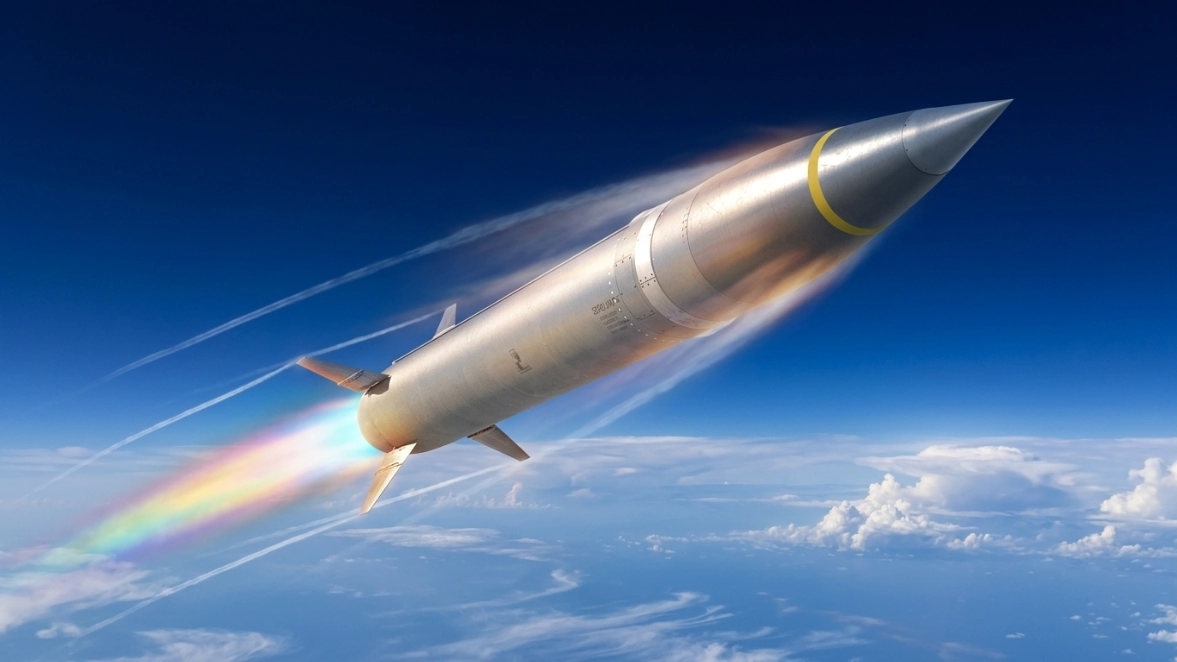
Defense Feeds – Washington. The U.S. Army Expands Long-Range Strike Force With More PrSM Missiles initiative highlights the Pentagon’s growing focus on long-range precision warfare as it prepares for future conflicts against advanced military adversaries.
Under its Fiscal Year 2027 budget plans, the U.S. Army intends to procure 1,134 Precision Strike Missiles (PrSM) while continuing investments in additional M142 High Mobility Artillery Rocket Systems (HIMARS). The planned acquisition reflects the Army’s effort to expand its deep-strike capabilities and strengthen deterrence across key theaters, particularly the Indo-Pacific region where long-range missile systems are expected to play a critical role in future military operations.
Military planners increasingly view precision-guided missiles as essential for countering sophisticated air defenses, command centers and logistical networks located far beyond the front lines. The PrSM program is designed to provide commanders with greater reach, flexibility and firepower compared to legacy missile systems currently in service.
The latest procurement plans demonstrate how long-range precision fires have become one of the Army’s highest modernization priorities as global military competition continues intensifying.
Developed by Lockheed Martin, the Precision Strike Missile is intended to replace the aging Army Tactical Missile System (ATACMS) while significantly increasing operational capability.
The PrSM is designed to deliver precision strikes against high-value targets at ranges exceeding those of previous systems. Its advanced guidance technology and compact design allow more missiles to be carried per launcher, improving battlefield effectiveness and operational flexibility.
Unlike traditional artillery munitions, the PrSM is intended for deep-strike missions targeting enemy command posts, air defense sites, logistics hubs and other critical assets. Military analysts view these capabilities as particularly important in potential conflicts where adversaries possess extensive anti-access and area-denial networks.
The missile has already completed a series of successful tests and is expected to become a cornerstone of the Army’s future precision fires architecture.
The planned purchase of more than 1,100 missiles signals confidence in the program and indicates the Army intends to field substantial inventories capable of supporting sustained operations during major conflicts.
Defense experts note that large stockpiles are increasingly important as modern warfare consumes precision-guided munitions at a much faster pace than many pre-conflict estimates anticipated.
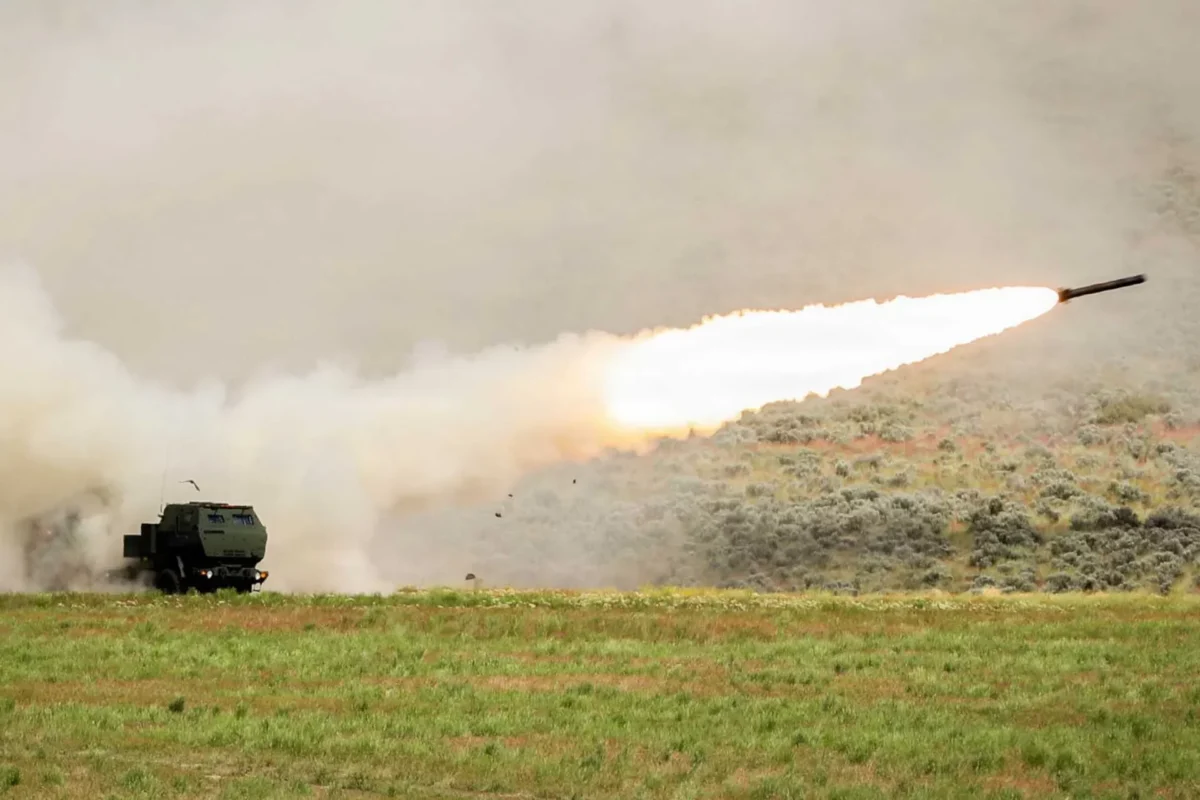
Alongside the PrSM procurement, the Army plans to continue expanding its HIMARS fleet, further strengthening one of the most effective artillery systems currently in service.
The HIMARS launcher gained worldwide attention during the war in Ukraine, where it demonstrated its ability to deliver accurate long-range strikes against strategic targets while maintaining high mobility. The platform’s success reinforced the value of precision fires in modern combat and accelerated interest among allied militaries.
Mounted on a wheeled chassis, HIMARS provides rapid deployment capability and can relocate quickly after firing, reducing vulnerability to enemy counterattacks. This mobility has become increasingly important as drones, satellites and surveillance systems make battlefield positions easier to detect.
The combination of HIMARS and PrSM creates a powerful long-range strike capability capable of engaging targets at distances far beyond traditional artillery ranges. Military planners believe this pairing will become increasingly important in future operations involving highly contested environments.
The Indo-Pacific remains a major driver behind these investments. Vast distances across the region require weapons capable of reaching critical targets without exposing forces to unnecessary risk.
American defense officials have repeatedly emphasized the importance of long-range precision fires as part of broader efforts to maintain deterrence and operational flexibility in the region.
The Army’s procurement plans reflect a broader transformation in military doctrine centered on precision strike capabilities.
Modern warfare increasingly depends on the ability to disrupt enemy operations before direct engagement occurs. Long-range missiles provide commanders with options to neutralize air defenses, command structures and logistical networks while minimizing exposure to frontline threats.
The emergence of advanced missile technology has also changed how militaries approach force deployment and battlefield planning. Precision fires can influence operations across vast areas, creating strategic effects that were once achievable only through airpower or large-scale ground offensives.
Military analysts argue that future conflicts between major powers will likely involve extensive use of long-range missile systems operating alongside drones, electronic warfare platforms and space-based sensors.
For the U.S. Army, expanding inventories of PrSM missiles and HIMARS launchers is intended to ensure forces remain prepared for those challenges. The investments support broader modernization efforts focused on increasing lethality, survivability and operational reach.
As strategic competition continues to intensify, particularly in the Indo-Pacific, long-range precision fires are expected to play an increasingly central role in U.S. military planning. The planned acquisition of more than 1,100 PrSM missiles demonstrates Washington’s commitment to building a force capable of striking farther, faster and more effectively in future conflicts.