Follow Us:

Follow Us:

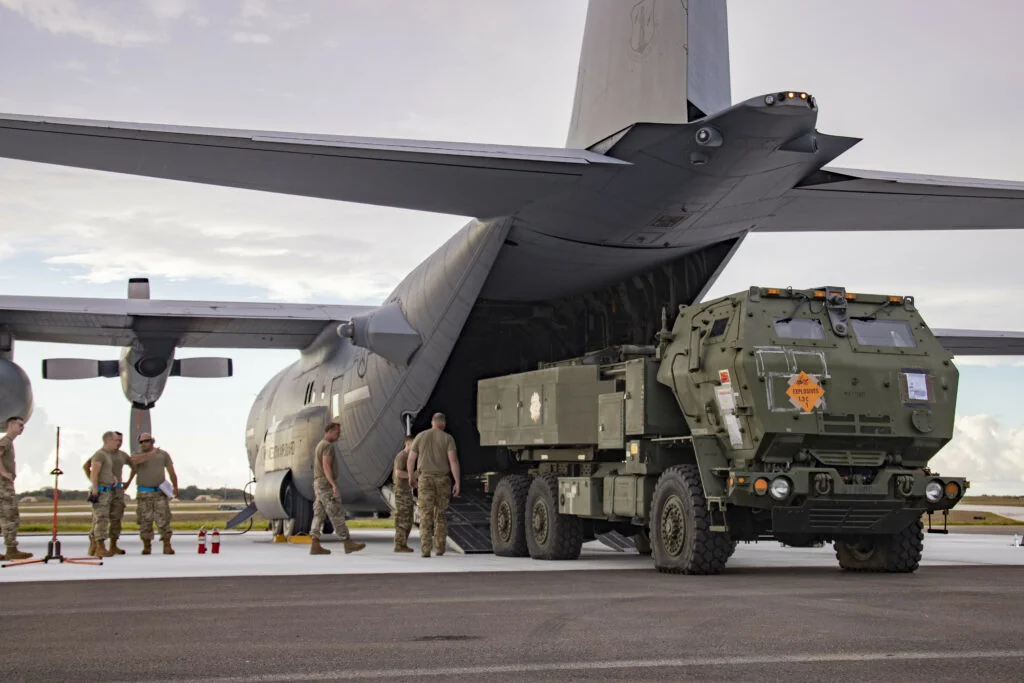
Defense Feeds – Ottawa. The Canada Approves $1.9 Billion HIMARS Acquisition Program decision marks a major milestone in the modernization of the Canadian Armed Forces as Ottawa moves to significantly expand its long-range precision strike capabilities.
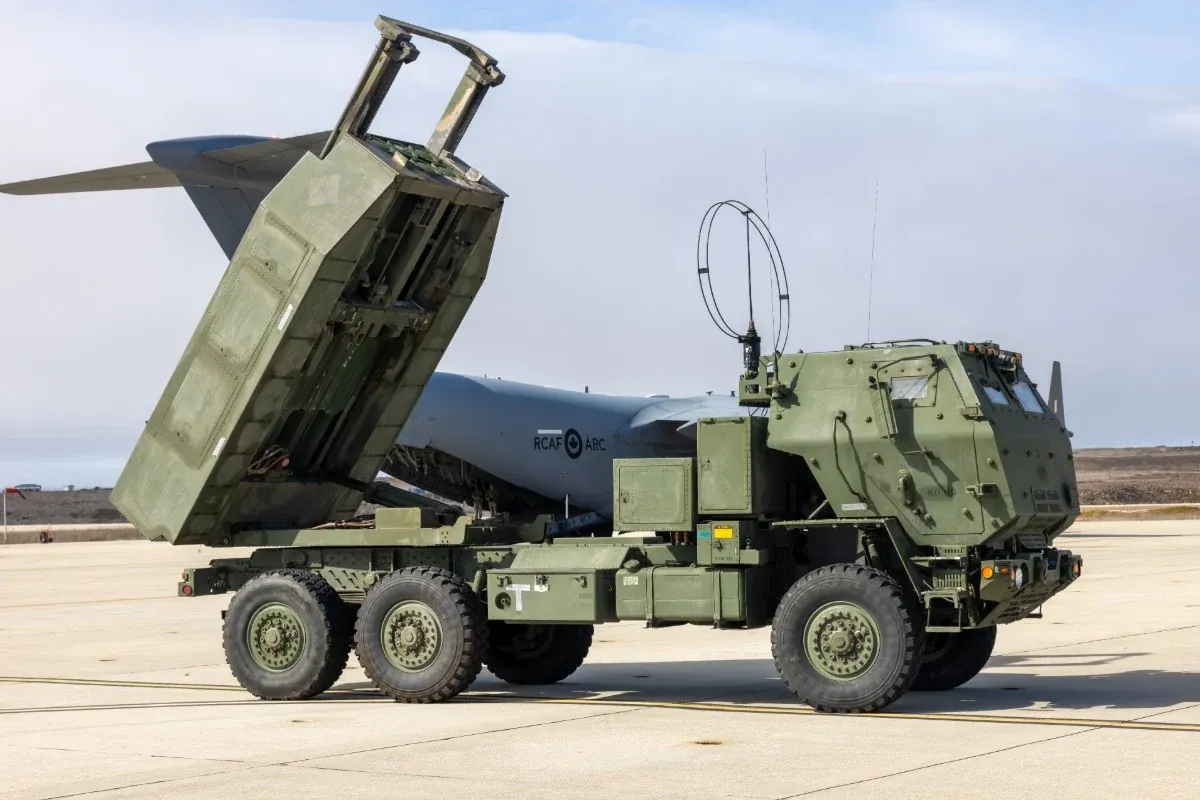
The Canadian government has approved the purchase of 26 M142 High Mobility Artillery Rocket Systems (HIMARS) in a deal valued at approximately $1.9 billion. The acquisition reflects growing recognition among NATO members that long-range precision fires have become essential on modern battlefields, particularly following lessons learned from the war in Ukraine.
The HIMARS system has earned a reputation as one of the most effective artillery platforms currently in service. Its ability to deliver precision-guided strikes against targets far beyond the reach of conventional artillery has made it a highly sought-after capability among allied militaries seeking to improve battlefield reach and operational flexibility.
For Canada, the procurement represents one of the most significant artillery modernization efforts in decades and aligns with broader defense investments aimed at enhancing national security and alliance readiness.
Developed by Lockheed Martin, the HIMARS launcher is designed to deliver a variety of precision-guided munitions against targets at extended ranges. Mounted on a wheeled chassis, the system combines strategic mobility with rapid deployment capability, allowing forces to relocate quickly after firing missions.
The platform has gained worldwide attention due to its performance in Ukraine, where it has been used to strike command centers, ammunition depots and logistical hubs with high accuracy. Those operations demonstrated the growing importance of long-range precision fires in disrupting enemy operations and shaping battlefield conditions.
Unlike traditional artillery systems, HIMARS can engage targets at significantly greater distances while maintaining precision. This allows commanders to strike high-value objectives while keeping launchers farther from frontline threats.
Military planners increasingly view such capabilities as critical for future operations, particularly in environments where adversaries possess advanced air defenses and long-range strike systems of their own.
For Canada, the addition of HIMARS will provide a new level of operational flexibility and improve the military’s ability to support both domestic and expeditionary missions.
Canada’s procurement decision reflects a broader trend among NATO members seeking to strengthen artillery and missile capabilities.
The war in Ukraine has highlighted the decisive role of long-range fires in modern warfare. Precision-guided rockets and missiles have repeatedly demonstrated their ability to influence battlefield outcomes by targeting logistics networks, command structures and critical infrastructure.
As a result, many allied nations are accelerating investments in artillery modernization programs. Long-range strike systems are increasingly viewed as essential for deterrence, force projection and battlefield dominance.
Canada’s acquisition of HIMARS will also improve interoperability with key NATO partners, including the United States, which operates large numbers of the system. Shared equipment and compatible munitions simplify logistics, training and operational coordination during multinational missions.
Defense analysts note that interoperability has become an increasingly important consideration in military procurement decisions. NATO’s ability to conduct joint operations depends heavily on common standards and compatible systems across alliance forces.
The Canadian purchase therefore serves both national and alliance objectives by enhancing military effectiveness while supporting broader collective defense efforts.
Modern military planning places growing emphasis on the ability to strike targets accurately at long distances.
Advances in sensors, targeting systems and guided munitions have transformed artillery from an area-effect weapon into a precision strike capability capable of influencing operations across large regions. This shift has increased demand for platforms such as HIMARS that combine mobility, survivability and precision engagement.
The system’s wheeled design is particularly valuable in today’s battlefield environment. Mobility allows launchers to conduct “shoot-and-scoot” operations, reducing vulnerability to counterbattery fire, drones and precision-guided attacks.
Military experts argue that future conflicts will likely involve greater reliance on long-range precision weapons as forces seek to disrupt enemy operations before direct engagement occurs. Investments in platforms like HIMARS are therefore viewed as critical for maintaining operational relevance in increasingly contested environments.
For Canada, the acquisition strengthens both deterrence and combat capability while ensuring the armed forces remain aligned with evolving NATO requirements. The purchase also signals Ottawa’s commitment to modernizing its military at a time when security challenges are becoming more complex and geographically diverse.
As allied nations continue adapting to the realities of modern warfare, Canada’s HIMARS program represents a significant investment in precision firepower, interoperability and future battlefield readiness. The addition of 26 launchers will provide the Canadian Armed Forces with a capability increasingly regarded as indispensable for contemporary military operations.