Follow Us:
Follow Us:

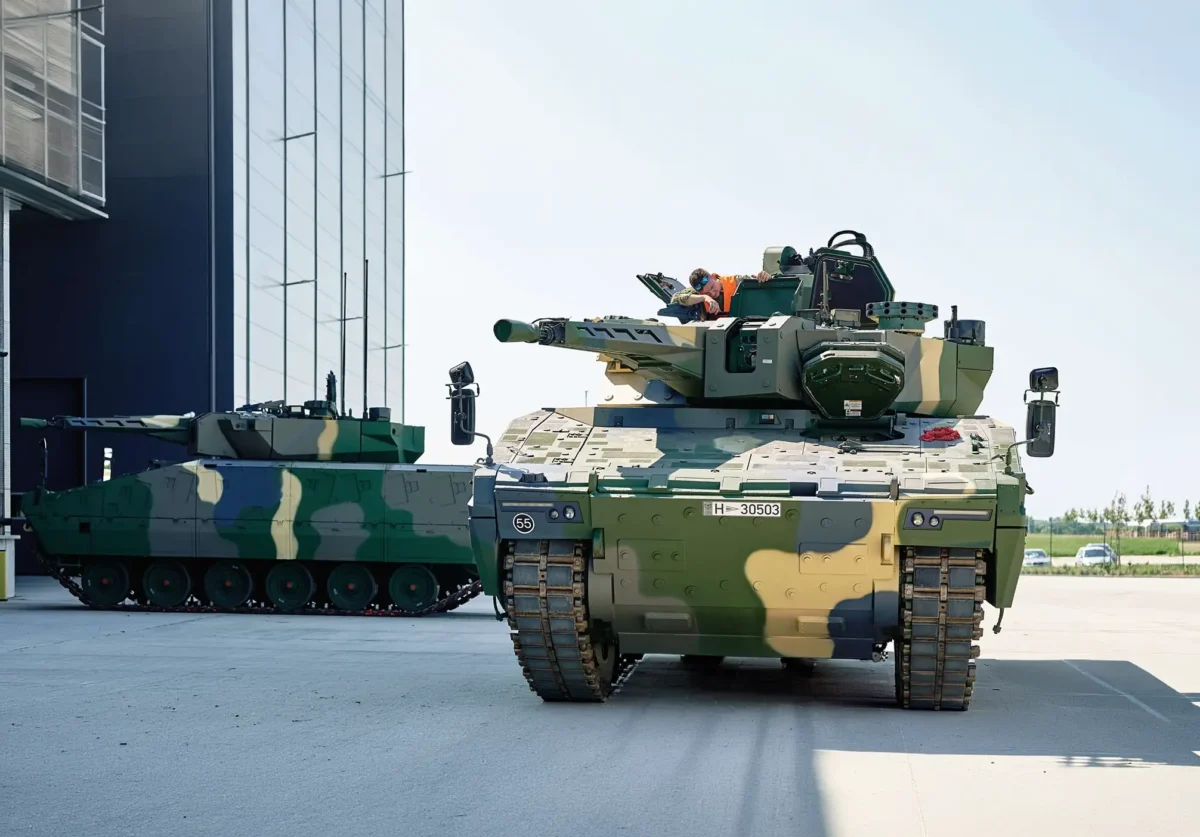
Defense Feeds – Bucharest. The Romania Moves Forward With $5.7B Lynx Infantry Fighting Vehicle Deal initiative marks one of the largest military modernization efforts in the country’s recent history as Bucharest seeks to strengthen its ground combat capabilities amid growing security concerns on NATO’s eastern flank.
Romania is advancing plans to acquire up to 298 Lynx infantry fighting vehicles under a program valued at approximately $5.7 billion, a move that would significantly enhance the operational capabilities of the Romanian Armed Forces. The procurement reflects the country’s broader strategy of modernizing its military while improving interoperability with NATO allies in response to the changing security environment across Eastern Europe.
The Lynx, developed by German defense company Rheinmetall, has emerged as one of Europe’s most advanced infantry fighting vehicle platforms. Designed for modern battlefield operations, the vehicle combines mobility, firepower and protection while offering a modular architecture that can be adapted for various combat and support roles.
Military analysts view the planned acquisition as a major step in Romania’s effort to strengthen deterrence and readiness along the alliance’s southeastern frontier.
The Lynx infantry fighting vehicle was developed to meet the demands of contemporary warfare, where armored units must operate in increasingly complex and contested environments.
Unlike older armored personnel carriers, the Lynx is designed to support mechanized infantry operations while providing substantial protection against battlefield threats. The platform incorporates advanced armor, digital systems and mission flexibility intended to improve survivability and operational effectiveness.
One of the vehicle’s key strengths is its modular design. This allows military operators to configure the platform for multiple mission profiles including troop transport, reconnaissance, command-and-control and specialized combat support functions.
Defense experts note that modern infantry fighting vehicles are expected to perform a wide range of tasks beyond simply transporting troops. They must be capable of operating alongside tanks, supporting combined-arms operations and maintaining effectiveness in environments increasingly shaped by drones, precision-guided munitions and electronic warfare systems.
The Lynx has attracted considerable international interest in recent years as countries seek next-generation armored platforms capable of adapting to future battlefield requirements.
For Romania, acquiring the vehicle would represent a significant upgrade over portions of its existing armored fleet while providing greater compatibility with NATO operational standards.
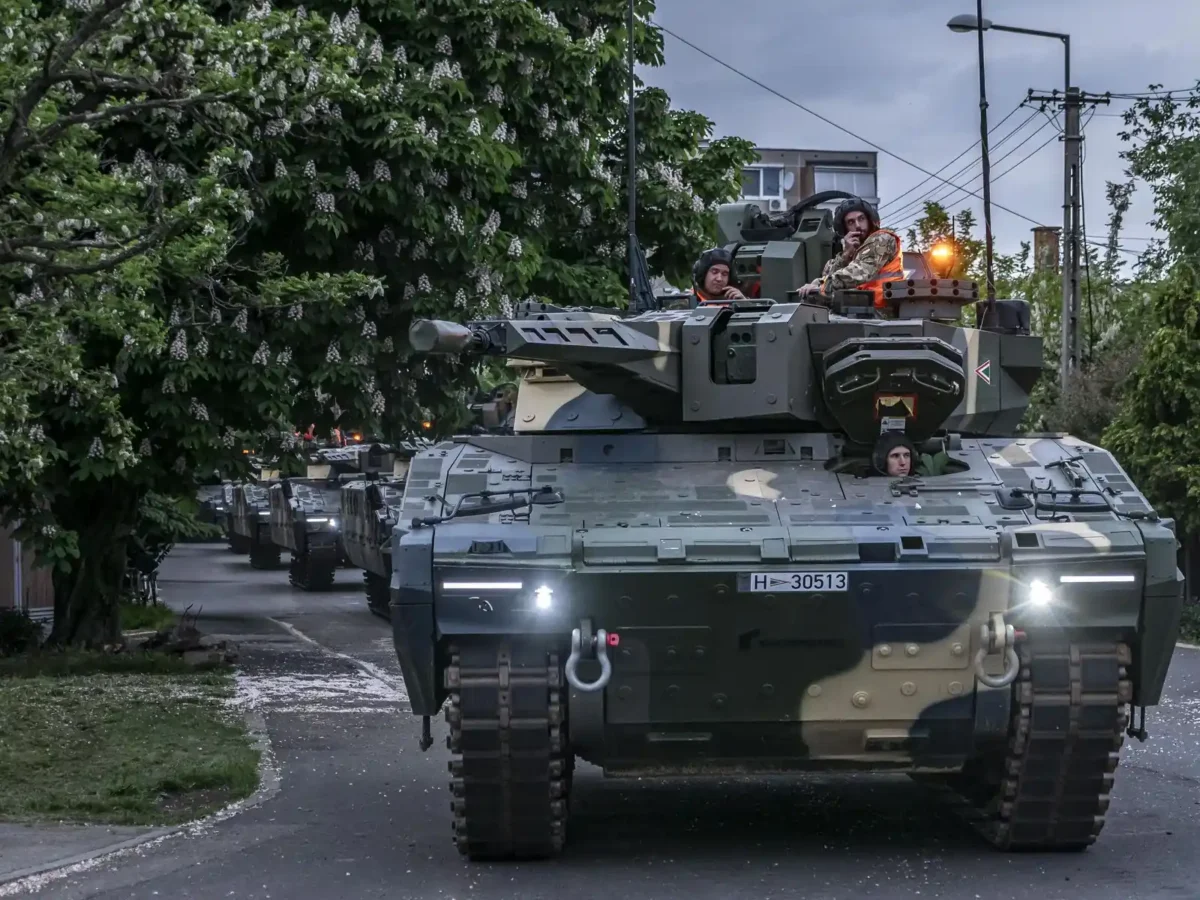
Romania’s interest in the Lynx comes amid a broader wave of defense modernization across Eastern Europe.
Since Russia’s invasion of Ukraine, NATO members along the alliance’s eastern border have accelerated military spending and procurement programs aimed at strengthening national defense capabilities. Countries throughout the region are investing in armored vehicles, missile defense systems, artillery and advanced surveillance technologies to improve readiness and deterrence.
Romania occupies a strategically important position on NATO’s southeastern flank, bordering the Black Sea region and serving as a key hub for alliance operations. As regional security concerns continue evolving, Bucharest has increasingly prioritized investments designed to enhance both national defense and collective NATO capabilities.
Military planners view mechanized forces as a critical element of this effort. Armored formations remain essential for maneuver warfare, rapid response operations and territorial defense missions, particularly in scenarios involving high-intensity conventional conflict.
The potential Lynx acquisition aligns closely with NATO’s emphasis on improving force readiness and interoperability among member states. Standardized equipment and compatible operational systems can significantly enhance cooperation during joint missions and multinational exercises.
Analysts also point to the economic and industrial benefits associated with large defense procurements, particularly when local production or industrial participation is included as part of the agreement.
The planned Lynx program reflects a wider trend among NATO members seeking to modernize ground forces for future combat environments.
Recent conflicts have demonstrated that armored vehicles continue to play a crucial role on the battlefield despite the growing influence of drones and precision-guided weapons. Modern armored platforms provide mobility, protection and firepower that remain essential for combined-arms operations.
At the same time, military designers are adapting vehicle concepts to address new threats. Advanced sensors, digital networking capabilities and improved protection systems are becoming standard features of next-generation armored vehicles.
The Lynx was developed with those requirements in mind, offering a platform capable of evolving as battlefield technologies continue changing. Its flexibility is one reason it has attracted attention from multiple countries evaluating future armored vehicle programs.
For Romania, the acquisition would significantly strengthen mechanized forces while supporting long-term defense planning objectives. It would also reinforce the country’s role within NATO at a time when alliance members are placing greater emphasis on readiness and deterrence.
As security challenges continue shaping defense priorities across Europe, Romania’s pursuit of the Lynx infantry fighting vehicle demonstrates how military modernization remains a central component of regional stability. If finalized, the deal would represent one of the most significant armored vehicle procurements in Eastern Europe and further strengthen NATO’s defensive posture along its eastern frontier.