Follow Us:
Follow Us:

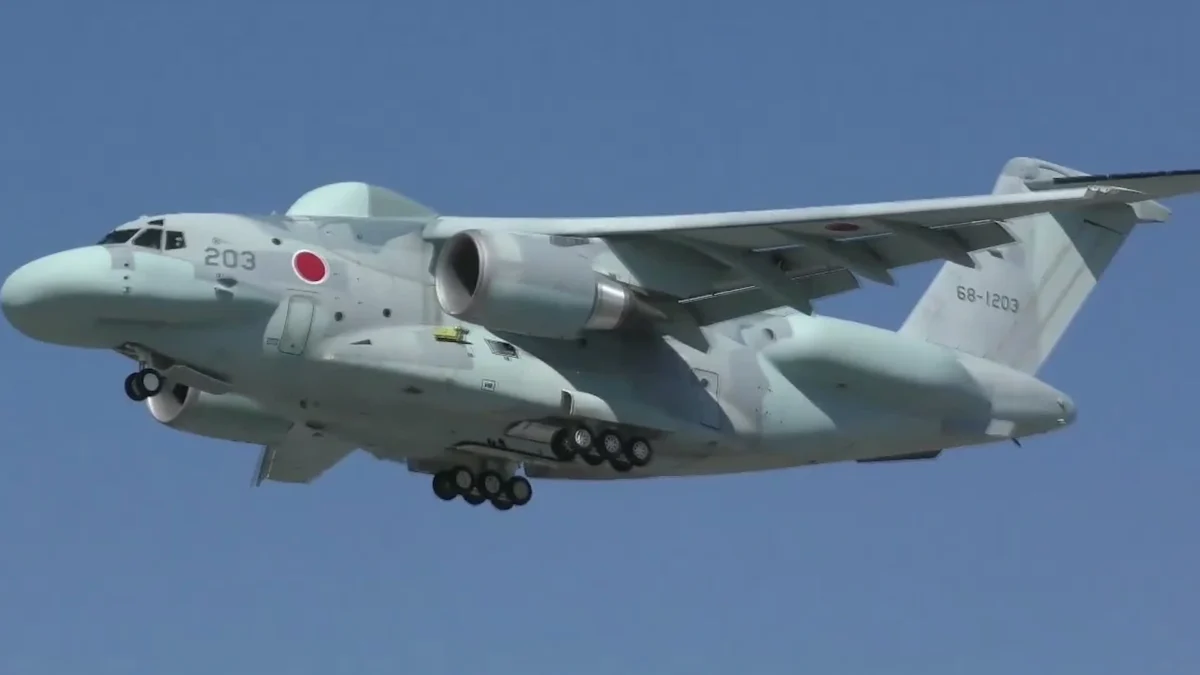
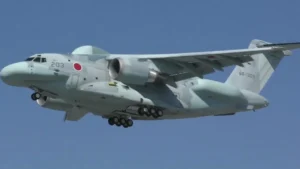
Defense Feeds, Gifu, Japan – Japan begins flight testing Kawasaki EC-2 electronic warfare aircraft, marking a significant milestone in the country’s effort to expand its airborne electromagnetic warfare capabilities.
The test campaign represents the latest step in developing a dedicated platform designed to support the Japan Air Self-Defense Force (JASDF) with electronic attack, electronic support and spectrum dominance during future operations.
As regional militaries continue investing in advanced sensors, integrated air defense systems and long-range precision weapons, electronic warfare has become an increasingly important component of modern air power. The EC-2 program reflects Japan’s strategy of improving its ability to operate effectively in highly contested electromagnetic environments.
The decision as Japan begins flight testing Kawasaki EC-2 electronic warfare aircraft moves the program from ground development into airborne evaluation, where engineers can validate the aircraft’s flight performance while assessing the integration of its electronic warfare systems.
Developed by Kawasaki Heavy Industries, the EC-2 is intended to provide the JASDF with a dedicated airborne electronic warfare platform capable of supporting a wide range of operational missions. Although detailed system specifications remain limited, the aircraft is expected to perform electronic support, signal collection and electronic attack tasks that help friendly forces identify, monitor and disrupt hostile electromagnetic activity.
Unlike traditional surveillance aircraft that primarily collect intelligence, dedicated electronic warfare platforms are designed to influence the battlespace by reducing an adversary’s ability to detect, communicate or coordinate military operations.
The flight-test phase will evaluate how the aircraft performs under operational conditions while confirming that onboard mission systems function reliably before the platform progresses toward future service.

The milestone comes as electronic warfare is increasingly viewed as an essential element of military operations rather than a specialized supporting function. Modern combat aircraft, air defense systems, missiles and command networks all depend heavily on the electromagnetic spectrum, making control of that environment a critical operational advantage.
For Japan, expanding airborne electronic warfare capabilities supports broader efforts to improve survivability during operations in contested airspace. Aircraft capable of detecting and analyzing radar emissions can provide valuable situational awareness, while electronic attack systems may help reduce the effectiveness of hostile sensors and missile guidance networks.
The EC-2 could also complement Japan’s existing airborne intelligence and surveillance assets by contributing electronic intelligence that improves targeting, mission planning and threat assessment across joint operations.
As regional military modernization accelerates, the ability to integrate electronic warfare with fighter aircraft, naval forces and ground-based air defense is becoming increasingly important for maintaining operational flexibility.
The EC-2 program aligns with Japan’s long-term investment in advanced defense technologies as the country expands capabilities across multiple operational domains, including air, maritime, cyber and space.
Beyond enhancing military capability, the program also reinforces Japan’s domestic aerospace industry. Developing indigenous electronic warfare platforms allows Japanese companies to strengthen expertise in mission systems integration, electronic technologies and specialized airborne equipment while reducing reliance on foreign suppliers for critical capabilities.
From a strategic perspective, introducing a modern airborne electronic warfare aircraft would provide the JASDF with additional options for supporting defensive operations, improving force protection and contributing to allied missions throughout the Indo-Pacific.
The fact that Japan begins flight testing Kawasaki EC-2 electronic warfare aircraft signals more than the progress of a single platform. It highlights the growing importance of electromagnetic superiority in future conflicts, where controlling information, sensors and communications may prove just as decisive as conventional firepower.
If testing continues successfully, the EC-2 is expected to become a key element of Japan’s evolving electronic warfare architecture and its broader effort to strengthen defense readiness in an increasingly complex regional security environment.