Follow Us:
Follow Us:

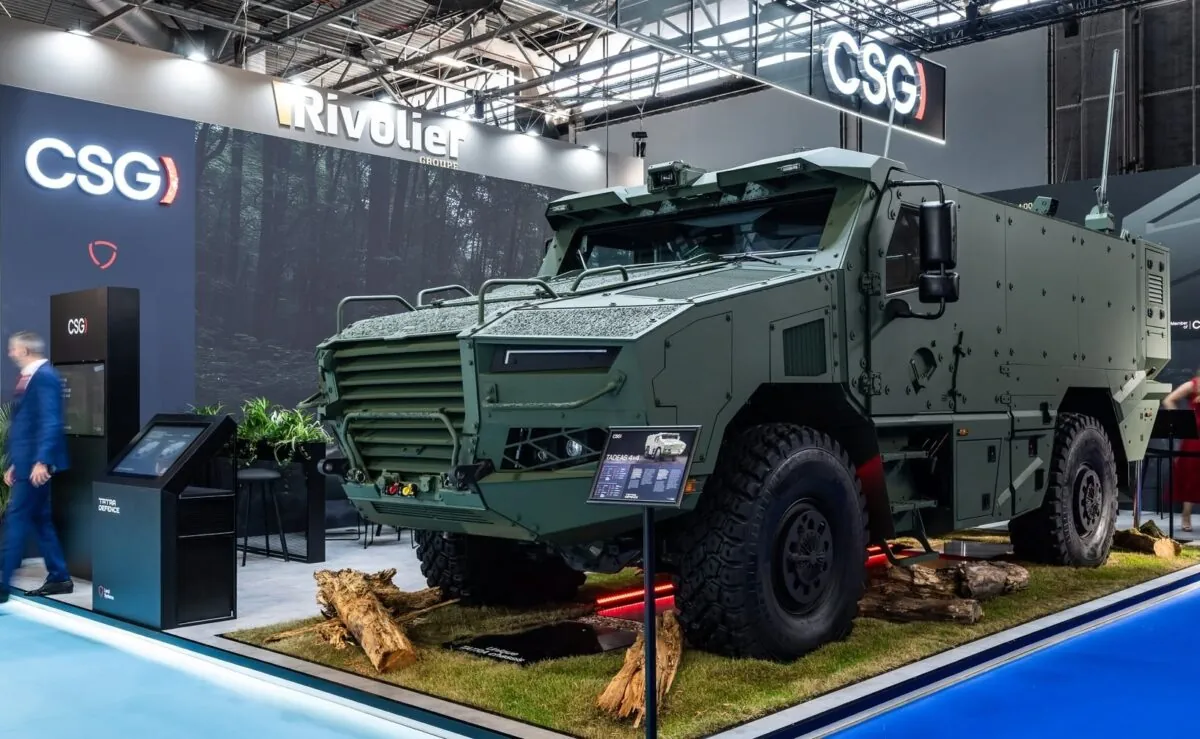
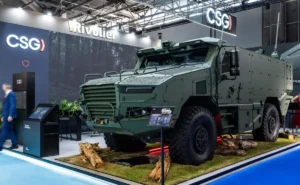
Defense Feeds, Paris – The Tadeas 4×4 command vehicle was unveiled at Eurosatory 2026 as Czech defense manufacturers seek to address growing NATO demand for mobile and survivable battlefield headquarters.
Designed to operate close to frontline units while maintaining command-and-control capabilities under combat conditions, the vehicle reflects the increasing importance of protected communications and battlefield coordination in modern warfare.
Recent conflicts have highlighted the vulnerability of traditional command posts to drone surveillance, precision-guided munitions and electronic warfare attacks. As a result, NATO members are investing in more mobile and resilient command platforms capable of relocating quickly while maintaining connectivity across the battlefield.
The introduction of the Tadeas 4×4 command vehicle comes as military planners place greater emphasis on dispersed command structures and mobile headquarters. Conventional fixed command centers have become increasingly vulnerable to detection and targeting, particularly in environments saturated with drones and advanced reconnaissance assets.
The new Czech platform is designed to provide commanders with a protected workspace that can remain operational while moving between positions. This mobility reduces the risk of being identified and targeted while allowing military leaders to maintain situational awareness closer to active operations.
Developers designed the vehicle to support command, planning and communication functions for tactical formations operating in demanding environments. By integrating communications systems, data-sharing networks and mission management tools into a protected armored platform, the vehicle aims to improve operational flexibility and battlefield responsiveness.
The concept aligns with broader NATO efforts to enhance command resilience as military forces prepare for high-intensity operations against technologically advanced opponents.
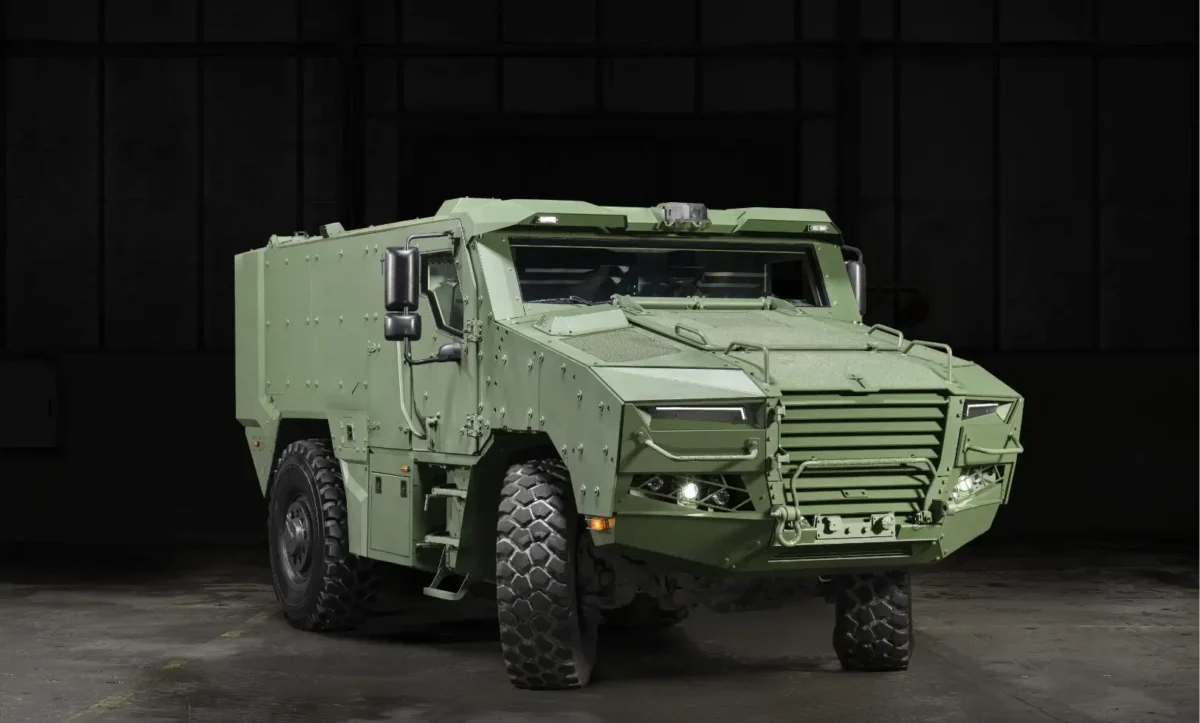
A key feature of the Tadeas platform is its ability to combine armored protection with advanced command-and-control capabilities. The vehicle is intended to serve as a mobile headquarters that can accompany frontline formations while providing secure communications and coordination functions.
Modern military operations increasingly depend on rapid information sharing between units operating across land, air and cyber domains. Maintaining these connections in contested environments requires systems capable of resisting both physical and electronic threats.
The vehicle’s protected design helps shield personnel and critical equipment from battlefield hazards while preserving operational effectiveness. At the same time, its mobility enables commanders to relocate frequently, reducing vulnerability to enemy surveillance and long-range fires.
The growing use of drones has made this capability particularly important. Unmanned aerial systems can quickly identify static headquarters, making mobility an essential element of survivability. Military organizations are therefore seeking platforms that can support command functions without exposing leadership elements to unnecessary risk.
The Tadeas concept reflects these changing operational realities by emphasizing flexibility, protection and network connectivity within a single platform.
The Tadeas 4×4 command vehicle highlights how command-and-control requirements are evolving alongside advances in reconnaissance, drone technology and precision strike capabilities. Modern battlefields generate vast amounts of information, requiring commanders to process data rapidly while maintaining secure communications under challenging conditions.
For NATO forces, ensuring the survivability of command structures has become a strategic priority. The ability to coordinate operations effectively can determine the success of military campaigns, particularly when facing adversaries capable of disrupting communications networks or targeting headquarters locations.
The vehicle also reflects growing demand for specialized command platforms rather than simply adapting standard armored vehicles for headquarters roles. Dedicated command vehicles can provide improved workspace, communications integration and operational efficiency for military staffs operating in the field.
From an industrial perspective, the unveiling demonstrates how Czech defense companies are positioning themselves within NATO modernization efforts. As alliance members continue investing in command-and-control capabilities, demand for mobile headquarters solutions is expected to increase.
The Tadeas platform arrives at a time when military organizations are rethinking how headquarters operate in contested environments. By combining protection, mobility and advanced communications, the vehicle offers a practical response to the challenges facing modern command structures and underscores the importance of survivable battlefield leadership in future conflicts.