Follow Us:

Follow Us:

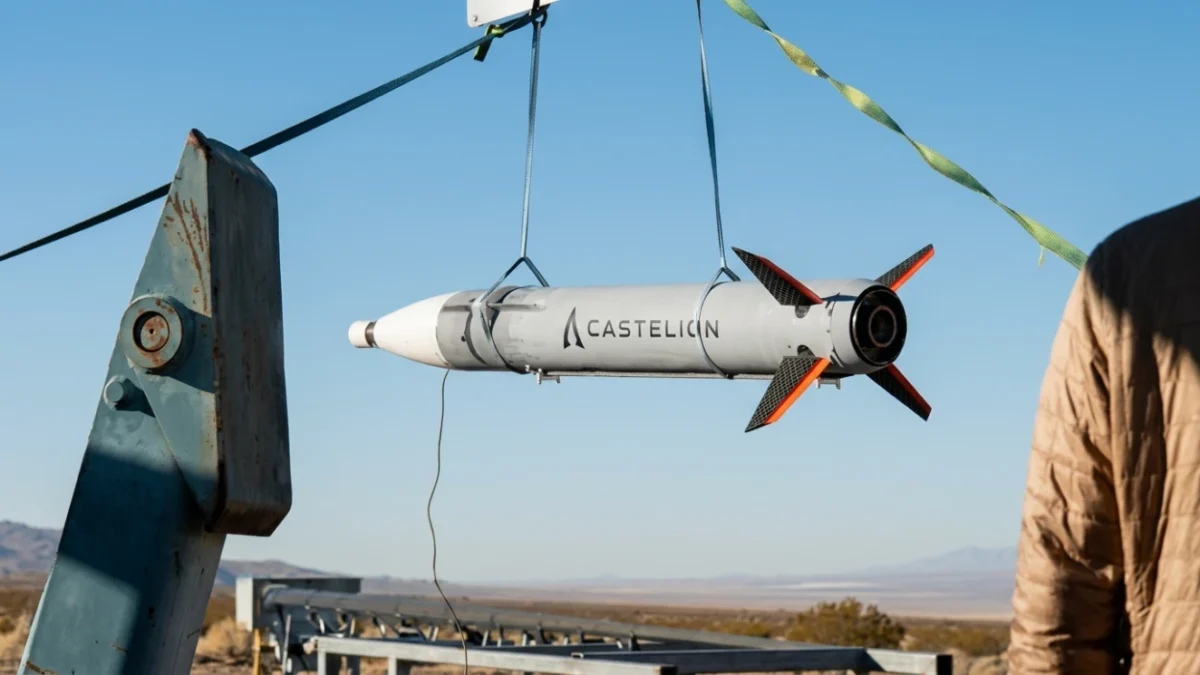
Defense Feeds, Washington – The Blackbeard hypersonic missile has moved a step closer to operational service after the U.S. Navy placed its first order for 50 missiles intended for deployment aboard F/A-18E/F Super Hornet fighter aircraft. The procurement marks a significant milestone in the Navy’s effort to field high-speed precision strike weapons capable of engaging heavily defended targets at extended ranges.
The acquisition reflects growing emphasis on hypersonic technologies as the United States seeks to maintain military advantages against increasingly capable adversaries. Integrating a hypersonic weapon with carrier-based aircraft could provide naval forces with a new option for penetrating advanced air defense networks and conducting rapid long-range strike missions.
The latest order signals confidence in the maturity of the Blackbeard program and demonstrates the Navy’s intention to move beyond development and testing phases. By procuring an initial batch of operational missiles, the service is laying the groundwork for future deployment aboard carrier air wings.
The decision comes amid broader Pentagon efforts to expand hypersonic weapon inventories across multiple branches of the armed forces. Hypersonic systems have become a major focus of defense planners due to their ability to travel at extremely high speeds while reducing an adversary’s reaction time.
Unlike conventional cruise missiles, hypersonic weapons combine speed and maneuverability, making them significantly more difficult to detect, track and intercept. These characteristics are viewed as increasingly important in future conflicts involving sophisticated air defense and missile defense systems.
For the Navy, integrating such capabilities into carrier aviation enhances the relevance of aircraft carriers in contested environments where long-range threats continue to evolve.
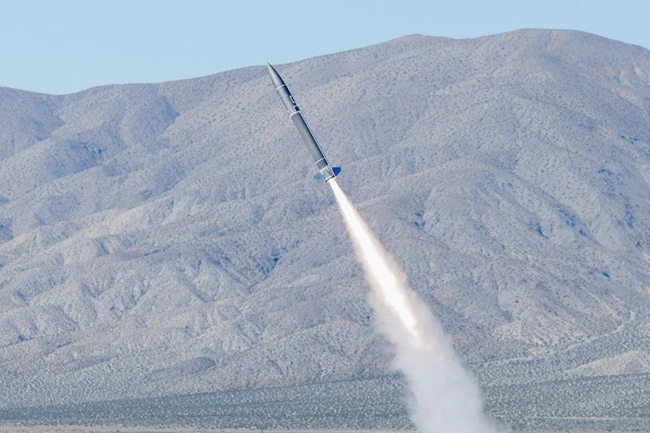
The Blackbeard hypersonic missile is designed to provide Super Hornet pilots with a powerful stand-off strike capability against high-value targets. Launching the weapon from carrier-based aircraft allows commanders to project force over large distances while reducing exposure to enemy defenses.
The missile’s hypersonic speed is expected to significantly compress engagement timelines. By reaching targets much faster than conventional weapons, it can complicate enemy defensive planning and increase the likelihood of successful mission execution.
Another important advantage is operational flexibility. Carrier-based aircraft equipped with hypersonic weapons can be deployed rapidly across different theaters without relying on fixed launch infrastructure. This mobility provides naval forces with additional options during crises and military operations.
The integration of advanced weapons onto the Super Hornet also extends the combat relevance of the aircraft as the Navy prepares for a future force structure that will increasingly include both fourth-generation and fifth-generation combat aircraft.
As hypersonic technology continues to mature, such weapons are expected to become a central component of future naval strike operations.
The Blackbeard hypersonic missile program highlights the growing importance of speed, range and survivability in modern military planning. Major powers are investing heavily in hypersonic technologies because they offer the potential to overcome increasingly sophisticated air defense architectures.
For the United States, fielding a carrier-based hypersonic weapon strengthens deterrence and enhances the Navy’s ability to operate in highly contested regions. Potential adversaries must now account for the possibility of rapid precision strikes launched from mobile naval platforms operating far from shore.
The capability is particularly relevant in the Indo-Pacific, where vast distances and advanced anti-access strategies have driven demand for longer-range and more survivable weapons. A hypersonic missile carried by Super Hornets could provide naval commanders with additional options for engaging critical targets while maintaining operational flexibility.
The procurement also reflects a broader trend toward integrating advanced technologies into existing platforms rather than waiting for entirely new aircraft or ships. This approach allows military forces to rapidly enhance combat capabilities while maximizing the value of current inventories.
As the first batch of missiles enters production, the Blackbeard program represents another step in the ongoing evolution of naval warfare. By combining carrier aviation with hypersonic strike technology, the U.S. Navy is positioning itself to meet emerging challenges and maintain operational effectiveness in increasingly complex security environments.