Follow Us:
Follow Us:

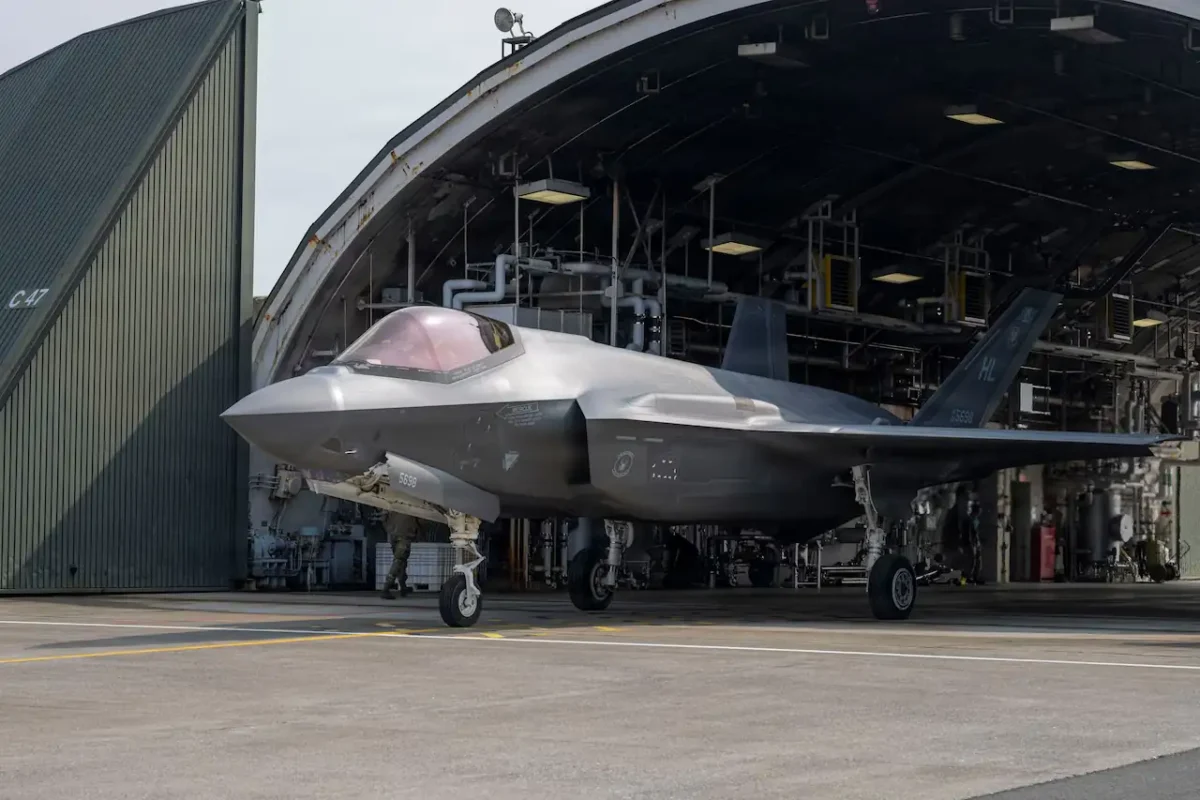
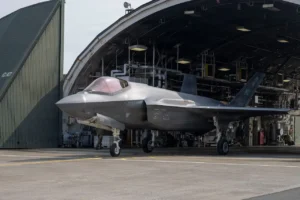
Defense Feeds – Washington. The U.S. Navy Funds 11 F-35 Fighters for Undisclosed Foreign Buyer decision has sparked interest across the defense community as questions emerge over which allied nation is preparing to expand its fleet of fifth-generation stealth aircraft.
The U.S. Navy has awarded funding for long-lead materials and critical components required to support the production of 11 F-35 fighter jets destined for an unidentified foreign customer. While the Pentagon has not disclosed the identity of the purchasing nation, the move indicates that another international operator is preparing to acquire additional aircraft from the widely adopted F-35 program.
Long-lead funding is a standard part of military aircraft production, allowing manufacturers to secure critical materials and components well before final assembly begins. Such investments help maintain production schedules and reduce delivery delays for future aircraft orders.
The development comes as global demand for fifth-generation combat aircraft continues rising, driven by growing security concerns, military modernization efforts and the increasing importance of stealth technology in future air warfare.
The F-35 Lightning II has become the cornerstone of airpower modernization programs across much of the Western world.
Produced by Lockheed Martin, the aircraft combines stealth characteristics, advanced sensors and networked battlefield capabilities designed to operate in highly contested environments. The platform is available in multiple variants tailored for conventional air forces, aircraft carriers and short takeoff and vertical landing operations.
Over the past decade, the fighter has been adopted by a growing number of nations across Europe, the Indo-Pacific and the Middle East. Countries continue expanding existing fleets while others seek entry into the program as they replace aging fourth-generation aircraft.
The decision to fund long-lead components for 11 additional jets suggests that production demand remains strong despite ongoing efforts to increase manufacturing capacity.
Military analysts note that securing critical parts early has become increasingly important due to supply chain pressures affecting the global aerospace industry. Long-lead procurement helps ensure production lines remain stable and aircraft deliveries proceed according to schedule.
Although the identity of the foreign customer remains unknown, speculation is likely to focus on current F-35 operators planning fleet expansion as well as approved buyers awaiting future deliveries.
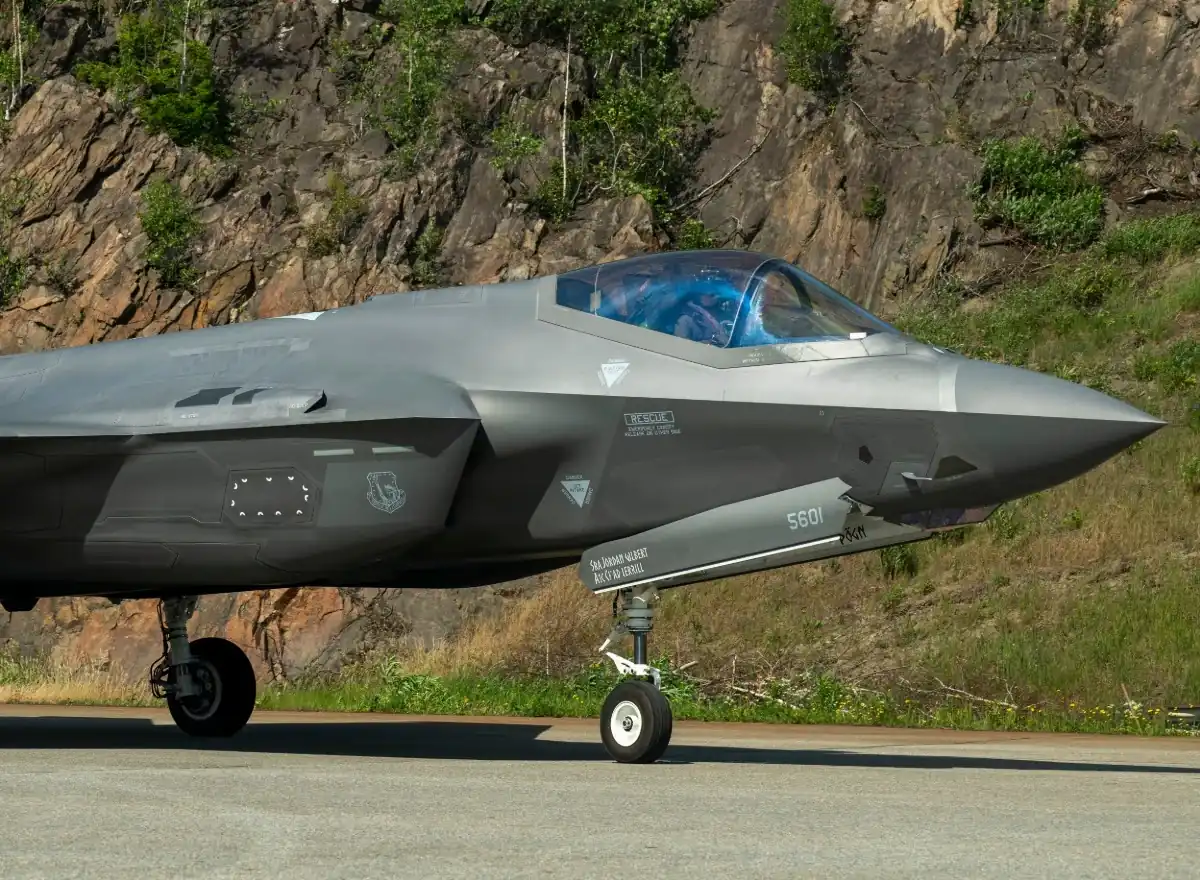
The continued growth of the F-35 program reflects broader trends shaping military aviation worldwide.
Many countries are modernizing air forces to address evolving threats that include advanced air defense systems, long-range missiles and increasingly sophisticated electronic warfare capabilities. Fifth-generation aircraft provide advantages in survivability, situational awareness and interoperability that are becoming increasingly valuable in modern combat environments.
The war in Ukraine has also reinforced the importance of airpower and precision strike capabilities, encouraging several governments to accelerate modernization plans. At the same time, growing strategic competition in the Indo-Pacific has prompted many nations to invest in advanced aircraft capable of operating alongside allied forces.
The F-35’s extensive international user base remains one of its strongest advantages. Shared training, logistics and maintenance structures enable participating countries to improve operational coordination and reduce long-term support costs.
Defense experts believe these benefits continue attracting new customers while encouraging existing operators to expand procurement plans beyond original requirements.
The undisclosed purchase may therefore reflect broader efforts by allied nations to strengthen combat aviation capabilities in response to a more demanding security environment.
The funding decision highlights the enduring importance of fifth-generation aircraft within modern military planning.
Future conflicts are expected to involve heavily defended airspace protected by integrated radar networks, advanced missile systems and electronic warfare capabilities. Aircraft operating in such environments require a combination of stealth, sensor fusion and networking capabilities to remain effective.
The F-35 was specifically developed to address these challenges. Beyond its stealth design, the aircraft functions as an information-sharing platform capable of collecting, processing and distributing battlefield data across multiple domains.
Military planners increasingly view these capabilities as essential for maintaining operational advantage during high-intensity conflicts. As a result, demand for advanced fighter aircraft remains strong despite the growing role of drones and autonomous systems.
At the same time, international interest in the F-35 continues expanding as countries seek to align more closely with U.S. and NATO operational standards. The aircraft has become a key component of allied airpower strategies across several regions.
While the identity of the latest foreign buyer remains undisclosed, the funding for 11 additional aircraft demonstrates the continued momentum of the F-35 program. As defense modernization accelerates worldwide, fifth-generation fighters remain at the center of efforts to build more capable, connected and survivable air forces for the decades ahead.