Follow Us:
Follow Us:

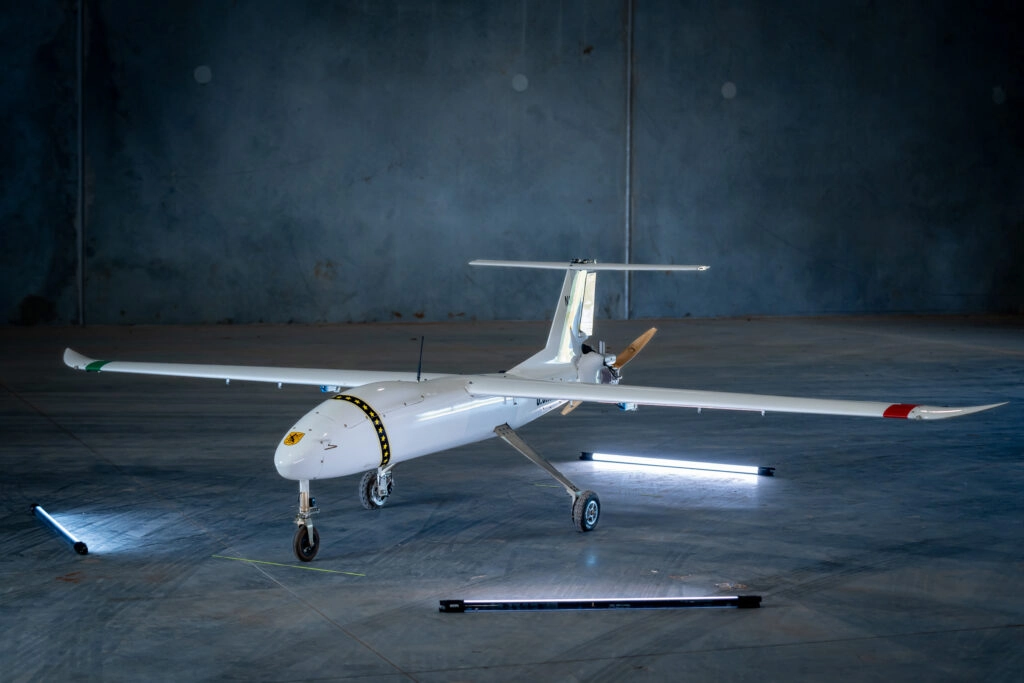
Defense Feeds – Washington. The Griffon Aerospace Secures $68M Contract for Outlaw Gen 3 Drone award highlights the Pentagon’s growing reliance on affordable unmanned systems as modern warfare increasingly shifts toward mass-produced, attritable drones capable of operating in contested environments.
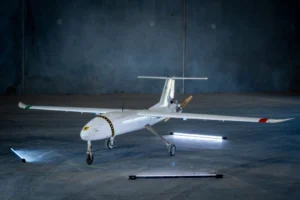
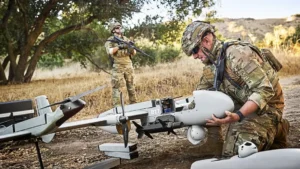
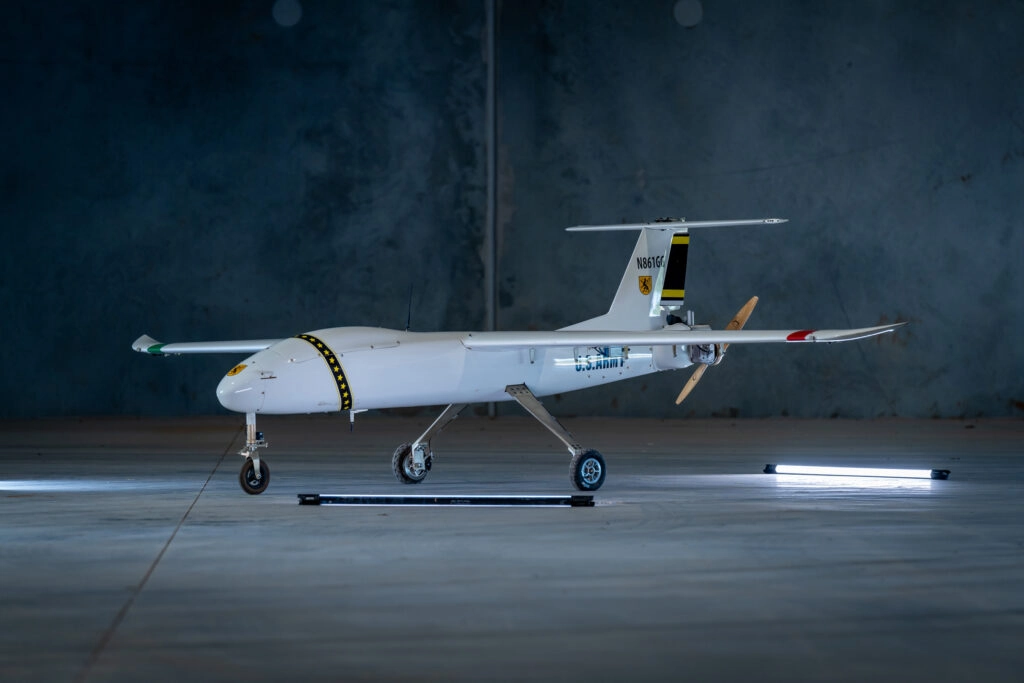
Griffon Aerospace has received a contract worth nearly $68 million to supply the newly revealed Outlaw Gen 3 unmanned aerial system, marking the first publicly disclosed connection between the platform and Operation Epic Fury, the U.S.-led military campaign against Iran. The contract signals growing military interest in low-cost drones that can support reconnaissance, strike coordination, electronic warfare and other missions without risking expensive aircraft or personnel.
The award comes as defense planners continue studying lessons from recent conflicts where inexpensive drones have delivered outsized battlefield effects against far more costly military assets. From Ukraine to the Middle East, military organizations are increasingly seeking systems that combine affordability, scalability and operational flexibility.
Analysts believe the Outlaw Gen 3 program reflects a broader Pentagon effort to expand inventories of expendable unmanned platforms capable of sustaining operations during prolonged, high-intensity conflicts.
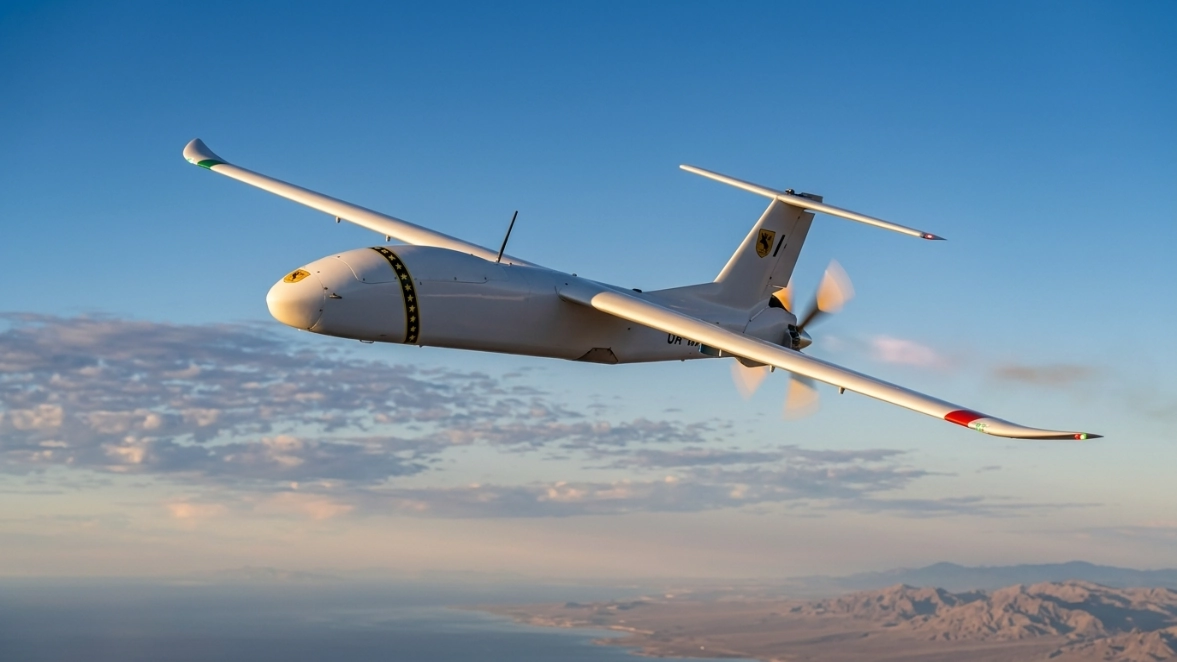
The Outlaw family has been a familiar part of U.S. military training programs for years. Earlier variants, including the MQM-170 Outlaw, were primarily used as aerial target systems for missile testing, air defense exercises and operational evaluations across multiple branches of the U.S. military.
The newly identified Outlaw Gen 3 appears to represent a significant evolution of that concept.
While technical details remain limited, military observers believe the platform likely incorporates improvements in endurance, mission flexibility and payload capacity compared with previous versions. The Pentagon has not publicly disclosed specific capabilities, but the drone’s connection to an active military operation suggests a role extending beyond traditional training activities.
Modern military campaigns increasingly require large numbers of unmanned systems capable of performing missions that would otherwise consume high-value aircraft or missile inventories. Such drones can be used for reconnaissance, threat simulation, decoy operations and electronic warfare support while reducing operational costs.
The contract also highlights how drone manufacturers are adapting to changing military requirements. Instead of focusing solely on high-end platforms, defense planners are placing greater emphasis on systems that can be produced rapidly and deployed in large numbers.
For Griffon Aerospace, the award strengthens its position within a rapidly expanding market for tactical and operational unmanned systems.
The timing of the Outlaw Gen 3 procurement reflects growing recognition that low-cost drones are becoming essential components of modern warfare.
Operation Epic Fury has demonstrated the increasing importance of unmanned systems in combat operations against sophisticated adversaries. Throughout the campaign, U.S. forces have relied on a mix of traditional airpower, missile strikes and emerging drone technologies to support military objectives.
Recent conflicts have shown that affordable drones can overwhelm defenses, gather intelligence and support precision strikes at a fraction of the cost associated with manned aircraft. Military planners increasingly view this approach as critical for maintaining operational tempo during prolonged campaigns.
The Pentagon’s growing focus on attritable systems mirrors trends seen across the global defense sector. Countries are investing heavily in unmanned platforms that can be fielded quickly and replaced if lost during combat.
Analysts note that the economics of warfare are changing. Low-cost drones can often force adversaries to expend expensive interceptors and air defense resources, creating favorable cost-exchange ratios that shape operational outcomes.
This dynamic has become particularly important as missile defense systems face increasing pressure from large-scale drone attacks and coordinated strike operations.
The Outlaw Gen 3 contract aligns with broader U.S. military efforts to expand the role of autonomous and semi-autonomous systems across future battlefields.
Defense officials have repeatedly emphasized the need for larger inventories of affordable drones capable of supporting surveillance, targeting and strike operations. Recent combat experience has reinforced the idea that future conflicts may depend as much on mass and persistence as on technological sophistication.
Military experts believe the next generation of warfare will involve extensive use of networked drones operating alongside traditional aircraft, missile systems and ground forces. Platforms such as Outlaw Gen 3 could play an important role in that evolving operational environment.
The Pentagon is already pursuing multiple programs focused on low-cost unmanned systems, including one-way attack drones, collaborative combat aircraft and autonomous maritime platforms. The goal is to create a more resilient and distributed force capable of sustaining operations even in heavily contested theaters.
For the U.S. military, the Griffon Aerospace contract represents more than a procurement decision. It reflects a continuing shift toward affordable mass, operational flexibility and scalable combat power. As global military competition intensifies, systems like the Outlaw Gen 3 may become increasingly important in shaping how future conflicts are fought and won.