Follow Us:
Follow Us:

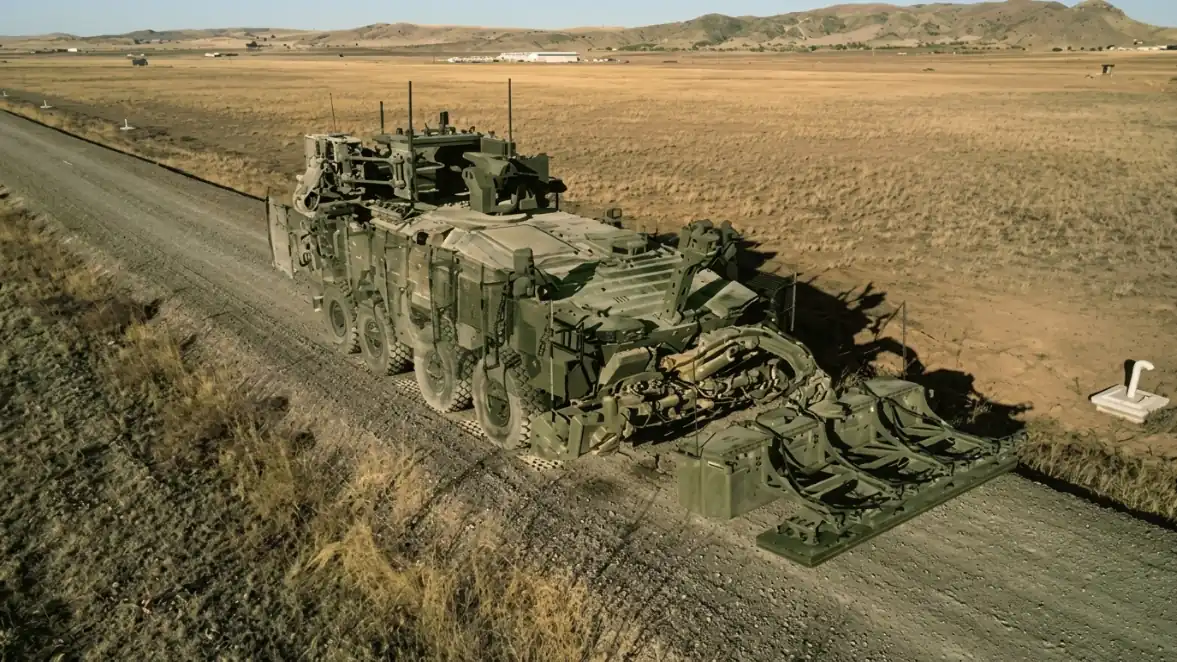
Defense Feeds – Izmir. The ASELSAN Showcases YENER 100-G Mine Detection System on ARMA 8×8 demonstration at EFES 2026 highlighted Türkiye’s continued investment in advanced battlefield engineering technologies designed to improve route clearance operations and protect military forces from hidden explosive threats.
Unveiled during one of the region’s largest multinational military exercises, the YENER 100-G system integrates advanced mine detection technology onto the ARMA 8×8 armored vehicle platform, creating a mobile solution capable of identifying explosive hazards while maintaining operational mobility.
The system is intended to support both Turkish Armed Forces missions and broader NATO requirements for route security in contested environments.
As modern conflicts increasingly feature improvised explosive devices, anti-vehicle mines and concealed battlefield obstacles, militaries are placing greater emphasis on technologies that allow combat formations to maneuver safely through hostile territory.
Systems such as YENER 100-G are designed to address those challenges while reducing risks to engineering personnel operating near potential explosive threats. The latest demonstration underscores Türkiye’s growing role in developing indigenous defense technologies that support alliance interoperability and battlefield survivability.
The YENER 100-G mine detection system was developed by Turkish defense electronics company ASELSAN to provide military engineers with an advanced tool for detecting buried explosive hazards during combat and security operations.
Mounted on the ARMA 8×8 armored vehicle produced by OTOKAR, the system combines mobility with specialized detection capabilities, allowing operators to survey routes while remaining protected inside an armored platform.
Route clearance remains one of the most critical tasks during military operations. Hidden mines and improvised explosive devices can slow advances, disrupt logistics networks and inflict significant casualties. Modern armed forces therefore require systems capable of rapidly identifying threats while minimizing exposure to danger.
Defense analysts note that integrating mine detection equipment onto armored vehicles offers several advantages. Crews can conduct reconnaissance missions over larger areas while maintaining protection from small arms fire, shrapnel and potential blast effects. The mobility of the ARMA 8×8 platform also allows route clearance units to support fast-moving combat formations operating across diverse terrain.
The YENER 100-G system is expected to improve operational efficiency by enabling engineers to detect explosive hazards before troops and vehicles enter potentially dangerous zones.
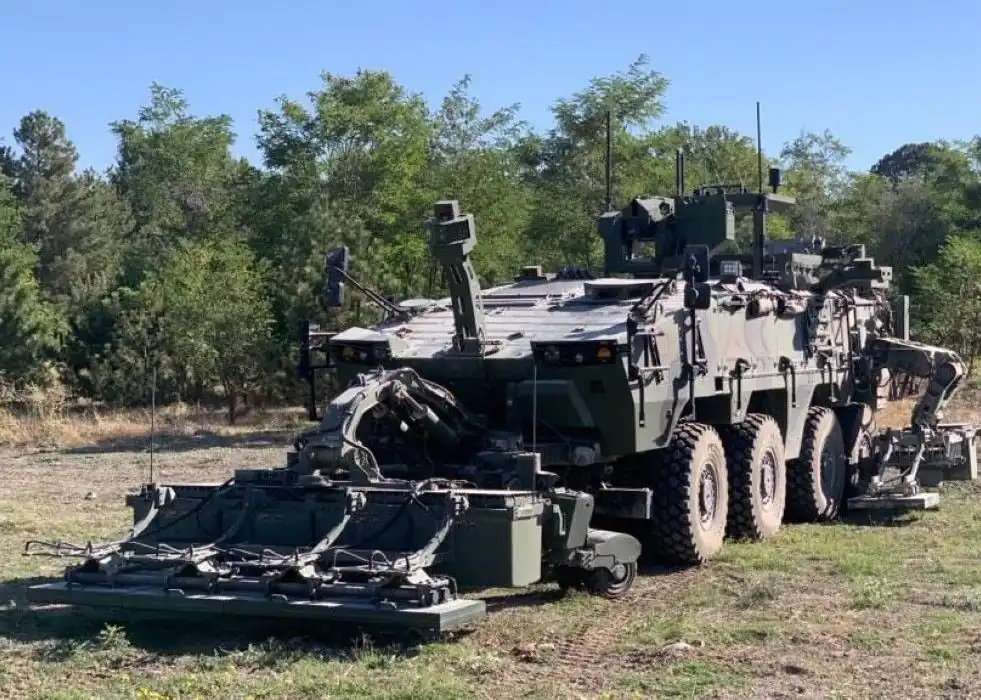
The unveiling of the system at EFES 2026 comes as NATO members continue strengthening mobility and survivability capabilities across alliance forces.
Recent conflicts have demonstrated that freedom of movement remains essential for military success. Even highly advanced combat formations can become vulnerable when routes are blocked by mines, improvised explosive devices or other engineered obstacles.
The war in Ukraine has reinforced the strategic importance of battlefield engineering and route clearance operations. Extensive minefields deployed by both sides have significantly influenced maneuver warfare, forcing commanders to dedicate substantial resources to breaching and clearance efforts.
As a result, NATO countries are investing more heavily in specialized engineering vehicles, mine detection technologies and obstacle-clearing systems capable of supporting operations in contested environments.
Türkiye has emerged as a significant contributor to these efforts through its expanding domestic defense industry. The country continues developing indigenous platforms ranging from armored vehicles and drones to missile systems and advanced electronics.
Military observers believe systems like YENER 100-G could support both national defense requirements and multinational NATO missions where route security is critical for maintaining operational momentum.
The ability to clear safe pathways for armored units, logistics convoys and infantry formations remains a fundamental requirement in both conventional warfare and peacekeeping operations.
Advances in mine warfare and battlefield obstacles are driving demand for more sophisticated detection systems across global armed forces.
Modern explosive threats are often concealed beneath roads, fields and urban environments, making them difficult to identify using traditional methods. At the same time, military operations increasingly require rapid movement across large operational areas where delays can have significant tactical consequences.
This has encouraged defense companies to develop advanced sensor technologies capable of detecting hidden hazards with greater accuracy and speed. Vehicle-mounted systems provide an attractive solution because they combine protection, mobility and operational efficiency.
The YENER 100-G reflects this broader trend toward integrating advanced sensors with armored platforms. Such systems allow military engineers to conduct route assessments while reducing the need for personnel to operate directly within high-risk areas.
For NATO planners, maintaining mobility during future conflicts will remain a critical priority. Forces unable to move safely and efficiently across contested terrain risk losing operational flexibility and battlefield initiative.
The EFES 2026 demonstration showcased how emerging technologies can help address those challenges. As mine threats continue evolving, systems like the YENER 100-G are likely to play an increasingly important role in ensuring force protection, operational mobility and mission success for both Turkish and allied forces.