Follow Us:

Follow Us:

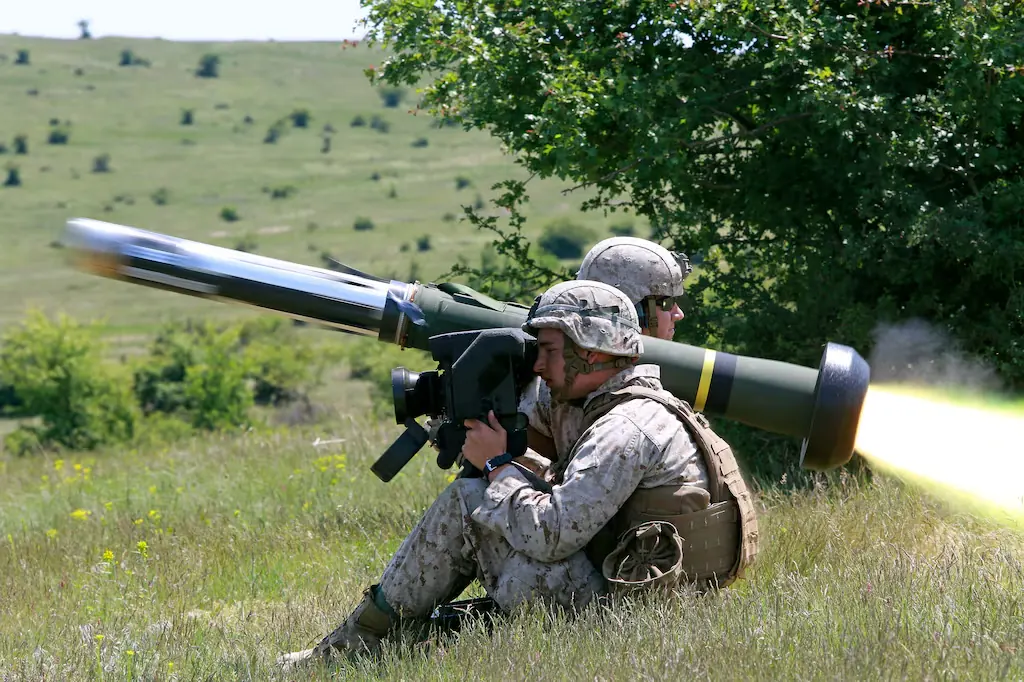
Defense Feeds – Washington. The U.S. Army Fields Upgraded Javelin Launcher With Extended Range initiative marks a major enhancement to one of the military’s most widely used anti-tank weapon systems as American forces continue modernizing capabilities for future high-intensity conflicts.
The U.S. Army has begun receiving the latest generation of Javelin Command Launch Units (CLUs), bringing substantial improvements in target detection, identification and engagement capabilities. According to program details, the upgraded system provides approximately twice the detection range of earlier launch units, giving troops a greater ability to identify threats at extended distances before entering engagement zones.
The development comes as militaries around the world place renewed emphasis on anti-armor warfare following battlefield lessons from Ukraine, where anti-tank guided missiles proved highly effective against armored formations. The upgraded launcher is expected to strengthen the operational effectiveness of the Javelin missile system while improving battlefield awareness for infantry and anti-tank units.
Military planners view enhanced target acquisition capabilities as increasingly important in modern combat environments where speed of detection can determine survival and mission success.
The Javelin anti-tank missile system has long been regarded as one of the most effective infantry-carried anti-armor weapons in service. Developed by the joint venture between Lockheed Martin and RTX Corporation, the weapon gained global recognition through its extensive use in conflicts ranging from Iraq and Afghanistan to the war in Ukraine.
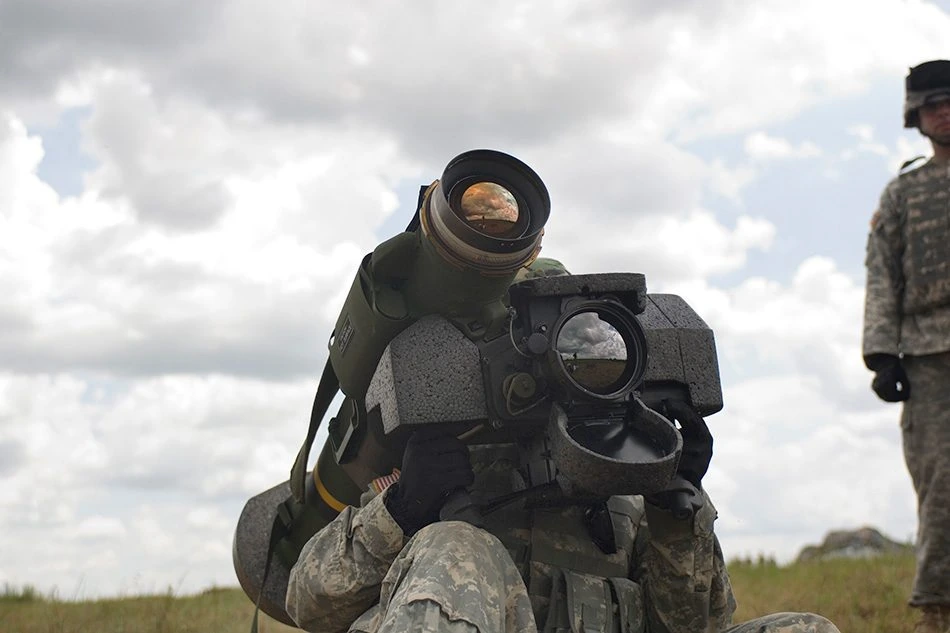
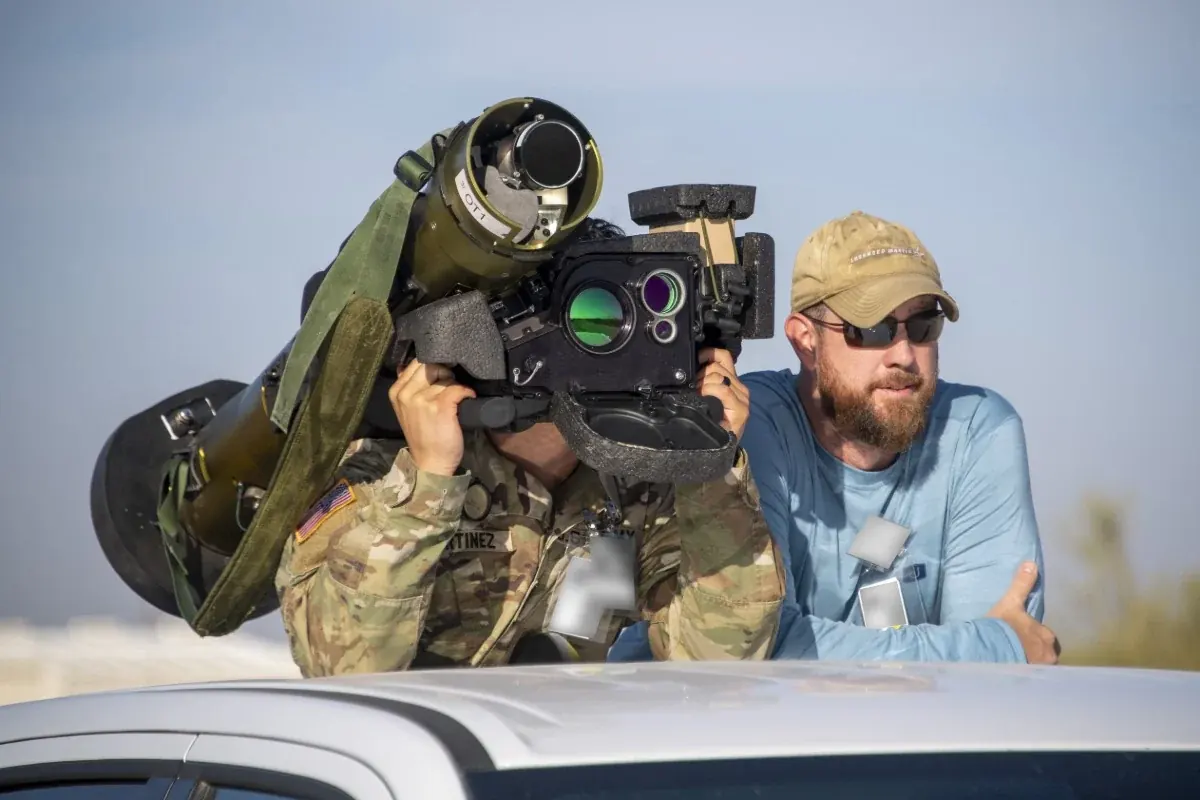
At the center of the latest modernization effort is the new Lightweight Command Launch Unit, often referred to as the LWCLU. The upgraded launcher introduces improved sensors, enhanced optics and more advanced thermal imaging capabilities designed to help operators detect and identify targets at much greater distances.
While the missile itself remains a highly capable fire-and-forget weapon, the launch unit serves as the system’s eyes on the battlefield. Enhancing detection performance allows soldiers to locate enemy armored vehicles, fortified positions and other threats earlier, providing additional time to assess targets and coordinate engagements.
The new launcher is also expected to improve operational effectiveness in poor visibility conditions, including nighttime operations and adverse weather environments where traditional visual identification can be difficult.
Defense analysts note that modern battlefields increasingly reward forces capable of identifying threats first. In many cases, superior situational awareness can be just as important as weapon range or firepower.
The growing importance of anti-tank missile systems has been clearly demonstrated by the war in Ukraine, where portable guided weapons have repeatedly challenged armored assaults and reshaped battlefield tactics.
Systems such as the FGM-148 Javelin became symbols of modern anti-armor warfare during the early stages of the conflict. Their ability to engage tanks from relatively safe distances helped infantry units counter numerically superior armored formations.
However, military experts point out that missile effectiveness depends heavily on the ability to locate and identify targets quickly. This is why improvements to the launch unit are viewed as strategically significant.
The U.S. Army’s latest upgrade reflects a broader trend toward enhancing sensors, targeting systems and battlefield networking rather than focusing solely on kinetic performance. Modern combat increasingly revolves around information dominance, where forces that can detect, process and act on battlefield data faster than their opponents gain a major advantage.
The improved Javelin launcher also aligns with wider Army modernization efforts that emphasize long-range precision fires, advanced reconnaissance systems and improved battlefield connectivity.
As armored warfare continues evolving, anti-tank teams are expected to operate in more dispersed formations supported by drones, digital command systems and real-time intelligence networks.
The introduction of the upgraded Javelin Command Launch Unit highlights a broader shift occurring across military forces worldwide. Future combat environments are expected to be more complex, faster-paced and saturated with sensors than ever before.
Drones, satellites and advanced surveillance systems now provide unprecedented levels of battlefield visibility. At the same time, adversaries are developing better camouflage, electronic warfare capabilities and counter-surveillance techniques to avoid detection.
This competition places increasing value on advanced optics and targeting systems capable of locating threats before they can engage friendly forces.
For the U.S. Army, improving the Javelin launcher’s detection range supports both defensive and offensive operations. Soldiers can identify potential targets earlier, maintain greater stand-off distance and make more informed engagement decisions under pressure.
The upgrade also ensures that the Javelin system remains relevant against emerging armored threats while complementing broader modernization efforts across the Army’s combat formations.
As global militaries continue investing in next-generation armor, drones and precision-guided weapons, the ability to see first and strike first is becoming one of the most decisive factors on the battlefield. The Army’s newest Javelin launch units are designed precisely with that objective in mind, providing troops with a significant advantage in future combat operations.