Follow Us:
Follow Us:

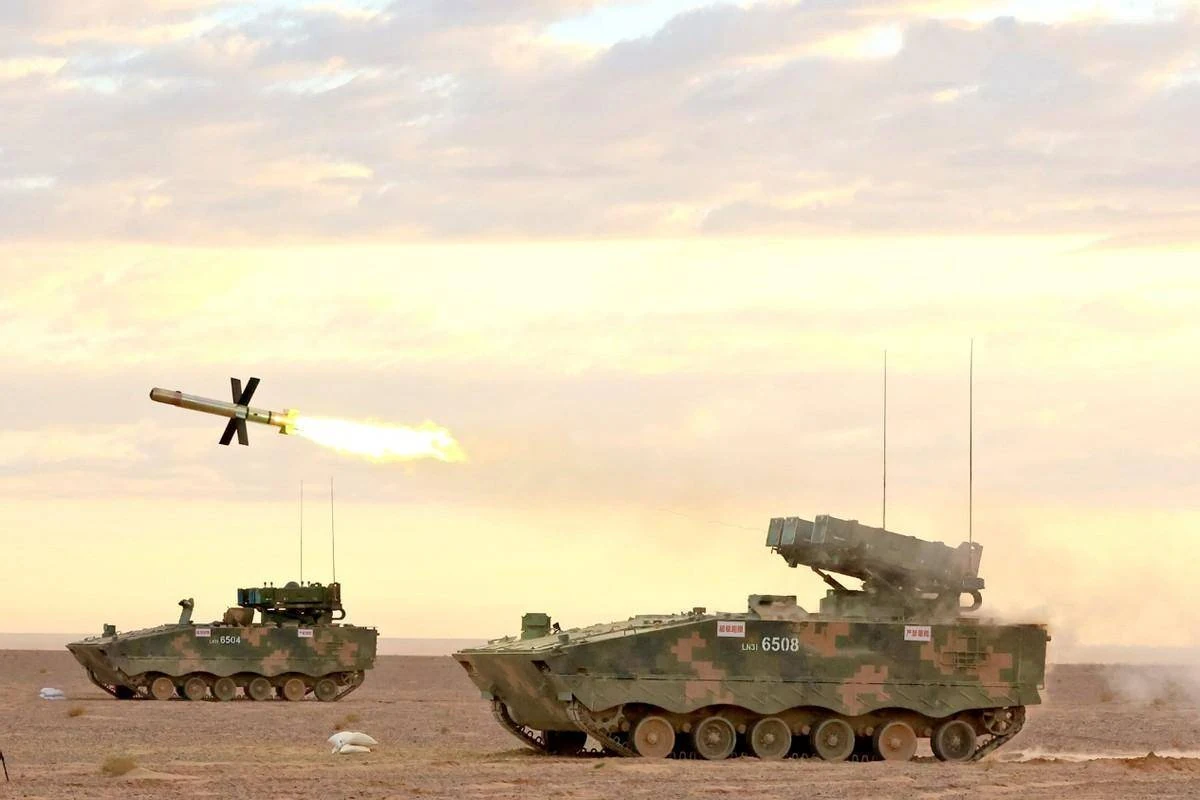
Defense Feeds – Beijing. China Tests HJ-10 Missile to Strengthen Anti-Armor Warfare exercise in the Gobi Desert highlights Beijing’s continuing efforts to modernize its land warfare capabilities as the People’s Liberation Army expands focus on mobile precision-strike operations and battlefield survivability.
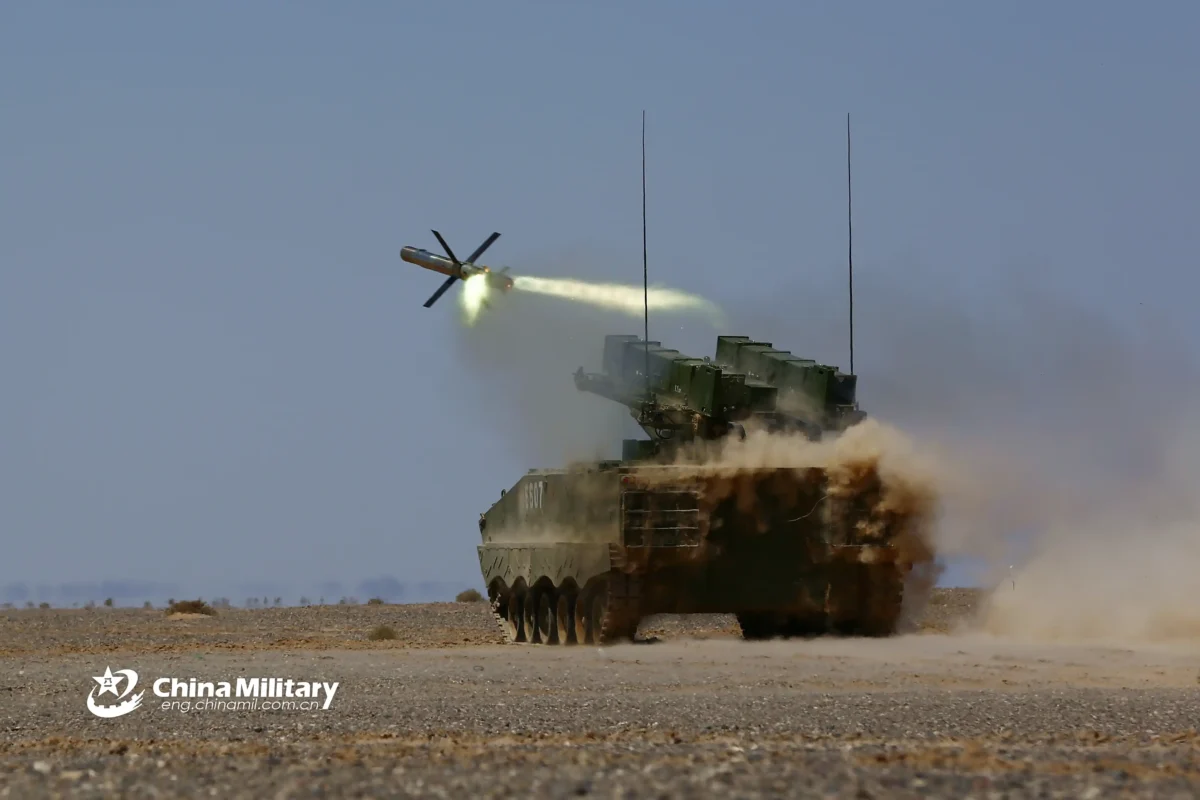
Recent training activities involving the HJ-10 anti-tank guided missile system demonstrated the PLA’s growing emphasis on long-range anti-armor warfare under harsh operational conditions. The drills reportedly involved mobile launch platforms conducting strike operations across desert terrain designed to simulate demanding combat environments where rapid deployment and maneuverability are essential.
Military analysts view the HJ-10 as one of China’s most advanced anti-tank missile systems currently in operational service. The platform is designed to engage heavily armored vehicles, fortified positions and battlefield targets at extended ranges while allowing launch crews to remain mobile and harder to detect.
The latest exercise comes as China continues accelerating military modernization programs aimed at improving readiness for high-intensity conflicts involving advanced mechanized forces and long-range battlefield engagements.
The HJ-10 missile system forms part of a broader Chinese military strategy focused on precision-guided weapons, rapid mobility and networked battlefield operations. Mounted on mobile combat vehicles, the missile platform provides the PLA with the ability to conduct anti-armor strikes while minimizing exposure to enemy fire.
Defense experts often compare the HJ-10 to advanced Western anti-tank missile systems due to its long operational range and guided strike capability. The missile is believed to support fire-and-forget functionality along with advanced targeting systems designed to improve effectiveness against moving armored targets.
The Gobi Desert exercise appears intended to strengthen operational readiness under difficult terrain and climate conditions. Desert warfare environments place significant pressure on logistics, targeting systems and vehicle mobility, making them valuable training grounds for military forces preparing for complex combat scenarios.
The PLA has increasingly prioritized realistic field exercises as part of wider reforms intended to transform China’s armed forces into a more modern and technologically capable military. Training now places greater emphasis on joint operations, rapid maneuver warfare and precision strike coordination across multiple combat domains.
Analysts say anti-tank missile systems remain highly relevant despite the growing role of drones and long-range artillery in modern warfare. Armored vehicles continue serving as key battlefield assets, particularly in large-scale mechanized operations where mobility and firepower remain essential.
The global importance of anti-armor systems has grown significantly following the war in Ukraine where anti-tank missiles played a major role in slowing armored offensives and shaping battlefield tactics.
Western-supplied systems such as the FGM-148 Javelin and NLAW demonstrated how portable precision-guided weapons could threaten even heavily armored formations under the right operational conditions.
China appears to be studying those battlefield lessons closely.
The PLA’s investment in long-range anti-tank systems suggests Beijing recognizes the continuing importance of mobile missile warfare in future high-intensity conflicts. Modern anti-armor missiles provide militaries with the ability to strike tanks and fortified targets from safer distances while supporting highly mobile combat operations.
Military observers also believe the HJ-10 could play an important role in potential regional conflict scenarios involving rapid maneuver warfare and contested terrain. Mobile missile systems are especially valuable in environments where battlefield positions may shift quickly and survivability depends heavily on constant movement.
China’s defense industry has spent years expanding domestic missile development capabilities across nearly every category including anti-ship weapons, air defense systems and tactical strike missiles. The HJ-10 reflects that broader push toward advanced indigenous weapons production.
The continued expansion of Chinese missile forces remains a major focus for neighboring countries and Western defense planners monitoring the balance of power in the Indo-Pacific region.
The latest HJ-10 exercise also reflects how the PLA is adapting ground combat doctrine around modern battlefield realities shaped by drones, precision strikes and electronic warfare.
Future land warfare is expected to involve highly mobile formations operating under constant surveillance from satellites, drones and reconnaissance systems. This places increasing importance on mobility, concealment and rapid engagement capability.
China’s military modernization strategy has increasingly focused on creating more flexible and technologically advanced combat forces capable of operating across multiple domains simultaneously. Precision-guided missiles, autonomous systems and integrated battlefield networks now play a central role in that transformation.
At the same time, Beijing continues expanding training activities designed to prepare troops for operations in diverse terrain environments including deserts, mountains and urban areas.
The Gobi Desert exercise demonstrates the PLA’s effort to ensure missile crews and mobile combat units can maintain operational effectiveness under difficult field conditions while supporting rapid battlefield maneuver operations.
As regional military competition continues intensifying across Asia, China’s expanding investment in advanced anti-armor systems signals that precision-guided missile warfare will remain a key pillar of future PLA ground combat strategy. For neighboring militaries observing closely, the latest HJ-10 drills offer another reminder of how quickly China’s land warfare capabilities continue evolving.