Follow Us:
Follow Us:

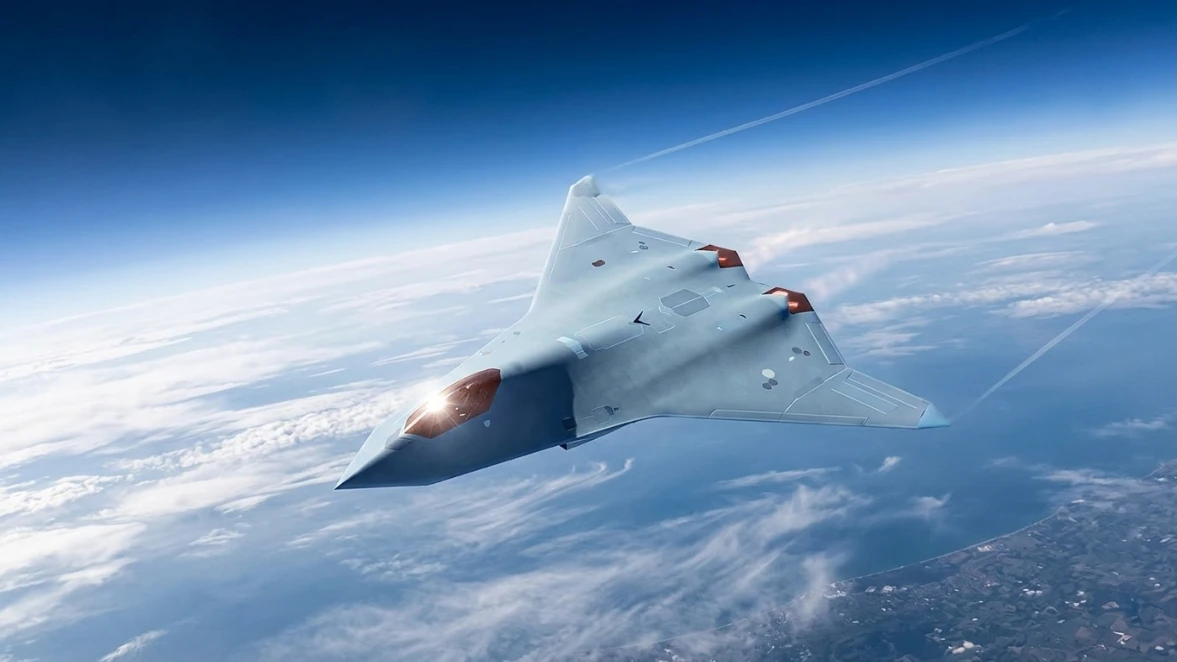
Defense Feeds – Washington. The US Speeds Up F-47 and Drone Fighters to Match China strategy highlights the intensifying race between Washington and Beijing to dominate the future of air warfare as both powers rapidly develop next-generation fighter aircraft and AI-enabled combat drones.
The United States is now accelerating work on its upcoming F-47 fighter platform alongside a growing fleet of collaborative combat aircraft, or CCA drones, amid concerns over China’s advancing J-36 and J-50 stealth aircraft programs.
Pentagon officials increasingly view autonomous drone wingmen and sixth-generation fighters as essential for maintaining air superiority in a future conflict across the Indo-Pacific region.
The growing competition reflects a broader transformation in military aviation where artificial intelligence, stealth technology and unmanned systems are beginning to reshape the balance of power between major global militaries.
American defense planners believe future air combat will depend not only on advanced fighter jets but also on highly networked formations involving autonomous drones capable of reconnaissance, electronic warfare and strike missions operating alongside crewed aircraft.
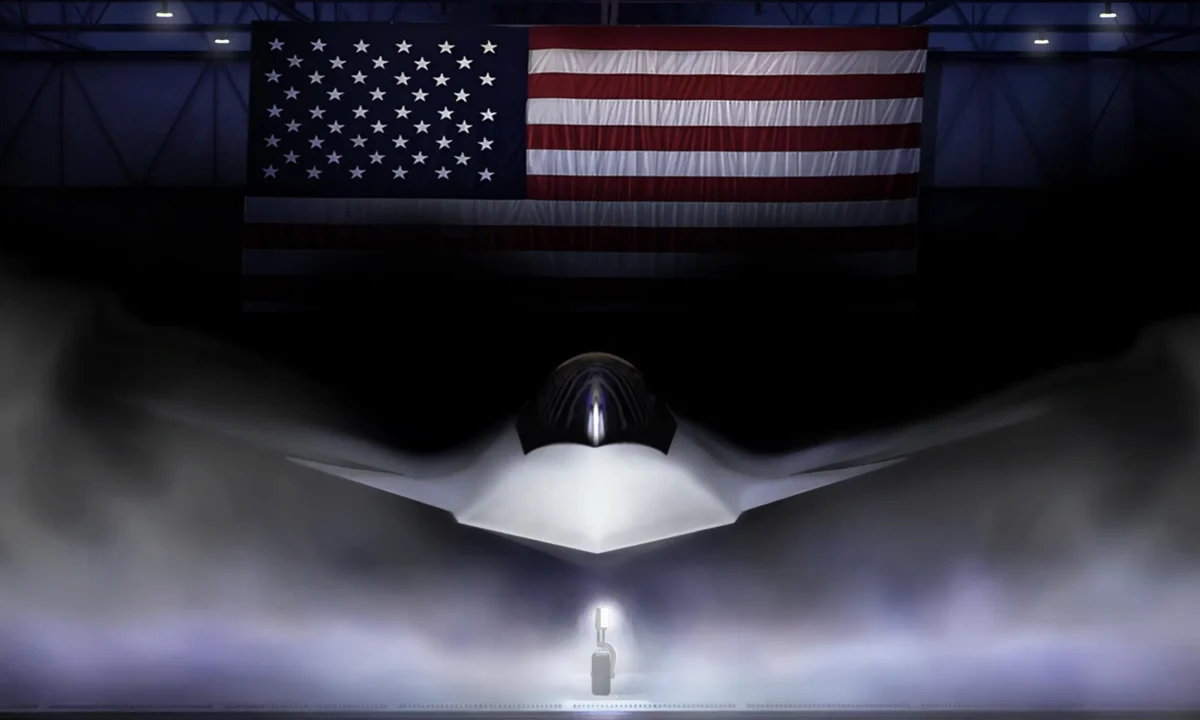
The F-47 fighter program forms part of the U.S. Air Force’s broader Next Generation Air Dominance initiative, an effort aimed at replacing or complementing existing fifth-generation aircraft such as the Lockheed Martin F-35 Lightning II and F-22 Raptor in future high-threat combat environments.
Although many details surrounding the F-47 remain classified, defense analysts expect the aircraft to feature advanced stealth shaping, AI-assisted systems, expanded sensor fusion and long-range operational capability optimized for Indo-Pacific warfare scenarios.
The United States is also heavily investing in collaborative combat aircraft, unmanned drone systems designed to operate alongside crewed fighters during combat missions. These autonomous platforms could carry missiles, conduct surveillance missions or perform electronic warfare tasks while reducing risks to human pilots.
Military officials believe combining manned aircraft with large numbers of AI-enabled drones may provide a major operational advantage against heavily defended airspace protected by advanced missile systems and integrated radar networks.
The Pentagon’s urgency appears closely tied to concerns surrounding China’s rapidly advancing military aviation sector. Beijing has steadily expanded development of stealth aircraft, hypersonic weapons and long-range missile systems as part of broader efforts to challenge American military dominance in the Western Pacific.
The emergence of China’s J-36 and J-50 programs has attracted particular attention among Western defense observers who see them as indicators of China’s accelerating aerospace ambitions.
China’s aviation industry has made rapid progress over the past decade, transforming from a largely regional force into a serious competitor in advanced combat aircraft development.
Reports surrounding the J-36 and J-50 projects suggest Beijing is pursuing next-generation stealth fighter concepts potentially designed to rival future American sixth-generation aircraft. Although official details remain limited, Chinese military modernization has increasingly focused on long-range air dominance, sensor integration and networked battlefield capabilities.
Defense analysts believe China’s future fighter programs will likely emphasize operations around Taiwan and the broader Indo-Pacific theater where long operational range and survivability are becoming increasingly important.
Beijing has already fielded the Chengdu J-20 stealth fighter while continuing work on advanced drones and missile technologies intended to complicate U.S. military intervention scenarios in the region.
The race between American and Chinese aerospace programs is no longer limited to traditional fighter aircraft alone. Autonomous systems are becoming a central element of future military aviation planning on both sides.
Drone wingmen could allow air forces to deploy larger and more flexible formations without dramatically increasing pilot requirements or operational risk. Military experts believe these systems may eventually conduct dangerous missions such as electronic attack, suppression of enemy air defenses and forward reconnaissance with limited direct human control.
This shift toward AI-assisted warfare is expected to become one of the defining characteristics of future military competition between Washington and Beijing.
The accelerating development of next-generation fighters and collaborative drones signals a major transformation in how air warfare is expected to evolve over the coming decades.
Traditional fighter aircraft remain critical, but military planners increasingly view networked autonomous systems as equally important for maintaining battlefield superiority. Future combat operations may involve swarms of drones supporting stealth fighters in highly contested environments filled with advanced missiles, electronic warfare threats and cyber attacks.
The war in Ukraine has already demonstrated the growing importance of drones across modern warfare, though future conflicts between major powers would likely involve far more sophisticated autonomous systems operating at much greater scale.
American defense officials continue warning that maintaining technological superiority over China will require sustained investment in aerospace innovation, AI integration and next-generation weapons development.
At the same time, the costs and complexity of sixth-generation fighter programs remain enormous. Developing advanced aircraft while integrating autonomous systems, secure communications and AI-supported combat management creates significant industrial and operational challenges.
Even so, both Washington and Beijing appear determined to push forward aggressively.
The race surrounding the F-47, collaborative combat aircraft and China’s J-36 and J-50 programs increasingly reflects a much larger strategic competition. Future military dominance may ultimately depend not only on who builds the best fighter jet, but also on who masters the integration of artificial intelligence, stealth technology and autonomous combat systems first.