Follow Us:
Follow Us:

Defense Feeds – GA-ASI Unveils YFQ-42A Drone as the Four-Star Lead Partner at the 25th International Fighter Conference in Rome, November 4-6.
General Atomics Aeronautical Systems, Inc. (GA-ASI) is capturing the spotlight with over three decades of experience advancing military unmanned aerial systems.
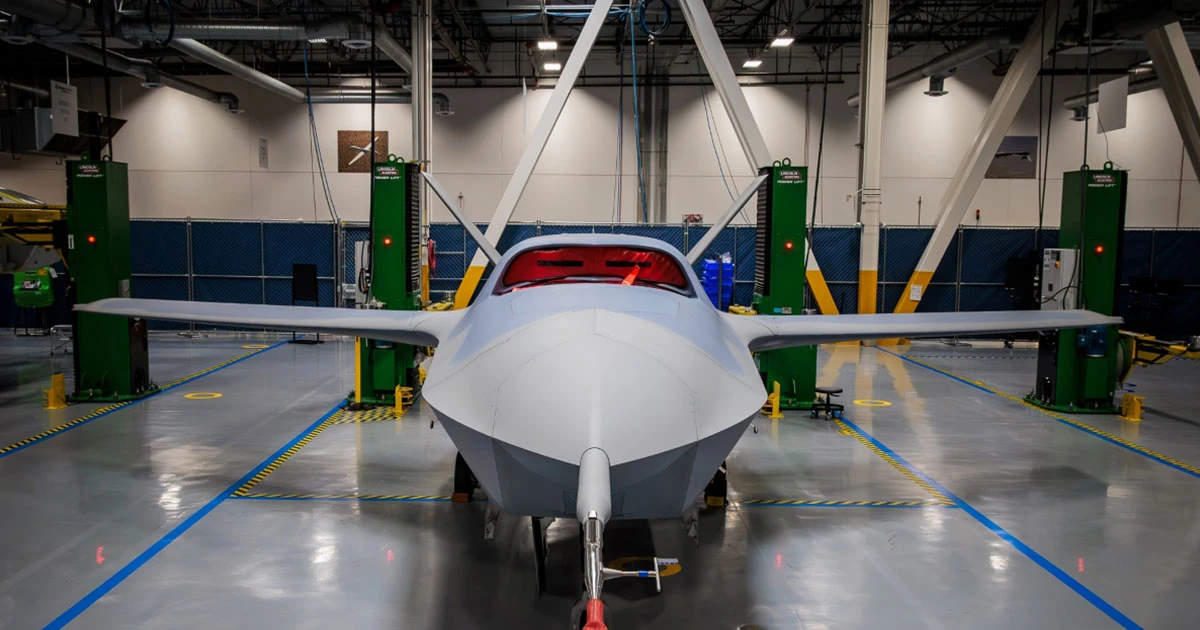
GA-ASI unveils YFQ-42A drone, showcasing its pioneering work in autonomous flight technology and manned-unmanned teaming, marking a significant leap forward in future airpower capabilities.
The YFQ-42A, revealed by GA-ASI president David R. Alexander, began flight operations in August and is already part of regular testing.
Far from being a prototype stuck in development, the YFQ-42A is in active production and flying today.
Alexander emphasized that this milestone is “not a ‘wait and see’ moment,” underscoring the company’s commitment to delivering advanced combat capability without delay.
The drone is slated to have a production-representative version airborne for the U.S. Air Force by summer 2025, setting the stage for its role in the rapidly evolving Collaborative Combat Aircraft (CCA) initiative.
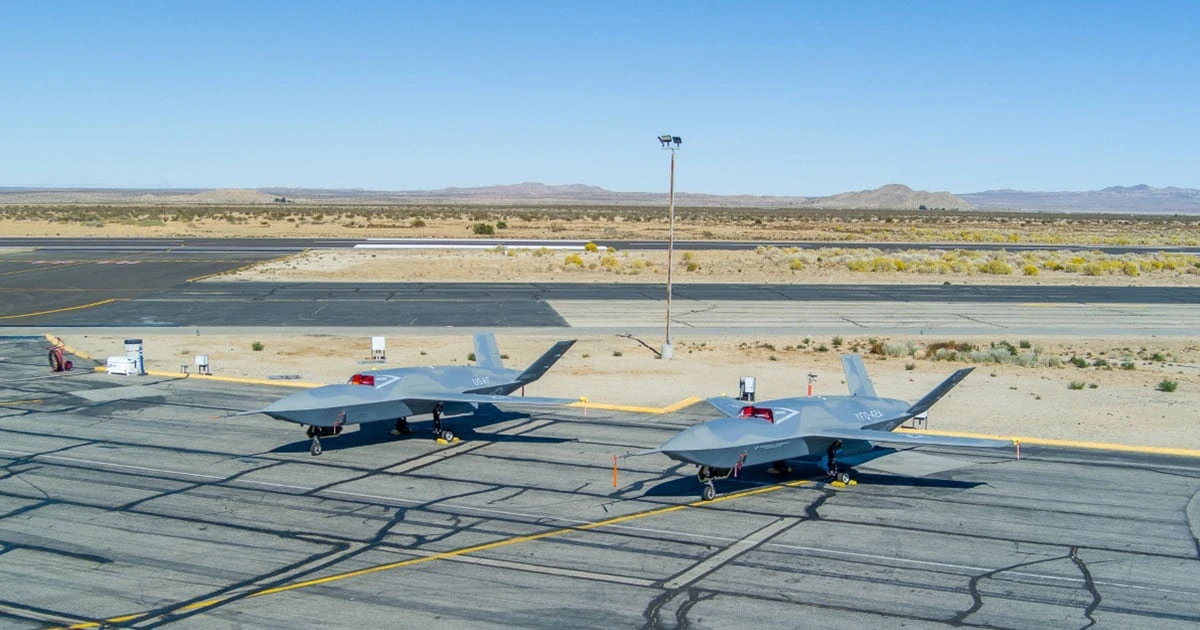
GA-ASI’s unveiling aligns with the conference’s focus on the future of tactical airpower, attracting leading defense officials, program managers, and industry experts.
Throughout the event, attendees can view a full-scale model of the YFQ-42A, built to demonstrate the drone’s role in expanding the Air Force’s vision for next-generation unmanned teaming.
The YFQ-42A is designed to operate alongside crewed fighters and other assets, supporting missions that demand flexibility and rapid response.
With its roots in the broader CCA program, the YFQ-42A stands as a key asset for advanced autonomous systems and allied airpower modernization.
Supporting its reputation as an industry trailblazer, GA-ASI stresses ongoing investment in sophisticated software and control systems.
The MQ-20 Avenger, another platform central to autonomy testing, has been used to trial next-gen AI piloting and mission software, much of it built internally or sourced from government partners.
This ongoing work underpins the push for reliable and scalable unmanned combat platforms able to integrate with traditional fighter jets and support high-stakes air operations.
Since 1992, GA-ASI has delivered over 1,300 unmanned combat aircraft to U.S. forces and allied countries, including key platforms like the Predator, Reaper, gGay Eagle, SkyGuardian, and SeaGuardian, which support long-endurance surveillance and combat operations.
In recent months, the company crossed the significant achievement of logging 9 million flight hours over its entire unmanned fleet, reinforcing its leadership in intelligence, surveillance, and reconnaissance (ISR) as well as airstrike roles.
As the company continues leveraging the MQ-20 Avenger for autonomous research, the introduction of the YFQ-42A at Rome reflects a shift toward rapidly deployable, multi-domain drone fighters.
With the world’s air forces pushing for faster innovation and operational flexibility, GA-ASI’s latest moves signal an intensifying drive for scalable, reliable, and networked unmanned combat solutions.
For military analysts, the YFQ-42A’s public debut offers a clearer path toward integrating drones with manned platforms, setting benchmarks for future airpower and autonomous warfare.