Follow Us:
Follow Us:

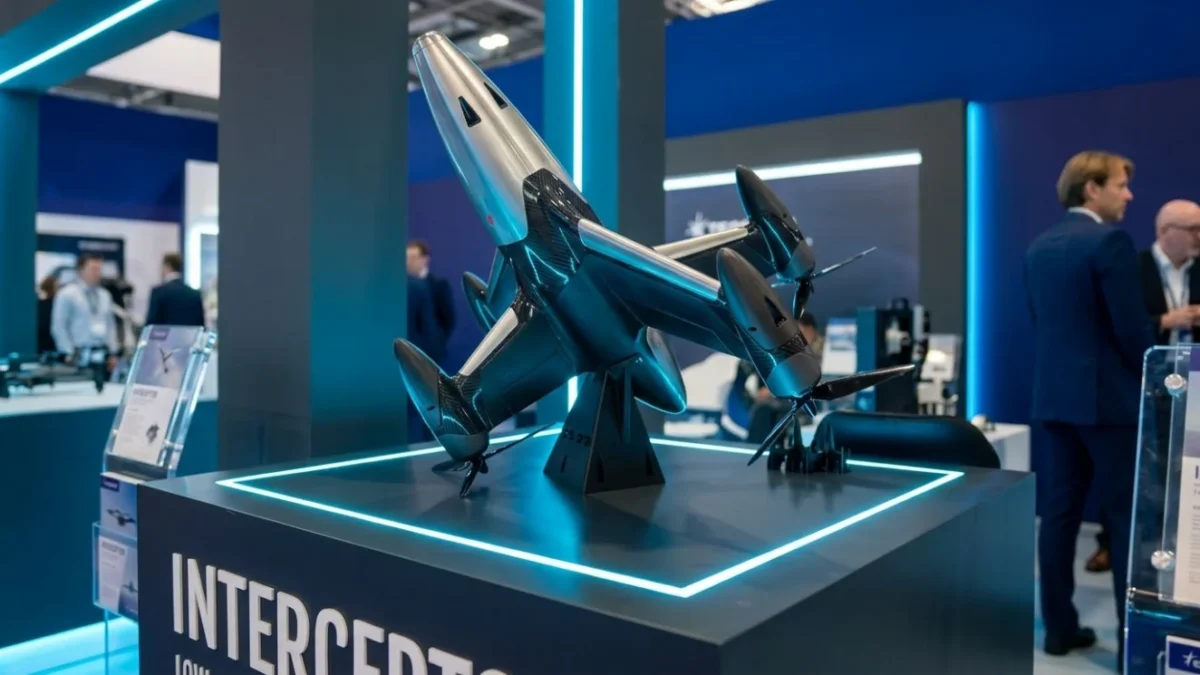
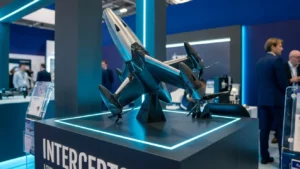
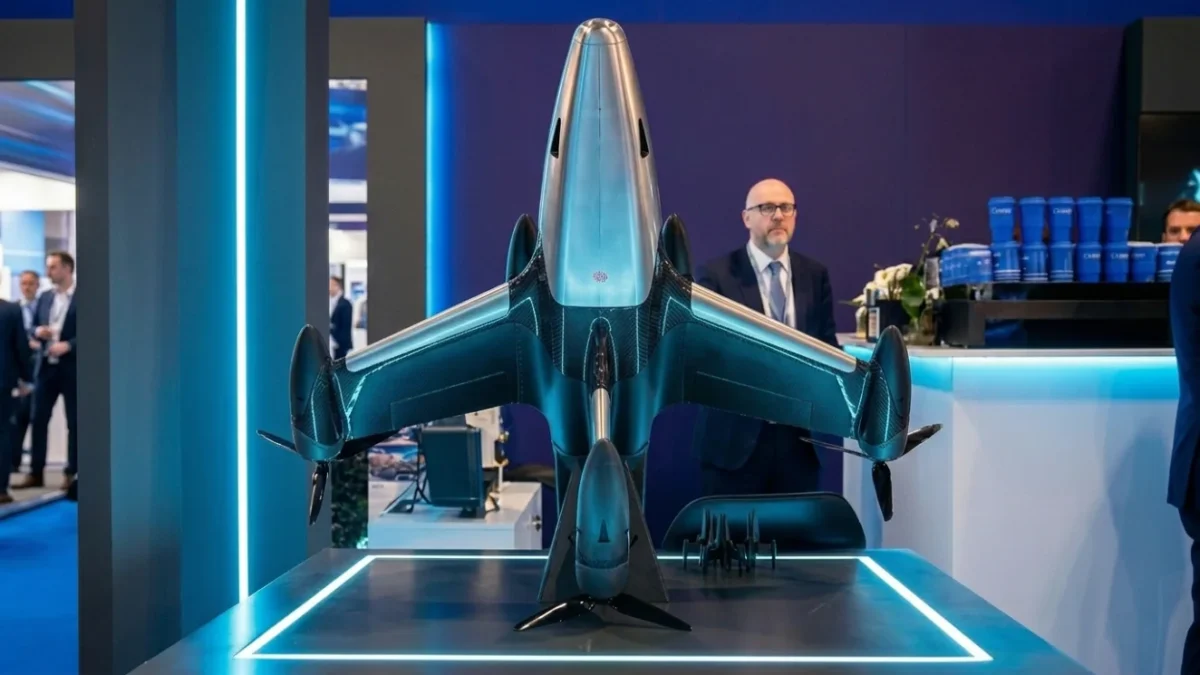
Defense Feeds, Paris – The Interceptor MR counter drone system is emerging as a new solution for armed forces seeking effective defenses against increasingly sophisticated unmanned aerial threats.
Unveiled at Eurosatory 2026, the latest capability from Australian defense company Electro Optic Systems (EOS) is designed to intercept and destroy Shahed-type drones at ranges exceeding five kilometers, offering military operators a new layer of protection against one of the most widely used categories of loitering munitions in modern conflicts.
The development comes as militaries worldwide race to strengthen air defense networks against drones that have proven capable of penetrating conventional defenses and striking critical infrastructure, military bases and frontline units.
The rise of one-way attack drones has transformed modern warfare over the past several years. Systems such as the Iranian-designed Shahed family have demonstrated the ability to strike targets at relatively low cost while forcing defenders to expend expensive air defense missiles in response.
This challenge has driven growing demand for specialized counter-drone technologies capable of engaging unmanned threats efficiently and economically. The Interceptor MR counter drone system was developed specifically to fill this operational gap by providing a dedicated solution for defeating medium-range aerial threats before they reach protected assets.
According to EOS, the system extends the company’s existing counter-unmanned aircraft portfolio and provides a capability designed to intercept drones at greater distances than many traditional short-range counter-UAS systems. By increasing engagement range, military operators gain additional reaction time and improve the probability of neutralizing threats before they can complete their missions.
The unveiling at Eurosatory highlights how counter-drone systems have become one of the fastest-growing sectors within the global defense industry as armed forces adapt to lessons learned from conflicts in Ukraine, the Middle East and other regions.
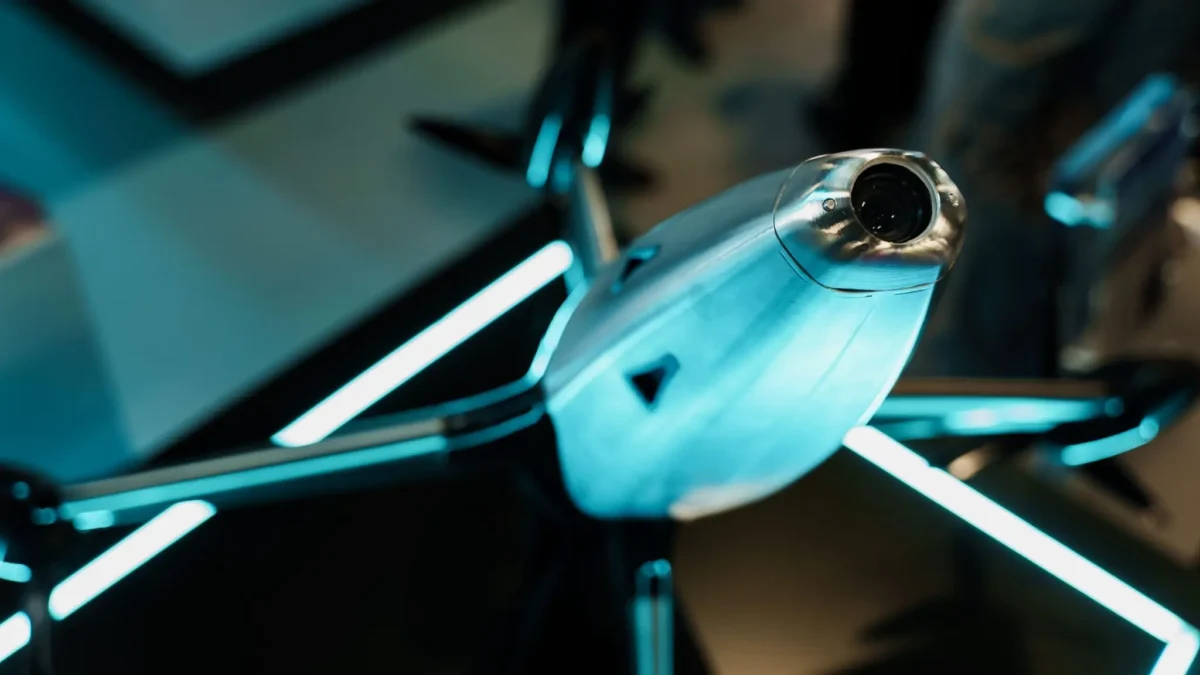
One of the defining features of the Interceptor MR is its ability to engage targets beyond five kilometers. This extended reach is particularly relevant against Shahed-type drones, which are typically employed in saturation attacks intended to overwhelm air defense networks.
Such drones often fly at relatively low altitudes and can approach targets from multiple directions simultaneously. Defending against these attacks requires systems capable of detecting, tracking and intercepting threats before they reach critical infrastructure or military positions.
EOS designed the interceptor to provide a dedicated kinetic response against these aerial threats. Unlike electronic warfare systems that attempt to disrupt drone communications or navigation signals, kinetic interceptors physically destroy targets, ensuring they can no longer continue their attack.
The growing popularity of this approach reflects operational realities observed on recent battlefields. Many attack drones now feature autonomous navigation systems that reduce vulnerability to jamming, increasing the importance of hard-kill defensive measures.
The Interceptor MR is intended to operate as part of a layered air defense architecture, complementing radar systems, electronic warfare assets and larger missile-based air defense networks.
The Interceptor MR counter drone system illustrates how military planners are adapting to a rapidly changing aerial threat environment. Drones are no longer limited to reconnaissance missions. Today, they are routinely used for strike operations, target acquisition and battlefield surveillance, making them a persistent challenge for military forces.
As drone technology becomes more affordable and widely available, the number of potential operators continues to expand. This trend has increased pressure on governments and defense companies to develop cost-effective methods of defending against large numbers of unmanned systems.
The Interceptor MR addresses a key requirement within that evolving environment: defeating drones at sufficient distance while avoiding the use of high-cost surface-to-air missiles that may be better reserved for larger aircraft or missile threats.
The system’s debut also reflects a broader transformation in air defense doctrine. Modern military planners increasingly emphasize layered protection where multiple systems work together to detect, track and engage threats at different ranges and altitudes.
As conflicts continue to demonstrate the effectiveness of one-way attack drones, demand for specialized counter-UAS solutions is expected to grow significantly. The introduction of the Interceptor MR provides EOS with a new capability tailored to that requirement, while offering military operators an additional tool to defend against the expanding threat posed by Shahed-type drones and other long-range unmanned aerial systems.