Follow Us:
Follow Us:

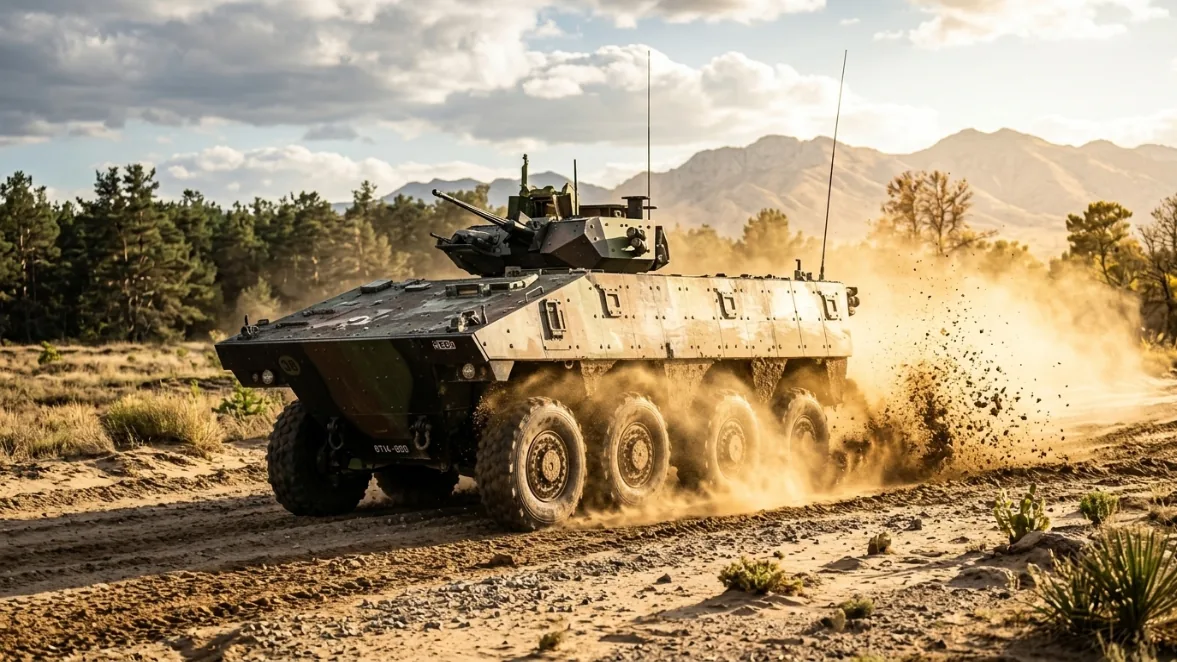
Defense Feeds, Paris – The VBCI 8×8 infantry fighting vehicle is receiving a new generation of battlefield protection upgrades as the French Army adapts its armored forces to the growing threat posed by drones and loitering munitions.
Displayed at Eurosatory 2026, the latest version of the combat vehicle demonstrates how lessons learned from recent conflicts are reshaping armored warfare and forcing military planners to rethink vehicle survivability on the modern battlefield.
The upgraded platform reflects a broader trend among NATO armies, which are increasingly seeking practical solutions to counter the widespread use of reconnaissance drones, first-person-view attack drones and precision-guided loitering weapons that have transformed combat operations in Ukraine and other conflict zones.
The latest configuration of the VBCI highlights several adaptations aimed at improving crew protection against aerial threats. While infantry fighting vehicles have traditionally been designed to withstand attacks from artillery fragments, mines and direct-fire weapons, recent battlefield experience has revealed vulnerabilities to low-cost drones capable of striking exposed areas from above.
To address these challenges, the French Army has incorporated additional protective structures and anti-drone adaptations onto the vehicle. These modifications are designed to reduce the effectiveness of drone-delivered munitions and improve the survivability of both the vehicle and its crew during combat operations.
The appearance of these enhancements reflects how military organizations are rapidly adapting existing armored platforms rather than waiting for entirely new vehicle designs. Modern armies increasingly recognize that the drone threat is no longer limited to advanced militaries. Commercially available technologies have enabled even relatively small forces to deploy aerial systems capable of identifying and attacking armored targets.
The VBCI remains one of the French Army’s principal infantry fighting vehicles, providing mobility, protection and firepower for mechanized units. As a result, ensuring its effectiveness in future conflicts has become a key modernization priority.
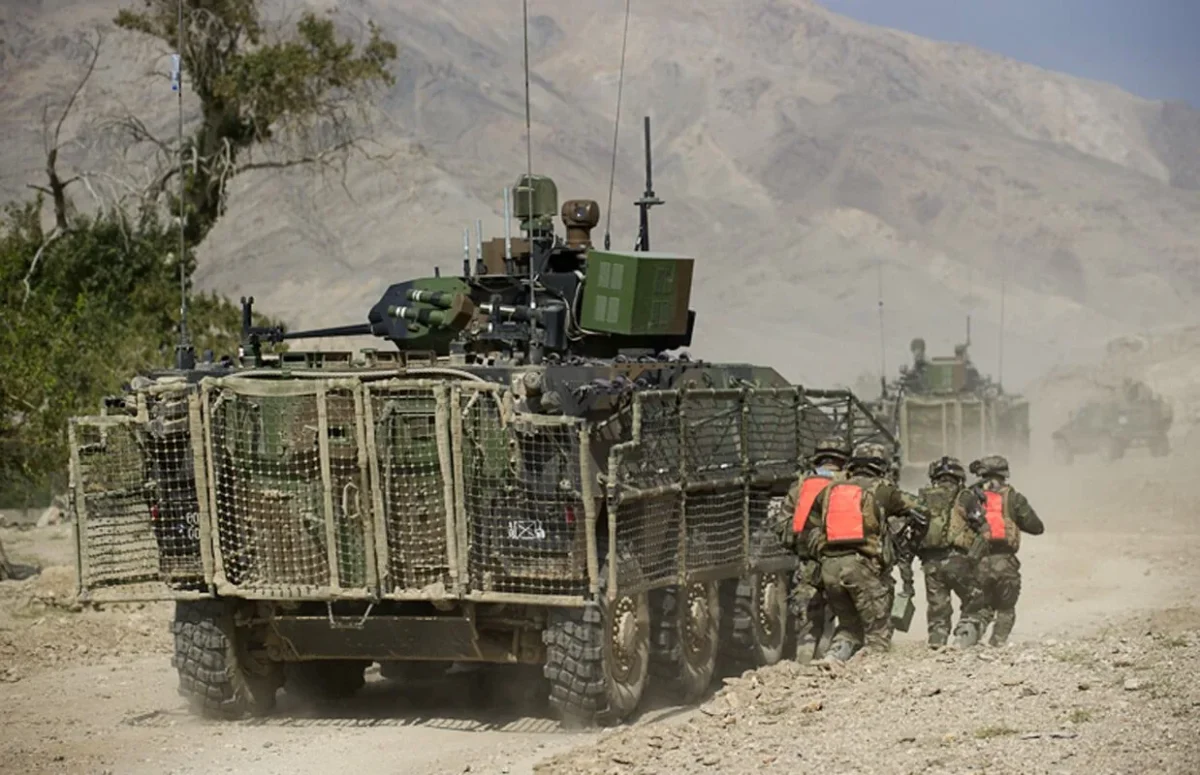
Recent wars have demonstrated that armored vehicles operating without adequate protection against drones face growing risks. Small unmanned aircraft can locate troop movements, direct artillery fire and deliver explosive payloads with increasing precision.
This changing threat environment has led military planners across Europe to prioritize counter-drone measures alongside traditional armor protection. The latest VBCI adaptations illustrate how armored warfare is evolving in response to these operational realities.
The vehicle’s upgraded configuration complements broader efforts by the French military to strengthen electronic warfare capabilities, air defense systems and battlefield surveillance networks. Rather than relying on a single solution, modern armies increasingly employ a layered defense approach designed to detect, disrupt and defeat unmanned aerial threats before they can engage targets.
The growing emphasis on counter-drone protection is particularly important for mechanized formations expected to operate in highly contested environments. Armored vehicles remain essential for transporting troops and supporting offensive operations, but they must now contend with threats emerging from above as well as from the ground.
For military commanders, improving vehicle survivability directly contributes to maintaining operational momentum and reducing losses during prolonged combat operations.
The VBCI 8×8 infantry fighting vehicle upgrades reveal a broader shift in military thinking regarding the future of armored combat. For decades, vehicle survivability largely focused on resisting direct attacks from tanks, anti-tank guided missiles and artillery. Today’s battlefield presents a far more complex challenge.
Drones have introduced a persistent surveillance and strike capability that can expose armored units long before they reach the front line. As a result, armed forces are investing heavily in technologies and design changes intended to reduce vulnerability to aerial threats.
France’s approach demonstrates how existing platforms can be adapted to remain relevant without requiring immediate replacement. This strategy allows militaries to improve combat effectiveness more rapidly while controlling procurement costs.
The modernization effort also highlights the importance of continuously incorporating battlefield lessons into defense planning. The rapid evolution of drone technology means armored vehicles must adapt just as quickly if they are to remain effective in future conflicts.
As European militaries continue assessing the impact of recent wars, the upgraded VBCI offers a glimpse into the future of armored warfare. By combining traditional protection with new counter-drone measures, the French Army is seeking to ensure that its mechanized forces remain capable of operating effectively in an era where unmanned systems increasingly shape the outcome of battles.