Follow Us:

Follow Us:

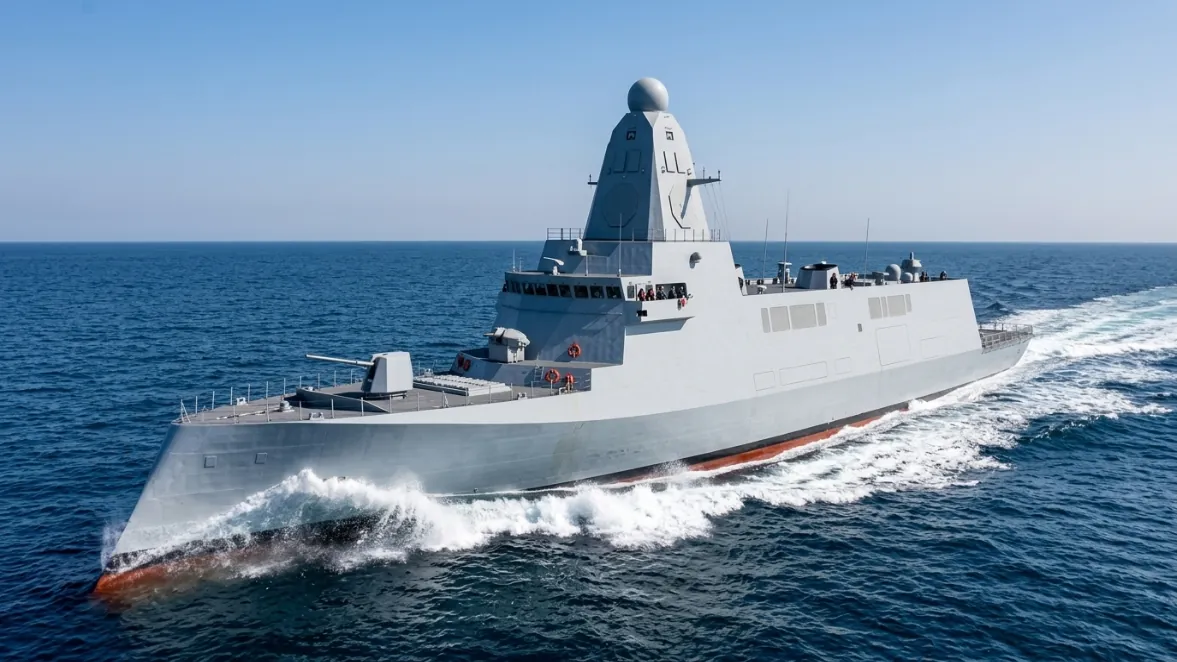
Defense Feeds, Seoul – The South Korea KDDX destroyer program has entered a significant new phase after Hanwha Ocean was selected to lead the detailed design and construction of the first vessel in a planned fleet of six next-generation destroyers for the Republic of Korea Navy.
The project is regarded as one of South Korea’s most important naval modernization efforts and is expected to strengthen the country’s ability to defend its maritime interests while reducing dependence on foreign combat system technologies. The program, valued at approximately 7.8 trillion won, aims to deliver a new class of advanced surface combatants equipped with domestically developed sensors, weapons and command systems.
The latest decision marks a major milestone for the long-running KDDX project, which has experienced delays amid competition between major Korean shipbuilders. Hanwha Ocean emerged as the preferred contractor for the detailed design phase and lead ship construction, allowing the program to move closer to full-scale implementation.
The KDDX initiative calls for the construction of six destroyers designed to replace older warships that are expected to retire over the coming years. Once operational, the vessels will serve as a critical component of South Korea’s surface fleet, bridging the gap between existing destroyer classes while introducing a new generation of indigenous naval technology.
Beyond fleet replacement, the project represents an important step in South Korea’s broader effort to strengthen its domestic defense industry. The government has increasingly emphasized self-reliance in key military technologies, particularly in areas involving naval warfare, missile defense and advanced sensors.
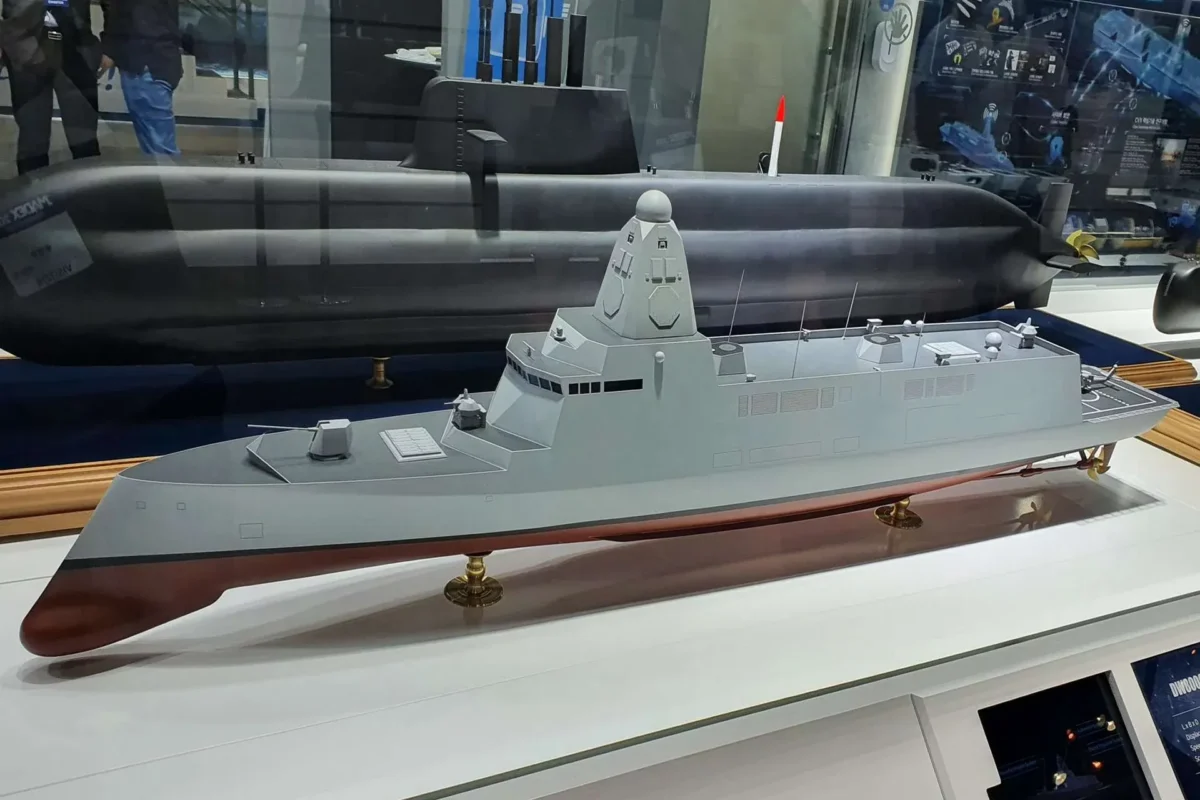
The future KDDX destroyers are expected to displace between 6,000 and 6,500 tons and incorporate stealth-oriented design features intended to reduce radar visibility. The ships will provide a versatile platform capable of conducting air defense, anti-submarine warfare and surface combat missions.
A major feature of the program is the extensive use of indigenous technologies. Unlike earlier generations of warships that relied heavily on foreign systems, the KDDX class will integrate domestically developed combat management systems, radar technologies and missile-launching capabilities. This approach supports South Korea’s long-term objective of building a fully sovereign naval combat capability.
Defense planners also view the destroyers as an important element in countering evolving regional threats. Modern naval operations increasingly require ships capable of detecting multiple targets simultaneously, coordinating with other military assets and responding rapidly to missile and submarine threats. The KDDX design seeks to address those requirements through advanced sensors and integrated combat systems.
The vessels are often described as a Korean equivalent of a “mini-Aegis” destroyer because of their sophisticated air-defense capabilities and multi-mission role within the fleet.
The South Korea KDDX destroyer program arrives at a time when naval competition is intensifying across the Indo-Pacific region. Countries throughout Northeast Asia continue investing heavily in advanced surface combatants, submarines and long-range missile systems to protect maritime trade routes and strengthen deterrence.
For Seoul, maintaining a technologically advanced navy is particularly important given the country’s dependence on sea-based commerce and its complex regional security environment. The addition of six next-generation destroyers will enhance the Republic of Korea Navy’s ability to operate independently while supporting allied operations when required.
The project may also have implications beyond domestic defense. South Korean shipbuilders have become increasingly active in international naval competitions, offering frigates, destroyers and submarines to overseas customers. Successfully delivering the KDDX fleet could strengthen the country’s reputation as a supplier of advanced warships and increase export opportunities in the global defense market.
As development progresses, the KDDX program is expected to become a cornerstone of South Korea’s naval modernization strategy. By combining indigenous technologies, advanced combat capabilities and modern shipbuilding expertise, the project aims to ensure that the Republic of Korea Navy remains prepared for future maritime challenges while reinforcing the country’s position as a leading naval power in the region.