Follow Us:
Follow Us:

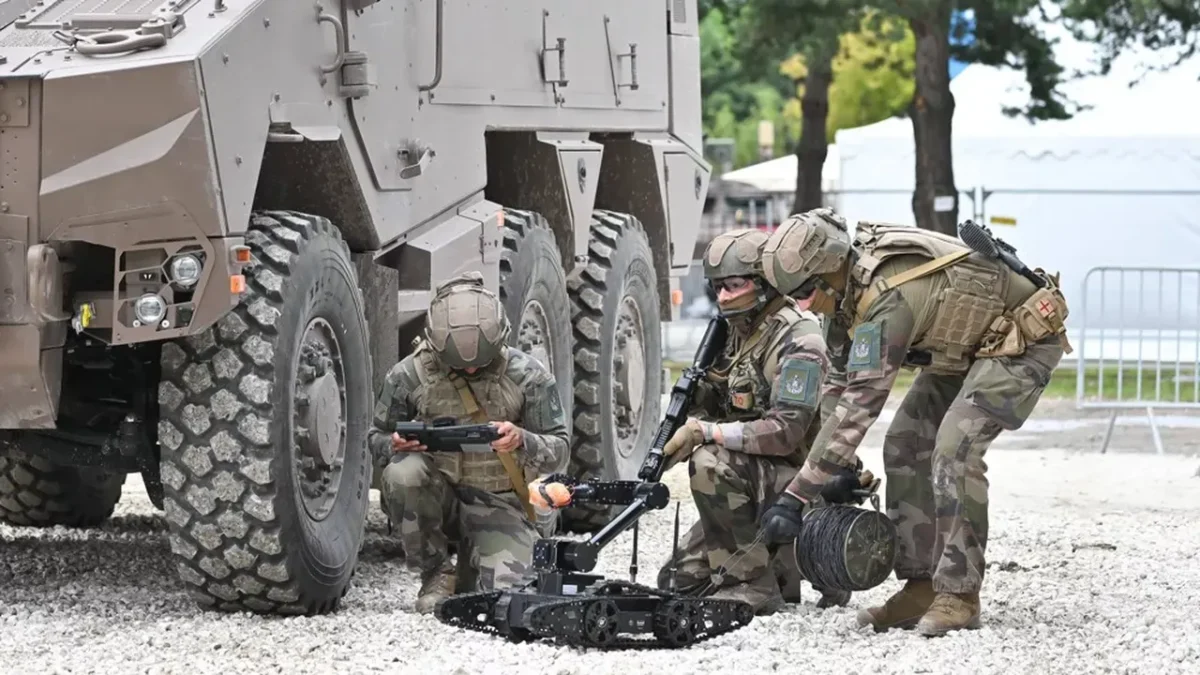
Defense Feeds, Paris – The Eurosatory LAB battlefield technologies initiative is emerging as one of the most closely watched features of Eurosatory 2026, reflecting how defense innovation is increasingly shaping military modernization efforts around the world.
As armed forces adapt to a rapidly evolving security environment defined by drones, electronic warfare and data-driven operations, the exhibition’s innovation hub is expected to showcase technologies that could influence the future battlefield for years to come.
Held alongside the Eurosatory 2026 defense exhibition in Paris from June 15 to 19, the expanded LAB program will bring together nearly 60 startups and emerging technology firms from more than 15 countries. Their solutions focus on some of the most pressing operational challenges facing modern militaries, including countering unmanned aerial threats, maintaining communications under electronic attack and accelerating battlefield decision-making.
The growing importance of the Eurosatory LAB battlefield technologies program reflects a broader shift occurring across the defense sector. While traditional platforms such as tanks, artillery systems and combat aircraft remain central to military power, armed forces are increasingly investing in technologies that improve situational awareness, data processing and operational agility.
Recent conflicts have demonstrated the impact of low-cost drones, electronic warfare systems and real-time intelligence gathering. Military commanders now require tools capable of detecting threats faster, sharing information across multiple domains and maintaining operational effectiveness even when communication networks are disrupted.
Eurosatory LAB aims to bridge the gap between operational requirements and technological innovation. The dedicated exhibition space serves as a meeting point for startups, defense companies, military officials and government decision-makers seeking practical solutions for future battlefield challenges.
The initiative also highlights how smaller technology firms are becoming increasingly influential within the defense ecosystem. Many of these companies originate from commercial technology sectors and adapt their innovations for military applications, allowing armed forces to benefit from faster development cycles and emerging technologies.
As military organizations seek to maintain an edge over increasingly sophisticated adversaries, innovation hubs such as Eurosatory LAB are becoming essential platforms for identifying technologies with operational potential.
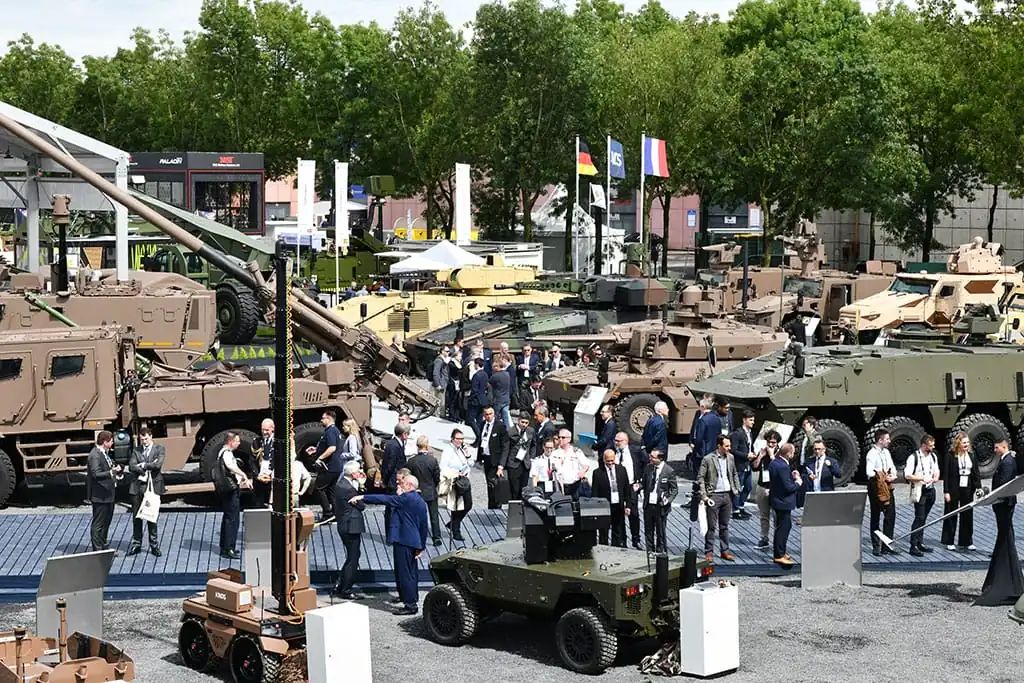
Among the technologies expected to draw significant attention are artificial intelligence-driven systems designed to enhance battlefield awareness and threat detection. Developers will present solutions capable of analyzing data from multiple sensors simultaneously, helping operators identify and track targets more efficiently.
Counter-drone technology remains another major focus area. The widespread use of unmanned systems in modern conflicts has highlighted the need for affordable and effective defenses against aerial threats. Several companies participating in the event are expected to showcase drone detection systems, autonomous interception technologies and integrated sensor networks designed to neutralize hostile unmanned aircraft before they can complete their missions.
Electronic warfare resilience has also become a critical requirement. GPS jamming and communications disruption have become common features of contemporary conflicts, forcing militaries to seek alternative navigation and networking solutions. Technologies featured at Eurosatory LAB include resilient positioning systems, secure optical communications and advanced networking capabilities capable of maintaining connectivity in contested electromagnetic environments.
Another area attracting growing interest is autonomous navigation for unmanned aerial, ground and maritime systems. These technologies allow platforms to continue operating even when traditional navigation signals become unavailable or unreliable. Such capabilities are increasingly important as armed forces prepare for future operations against technologically advanced opponents.
The event will also showcase developments in night vision technology, advanced sensors and space-based intelligence capabilities. These innovations are designed to improve operational awareness and support commanders in making faster and more informed decisions during combat operations.
The technologies featured within the Eurosatory LAB battlefield technologies program demonstrate how military capability is increasingly determined by software, data and connectivity rather than solely by physical platforms.
Across NATO and partner nations, defense planners are emphasizing multi-domain operations, where forces must coordinate activities across land, air, sea, space and cyberspace simultaneously. Achieving that level of integration requires advanced sensors, secure communications networks and artificial intelligence tools capable of processing large volumes of information in real time.
The presence of companies working on satellite-based sensing and hyperspectral imaging also illustrates the growing relationship between space technology and military operations. Access to accurate intelligence from space-based platforms can significantly enhance battlefield awareness and provide commanders with a clearer picture of enemy activity.
Beyond the technologies themselves, Eurosatory LAB reflects a changing model of defense innovation. Rather than relying exclusively on large defense contractors, governments are increasingly turning to startups and smaller technology firms to accelerate capability development. This approach allows militaries to adapt more quickly to emerging threats while benefiting from commercial-sector innovation.
The strategic value of these technologies extends beyond individual military programs. Nations that successfully integrate artificial intelligence, resilient communications and autonomous systems into their force structures may gain significant advantages in future conflicts where speed of decision-making and information superiority could prove decisive.
As Eurosatory 2026 prepares to welcome defense leaders, military officials and industry representatives from around the world, the innovation hub is expected to provide a glimpse into how future armed forces will operate.
While traditional combat platforms will remain vital components of military power, the technologies showcased within Eurosatory LAB suggest that the next phase of military transformation will be driven increasingly by data, autonomy, connectivity and intelligent systems capable of functioning in the most challenging operational environments.