Follow Us:

Follow Us:

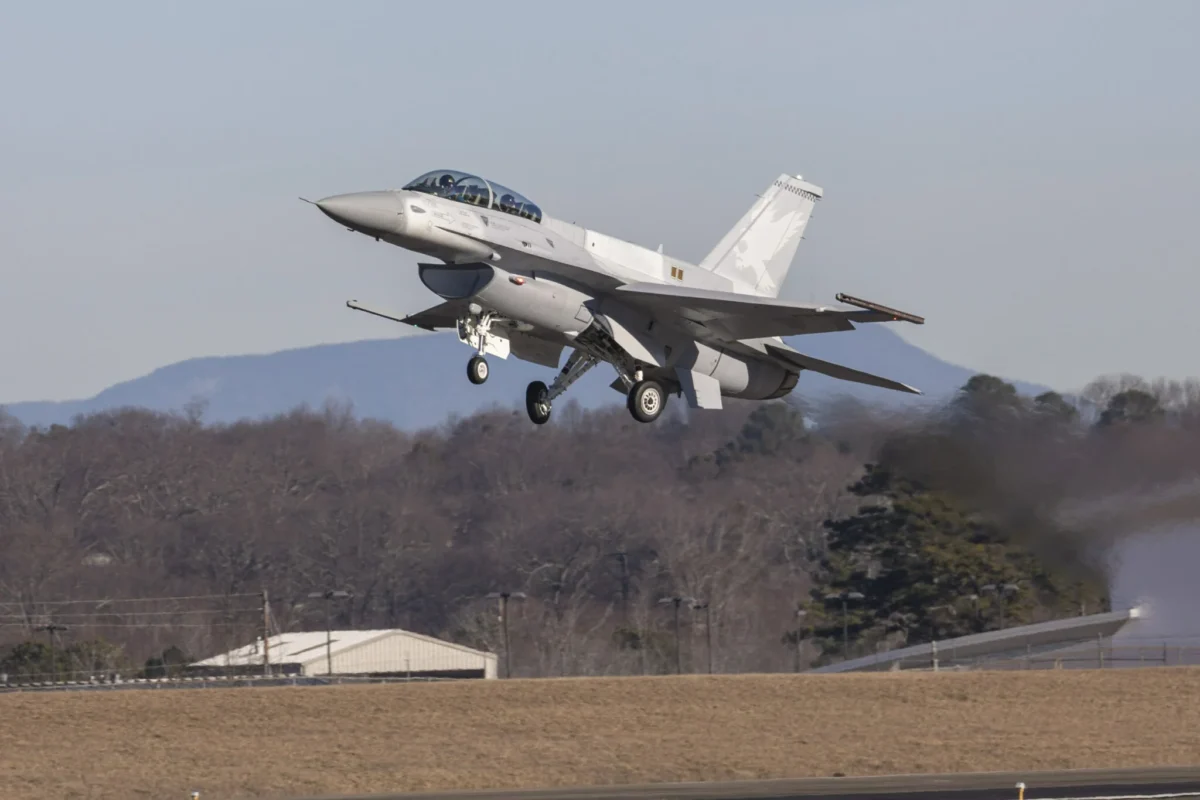
Defense Feeds – Lockheed Expands F-16 Block 70 Program with a broader industrial alliance in the Philippines, reinforcing its bid for the nation’s Multi-Role Fighter (MRF) project.
The initiative aims not only to deliver the latest generation of the iconic jet but also to strengthen the Philippines’ manufacturing, defense, and technological expertise through collaboration with academic institutions and local industry leaders.
At the heart of the plan is a newly formed collaboration with Southern Methodist University (SMU) in the United States.
Through SMU’s Center for Digital and Human-Augmented Manufacturing and its Deason Innovation Gym, Lockheed Martin will help expand the Philippines’ expertise in emerging technologies like digital engineering, simulation platforms, augmented and virtual reality, robotics, automation, and artificial intelligence.
This partnership will support technology transfers directly to universities and local industries, helping shape a Filipino research and development ecosystem poised for long-term growth.
Funding from the program is set to promote start-up incubation, support government programs, and advance academic initiatives.
Additionally, a modern research center and training hub will be built in the Philippines to enable prototyping, innovation activities, and the creation of intellectual property, ultimately enhancing local workforce skills and supporting the country’s Self-Reliant Defense Posture (SRDP).
Jess Koloini, Lockheed Martin’s F-16 Business Development lead, stressed that the company’s vision goes beyond supplying advanced jets.
“We intend to invest in new capabilities and develop intellectual property with top local universities and corporations.
This cooperation is designed to enhance the Philippines’ global competitiveness in industrial and digital innovation,” he said.
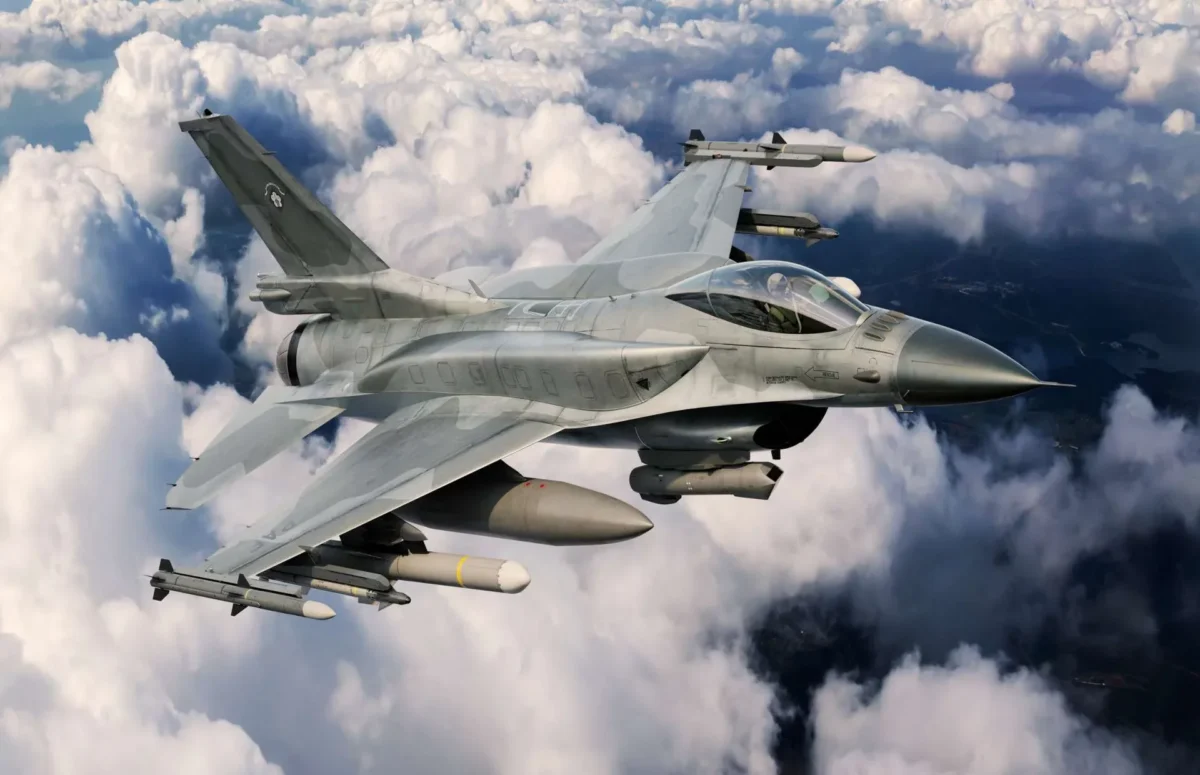
The F-16 Block 70 is the latest upgrade of the renowned F-16 Fighting Falcon, known globally for its versatility and combat reliability.
This version includes several high-tech improvements that enhance mission performance.
Among them is the Northrop Grumman APG-83 AESA radar, which provides superior target tracking and high-resolution digital mapping functions, including slew and zoom features for better situational awareness.
Cockpit enhancements include a high-resolution Center Pedestal Display capable of showing tactical imagery, real-time flight data, and air-to-air engagement details in a single view.
The aircraft is fitted with the Sniper Advanced Targeting Pod, recognized for delivering precise laser targeting and detailed surveillance imagery, and the Legion-ES Infrared Search and Track system, which can detect and follow airborne threats silently without revealing the aircraft’s position.
The structural design of the F-16 Block 70 elevates the aircraft’s durability to a new level, capable of enduring up to 12,000 flight hours.
This represents a remarkable increase—over half again as long as the lifespan of earlier F-16 models.
To put it in perspective, this is like transforming a classic sports car into a high-performance endurance racer, ready to go the extra mile without frequent pit stops.
Such longevity means the Block 70 is built for decades of rigorous use, allowing air forces to rely on its sustained combat readiness with reduced maintenance interruptions and greater operational availability.
Flight range is extended by conformal fuel tanks and a more powerful engine, enabling greater endurance without hurting aerodynamic performance.
Safety is also enhanced with systems such as Automatic Ground Collision Avoidance System (Auto GCAS), credited with saving numerous pilots and aircraft from potential accidents.
This agreement isn’t just about supplying military aircraft—it is a broader strategy to modernize the Philippines’ defense sector while stimulating high-tech economic growth.
By setting up research facilities and training centers within the country, the program fosters local manufacturing capabilities, upskills the workforce, and encourages innovation in alignment with national security goals.
Dr. Ben Zoghi, serving as SMU’s Associate Dean for Advanced Studies and Industry Partnerships, emphasized how the initiative could ripple far beyond its immediate goals, shaping innovation, industry, and economic opportunity well into the future.
“This collaboration empowers the Philippines to adopt digital innovation technologies, driving both economic development and global competitiveness,” he said.
Lockheed Martin’s relationship with the Philippines spans almost six decades, and this latest expansion strengthens those foundations, reflecting shared goals for a well-equipped, economically sustainable, and modern defense framework.
Ultimately, the Lockheed Expands F-16 Block 70 Program initiative marks far more than a simple jet purchase—it is a comprehensive industrial and technological partnership.
By combining advanced fighter capabilities with education, research, and industry support, the Philippines stands to benefit from increased sovereignty, a stronger defense posture, and a thriving innovation ecosystem in the years ahead